
How You Can Get a House on Rent to Own

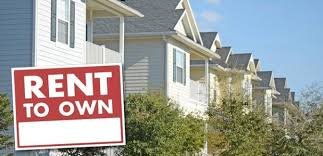
Before the financial crisis of 2008, there was what was called the rent-to-own model. The way this worked was that buyers would be able to purchase the house or condominium that they are renting from a particular landlord. This was normally only offered by private homeowners.

After the crisis occurred this option became much more available and even 10 in large real estate investment firms would begin buying up foreclosed homes and setting them up on a rent-to-own program on a much larger scale.

It was during this era that the rent-to-own model became much more popular the way it works is that tenants can have a part of their monthly rent payment accrue toward down payment double eventually allow them to buy the home that they're renting. you have likely seen many advertisements for rent-to-own I just become much more popular in the last few years this article will explain in-depth how it works.

A rent-to-own option may be a good fit for you if you're in a situation where you currently are renting or want to rent but eventually do want to purchase a home down the road these even work with Condominiums. If your credit is not very good and it requires some time for you to build it back up this could also be a great option for you as well.

Most rent-to-own options are set up within a 3-year period. that means that the tenant signs a rental agreement or lease with the option to purchase the condominium or house within 3-years.  The lease is set up so that the renter’s payments they make every month will include an additional payment dinner cruise and goes towards a down payment I'm purchasing the home. how much the rental payments are and how much a cruise towards the down payment as well as the overall monthly payment and the purchase price of the home will all be included in the lease contract on a rent-to-own situation. 

It's imperative that you can get pre-approved for the mortgage at the purchase price of the home stated in the contract before you sign a rent-to-own lease with your landlord. Rent-to-own may not be a good option for you if you're unable to get approved for the loan on the balance of the home after the down payment has accrued.  Unfortunately, it's possible that your rent price could cause your monthly fees to increase as the amount needed for the rent payment.

If your rental payment every month is $1,450 and 250 of that is going towards the down payment with a purchase price of $250,000 in a 3-year period, you would have built up $9,000 toward the down payment which would only be 3.6% of the purchase price.

Now if you didn't save any other money for that three-year run your option might be a 3.5% FHA loan as long as you had the pre-approval in the beginning so that you can afford the entire purchase.

If you're unable to get pre-approved and therefore unable to purchase the house you could always ask the seller if you could rent for cheaper without the rent-to-own option. Often this is available but you would have to do it on a case-by-case basis with the landlord any option we just did above it would make you rent $1,200 a month.


There is simply no industry standard we're putting together a rent-to-own contract or rent-to-own leases so it is very important that you have an attorney look at your rent-to-own contract or lease before you sign it. It's very important to make clear who will be holding the down payment money and any specific state or tax liabilities that could be yours.

This is an ideal option if you're not in need of moving and you're convinced this is the home that you want to own. It makes the rent-to-own option an all-in-one purchase. However should you need to move because of work, career, or some other situation then that type of option likely will not work for you

From the landlord's perspective, a rent-to-own offer allows people who maybe don't have the money upfront for a downpayment to still have the opportunity to purchase your home. you may be in an area that's more rent-oriented or a lot of the people in the area simply don't have the credit available and they need time to build up that down payment so that they can purchase the home. It also allows renters a chance to slowly build up their credit while they're paying their down payment at the same time. it's very important as a seller to make sure that the buyers have high enough credit to qualify for the loan when it is time to buy.

As a seller, it is imperative that you have a lawyer create the contract release for you to make sure that all your bases are covered and then all the important details are there for any kind of a rent-to-own situation.

Here is an article for buyers on whether you should rent or sell your home https://www.homelight.com/blog/should-i-rent-or-sell-my-house/

Some of the main benefits to the seller in a rent-to-own type situation are you can lock in the sale price of your home now and you won't have to be concerned when it with any sort of Market fluctuations that may happen in the future. Also, any tenant that is in a rent-to-own situation is likely to treat the house much better because they know they're eventually going to own this home or condominium.

A large downside to the rent-to-own option is that you may end up with a  buyer or need to sell at a date sooner than what the lease allows and you would also be locked into the terms with your rent-to-own tenant. It is possible that you can make this negotiable but it would need to be put into the contract to allow you some flexibility.

There is a difference between institutional landlords and individual landlords. Private sellers or individual sellers who have a rent-to-own option normally have leases that run for three years. Real estate investment companies or institutional owners often have 2-year lease contracts which may be extended for up to four more years after the initial lease term. This helps to allow more flexibility for both the buyer and the seller.

there's much more scrutiny involved and institutional rent to own outfits because they're usually publicly traded and often the contractor much more stringent because they involve consumer protection. The contracts are extremely transparent about the Rules of Engagement where the money is being held and how many disputes will be resolved.

If you need credit help one of the large rent-to-own companies may be the way to go they normally offer consumer help with credit counseling and repair and in some cases this even a requirement before they will sign a rent-to-own agreement. However, if you have great credit you'll likely want to avoid this large situation and stick with individual private sellers.

The rent-to-own option has really come into its own in the last 5 years and it is an absolutely Stellar option in today's struggling economy. it allows people with less than perfect credit the ability to get their credit rebuilt, build up the money for the down payment over time, and still end up becoming a homeowner which for most people is the largest single purchase they will ever make in their lives.

It's not hard to find rent-to-own leases and situations in your area. However, we cannot stress strongly enough that you must have a lawyer look over any agreement before you sign and make sure that you can get yourself pre-approved for what the house will cost when the down payment amount has been reached. It is vitally important that you do both of those things if you don't the rent-to-own option could be an absolute disaster for you.

If you already have good credit and you want to give the rent-to-own option to try your very best bet you going to be with the individual private owner situation. Make sure that the contract spells out who will be holding the money that builds up for the down payment, an exact selling price of the house, an exact date that this will occur.

Any contract that does not contain this valuable information you should not sign, simply turn around and walk away. Again that's why it's very important that you have an attorney who's first in real estate and contract law to look over the lease agreement to make sure that you understand all of these key points and understand how much flexibility you have and how much flexibility the owner has in the contract if any. you don't want to get halfway through building up the amount for the down payment only to have them sell the house out from underneath you.
Here is a great article on how to find rent to own homes in your area https://www.homelight.com/blog/buyer-how-to-find-rent-to-own-homes/


Author Bio

Will Foster | First State Bank Mortgage Senior Loan Officer

I became a mortgage lender in 2010, right after the "bubble" popped, and the mortgage industry underwent an incredible transformation. This has given me a unique advantage in the fact that I have never known anything other than the highly-regulated world we now live in.

Throughout my years of experience, my primary goal has been to keep up with the constant changes in the industry so I can help my clients investigate all of their options and maximize savings. In addition, because I specialize in Conventional, FHA, USDA, Jumbo, portfolio, and VA refinances and purchases, I can help a wider variety of individuals, families, and investors identify and secure the right loan to best suit their future interests.

The mortgage process can be a little confusing and even overwhelming these days with all of the regulations.  I guide my clients through the process from start to finish, and I try and make it as painless and hassle-free as possible.

Will Foster
What Do You Need to Qualify For a Mortgage?

Before the housing crisis of 2008, banks were seemingly giving mortgage loans to anyone who applied. Since the crash of 2008 however, the requirements to get a mortgage have become much more stringent and black and white. Though the specifics of each area may ebb and flow some with the state of the economy, by and large, the requirements remain pretty much the same.

The key areas lenders will look at when deciding on whether to give you a mortgage loan are the following:

  • Your Credit Score

  • Your Recent Employment History

  • Your Overall Income

  • Your Debt to Income Ratio

  • And The Down Payment

Your Credit Score

Your credit score is a 3 digit number given to you by the 3 big credit bureaus; Equifax, Experian, and TransUnion. It ranges from 800 to 300 and represents your credit risk to potential lenders. In other words the higher your score the more likely you are to pay your bills and the less of a risk you are to lenders. The lower your score, the less likely you are to pay your future bills and the higher risk you are.

This number is based on your past payment history (whether you were late or on time, how much you still owe etc) to creditors who have reported your history to one or all of these 3 credit bureaus. Obviously the higher your score the better it looks to the potential mortgage lender.

If you don’t know your credit score, click on the link below and the very quick step by step article will help you ascertain your credit score. https://www.moneyunder30.com/credit-score-estimato

Your Recent Employment History

Lenders also take a look at your employment history. What they are wanting to see is if you have long periods with the same employer, or do you seem to jump from job to job without staying at one place very long. If so, are there gaps between jobs where there appears you have no income? What they are wanting to see is stability, 

Ideally, they want to see someone who has a long term career. Someone who has been with the same company for many years and has a solid profession. What they don’t want to see is someone who jumps from job to job with no clear profession and has gaps between jobs with what appears to be no income.

Your Overall Income

This should be considered separate from your employment history for the simple fact that even if you have a low credit score and a not so solid employment history if you (somehow) have a very high income and can prove it, you may still very likely be able to get a mortgage. That would depend on the individual lender but the bottom line is if you have a very high income and have had it for a long period of time, that makes you less of a risk to loan to you and you could still get a mortgage even if the other issues are not so great.

Your Debt to Income Ratio

Your debt to income ratio is figured on a monthly basis and it compares how much your total payments are for things like rent, car payment, credit card bills, and other debt to your total monthly income. For a quick, easy way to figure out your debt-to-income ratio, just click on the link below and just plug your numbers into the simple tutorial and it will calculate your debt-to-income ratio for you.

https://www.wellsfargo.com/goals-credit/debt-to-income-calculator/

Obviously, the less debt you have in comparison to your income, the better you look to potential lenders in this area. This ratio is expressed in a percentage and is created by dividing your gross monthly debt by your monthly gross income. Generally speaking, the lower that number is, the better your financial health and the less of a risk you are to lenders. In most cases, lenders like to see less than 36%, with less than 28% being taken up by a mortgage payment.

If your number is too high and you have the capability if you can pay off some things like credit cards, get lower insurance, pay off the car loan, and other issues related directly to your debt, you could lower your score pretty quickly.

That’s why it would be a good idea to use the calculator link above to see where you stand right now. That way, if your debt to income ratio is, in fact too high, you can make positive changes now before you go to present yourself to a potential lender.

The Down Payment

When it comes to the down payment, the more you can put down the better. The least amount most lenders will accept is 3%, but that is only on very special loans that have other important requirements. 

Twenty percent is a more accepted norm that most commercial lenders want to see. If you're unsure how much you will need for a particular mortgage, just click on the link below and plug in the numbers required, and it will figure out how much the down payment would be in dollars and cents at any percentage you plug-in.

https://www.calculator.net/down-payment-calculator.html

It would be a good idea to use the calculator at the link above because if you don’t have enough cash available to make an acceptable down payment, you can then do one of two things; look to friends and family for help in raising the money required for the down payment or perhaps look for a less expensive house that would not require so much out of pocket cash to still meet the minimum requirement for the down payment. Again, it’s best to find out this information BEFORE you go to a potential lender and banking institution because the more of these factors you can have yourself properly aligned with, the more likely you will get the mortgage loan you are looking for.

Take note that part of this process is the information you give to the mortgage broker or bank representative will be sent to what is called underwriting. Underwriting is much like an investigative team that will take one look at what you’ve written on the application and then pull up as much information as they can about you from credit bureaus and other sources and then begin a process of asking you for documents to back up or prove that what you have claimed on the application is true.

In many cases, some of their requested documentation may seem redundant and honestly even silly at times. I once had to produce a letter signed by my accountant stating that he was my accountant and that I made the money stated on my IRS forms from which I paid taxes. The underlying concern is that I had forged my IRS documents. However, if that was true (which it wasn’t) why wouldn’t I just forge the letter from my accountant? It would have been much easier to forge a simple letter from my accountant than an entire IRS document so if I had indeed gone to the trouble to forge the IRS documents (which I did not) why on earth would I not then just forge the accountant letter as well? None of this made any logical sense to me but they would not give me a mortgage loan without that accountant letter. 

My point is, prepare yourself in advance for what may seem like some odd requests from the lender and be patient. In most cases, the requests do NOT indicate a lack of belief in your stated answer on the application, they are often just necessary documentation which will be put in the file that the individual underwriter is required to cover his behind should the file get audited in the future.

In many cases, mortgage loans are sold off to other third-party carriers, and before that happens, the potential buyer may ask for an audit of the records of the loans they are preparing to buy. Having certain documentation in those files allows that audit to go more smoothly and thus the sale to happen more quickly. So don’t take any of that process personally because in most cases it’s not about you at all.

However, by taking the time to use the tools I’ve given you here in the links above and making sure each factor of getting a mortgage is in the proper range, you will ‘stack the deck’ in your favor when it comes to getting the mortgage loan you desire and finally having the home of your dreams. It may end up taking a little longer than you originally thought but the entire process will go much more smoothly if you are confident that you have all the requirements needed to get the mortgage loan for the home you want and deserve.

Author Bio

Will Foster | First State Bank Mortgage Senior Loan Officer

I became a mortgage lender in 2010, right after the "bubble" popped, and the mortgage industry underwent an incredible transformation. This has given me a unique advantage in the fact that I have never known anything other than the highly-regulated world we now live in.

Throughout my years of experience, my primary goal has been to keep up with the constant changes in the industry so I can help my clients investigate all of their options and maximize savings. In addition, because I specialize in Conventional, FHA, USDA, Jumbo, portfolio, and VA refinances and purchases, I can help a wider variety of individuals, families, and investors identify and secure the right loan to best suit their future interests.

The mortgage process can be a little confusing and even overwhelming these days with all of the regulations.  I guide my clients through the process from start to finish, and I try and make it as painless and hassle-free as possible.

Will Foster
What Exactly is a Foreclosure? Is It a Good Investment?

Purchasers of foreclosures may save a lot of money. However, these assets provide more than just cost reductions. If you want to repair the property and resell it for a profit, buying a foreclosed home might be a wise investment.

Foreclosures can have disadvantages, as you should keep in mind. Make sure you're aware of all the potential downsides and upsides before purchasing.

What Is A Foreclosure?

In a default, the bank or mortgage lender may take control of the property without the homeowner's consent. If you default on your mortgage payments, the bank has the option of foreclosing on your home.

The lender files a lawsuit to begin the foreclosure process in a judicial foreclosure. A case is filed against the borrower; if they lose, the home is foreclosed and sold at auction.

Loans with the power of sale or trust deed provisions may be repossessed without a court order if the borrowers cease making payments. Since no hearing is held in a courtroom, this method is less time-consuming than a judicial foreclosure. The mortgage provision gives trustees (chosen by the lender) the authority to sell the house and recoup the remaining debt. When it comes to starting the foreclosure process, the lender is required by law and the mortgage agreement to do it outside of court.

Foreclosure Starts When?

There are several processes that homeowners who fall behind on their payments have to go through before they risk foreclosure. Refusal to establish new repayment arrangements, such as loan modifications, may lead to foreclosure when repayment obligations with your lender have been breached.

Your mortgage commitment includes a promissory note that details the repayment arrangements. Depending on the lender and the jurisdiction, these agreements may differ. Your mortgage agreement has specific requirements, so be careful to check them out.

Foreclosures Types:

You may acquire foreclosed homes in various ways since they come in many varieties.

Short-Sale Transactions

The term "short sale" refers to the situation in which a homeowner is forced to sell their house for less than the amount they owe on the mortgage. Forgiveness or a deficiency judgment against the previous owner are two options available to the original mortgage lender after a successful sale.

In order to qualify for a short sale, there are three requirements:

  1. The house must be worth less than the debt it carries.

  2. The vendor must show an inability to pay.

  3. It is up to the original lender to approve short sales. Due to the lengthy time, it might take for a bank to reply to a quick sale offer, these sales can be more time-consuming than usual.

Pre-foreclosures

A pre-foreclosure is when the bank has informed the homeowner that foreclosure is approaching because they are in arrears on their mortgage. I think this is the most challenging part of the process.

They may not want to sell at this stage. They may be attempting to avoid default. They may also be able to sell the house independently, avoiding foreclosure. It's up to the homeowner to decide.

Pre-foreclosure homes may be found on websites. You may also look for default notifications in the county and local courthouse records. Even your agent can help you with this

Auctions at Sheriff's Yard Sales

In the case of a sheriff's sale, a property that has been repossessed is put up for auction in front of a large audience. Typically, these auctions take place on the steps of the local courthouse or at the property in question. The property is put up for auction and sold to the winning bidder.

You can't see the property up close and personal during a sheriff's auction if you're interested in bidding. On the auction day, the buyer is also asked to make a payment. Paying through cashier's checks, bank wire transfers, or money orders is also an option.

Bank-Owned Properties (BOP)

Even if it doesn't sell at the sheriff's auction, the bank retains possession, making it a real estate-owned property. Foreclosure websites like RealtyTrac and Foreclosure.com feature a wide variety of bank-owned homes.

Real Estate Owned by the Federal Government

The government reclaims residences acquired using government-backed loans, such as Federal Housing Administration loans or Department of Veterans Affairs loans, when they default.

If you want to purchase a HUD house in the United States, you'll need a real estate broker who has been authorized by the Department of Housing and Urban Development to put in a bid on your behalf. Such houses may be seen on the HUD website as well.

Buying A Foreclosed House Has Both Benefits And Drawbacks

Buying a foreclosed property is a great way to obtain a great deal on a home. Purchasing a foreclosed house has both advantages and disadvantages.

Pros:

These properties are often purchased by investors who intend to refurbish them before selling them on the open market. If you buy the property at a discount, you may make a sizable profit. Why should you consider purchasing a foreclosed property?

  • Reduced Cost

Realty agent Yawar Charlie told The Balance: "The apparent positive to purchasing a foreclosure is its pricing. As a rule, "foreclosures" are properties that are being sold at a discount.

Foreclosures may indeed save a lot of cash. According to real estate data aggregator ATTOM Data Solutions, the average price of a foreclosed property has fluctuated between $93,000 and $166,000 over the last five years. For each of those years, that's significantly below the average yearly national average.

  • More Efficient Closing Methods

The CEO of Bluebird Lending, Michael Gevurtz, told The Balance that foreclosures are often rapid processes, lasting 30 days from start to completion. According to Ellie Mae, the average time to close on a home in October 2020 is 54 days. 

  • Investing Opportunities

Investing in a foreclosed property and then rehabbing it may boost the home's value and provide you with an instant source of equity. Fixing and selling the house may give a good return on investment, mainly if you do it well.

Foreclosures, on the other hand, may be fraught with complications.

  • Preliminary Investigation

When it comes to foreclosed homes, one of the best things about them is how long it takes for the bank to decide. As the house is now unoccupied, it is possible to carry out a task that typically needs coordination and planning.

If at all possible, do your inspections. Structural engineers are often advised, so if one is needed, bring one along. The more you learn about a home before making an offer, the more equipped you will be to decide whether or not to proceed with the purchase.

  • Timetable That May Be Altered At Any Moment

Buying a foreclosed house comes with the risk of not knowing when it will be ready to close. In extreme cases, it may take a long time to prepare the property.

Rather than seeing this as a drawback, consider it an opportunity to give your customers more time to finish tasks before the store closes.

Cons:

Those in financial distress, to the point, that they risk losing their houses, may have neglected to make repairs or even perform basic upkeep. It might cost thousands of dollars to correct water damage, plumbing difficulties, HVAC problems, and foundation fractures. Sewage and roof repairs are also costly.

Foreclosed homeowners who feel enraged at the prospect of losing their houses are not alone. To make things even more difficult for the bank, they're going all out. To do so, they begin to take whatever they can carry from the kitchen. Purchasing a foreclosed house has the following drawbacks:

  1. In an auction, you won't have access to the property's interior before purchasing.

  2. A further step is required to complete the transaction.

  3. You may have to make costly repairs.

Conclusion

You may save money and time by investing in real estate by purchasing a foreclosed home. You won't be allowed to see a foreclosed property before you purchase it, and it may require significant repairs. If you want to get into the foreclosure market, you'll need more upfront money. In order to make more informed decisions about which transactions to pursue and which ones to pass on, it helps to have a good grasp of the surrounding environment.

Omaha Mortage Guy provides several advantages, including saving a lot of money. There are, however, several dangers to be aware of. Before making an offer on the house, do your homework and estimate the cost of any repairs that may be necessary. If you cannot visit or examine the property, driving by the property and investigating property records may be helpful choices.

When all else fails, make sure you have the assistance of a professional real estate agent or lawyer. They can guide you through the procedure and make sure you're covered as much as possible.

Author Bio

Will Foster | First State Bank Mortgage Senior Loan Officer

I became a mortgage lender in 2010, right after the "bubble" popped, and the mortgage industry underwent an incredible transformation. This has given me a unique advantage in the fact that I have never known anything other than the highly-regulated world we now live in.

Throughout my years of experience, my primary goal has been to keep up with the constant changes in the industry so I can help my clients investigate all of their options and maximize savings. In addition, because I specialize in Conventional, FHA, USDA, Jumbo, portfolio, and VA refinances and purchases, I can help a wider variety of individuals, families, and investors identify and secure the right loan to best suit their future interests.

The mortgage process can be a little confusing and even overwhelming these days with all of the regulations.  I guide my clients through the process from start to finish, and I try and make it as painless and hassle-free as possible.

Will Foster
Your Top 10 Super Cheap Fixes to Instantly Boost Your Home's Value

If you are looking for ways to spruce up your home but you are on a limited budget we’ve got 10 good strategies that you should try.

These winning techniques will work whether you’re wanting to sell your place or just inexpensively improve things for your families enjoyment.

Depending on your home’s market value and current condition the payback on these fixers will vary, but they all will have value for you.

These very simple upgrades can easily boost the value of your home by thousands of dollars:

  1. It's getting hot in the kitchen. As you likely know the kitchen is normally considered the heart and soul of the home and potential buyers will flock to this room right away to make sure it is clean and up to date.

    You can easily replace the faucets, door handles on the cabinets and brighten up lighting fixtures with more energy-efficient ones for just a few hundred dollars.You can even order your own replacement cabinet doors and fronts from places like Lowe’s or The Home Depot and install them yourself.

  2. Give that kitchen a facelift. If your kitchen appliances don’t match, order new doors or panels to make them all match.Heres a big secret about dishwashers: Many front panels for dishwashers are white on one side and black on the other.
    All you have to do is take out 2 screws and flip it over to reverse the color. It's that simple.
    A more uniform-looking kitchen will make a big difference in the mind of potential buyers and in the bottom line of the sale price.

  3. Bathroom moves that work. Bathrooms are next in important to the kitchen and it doesn’t take a lot of cash to improve then either. Really simple things like a new toilet seat or pedestal sink will make a big difference in the overall look of the bathroom.
    Replacing an old, discolored bathroom floor with easy-to-apply vinyl tiles can make a dramatic difference very cheaply. In many cases you may just be able to lay the new tile over the old and get the job done quickly.
    An overall re-grouting of the tile as well as replacing old chipped tiles can also make a huge visual difference. You can use one of those prefabricated tub and shower surrounds if you want a complete cover up instead.

  4. Big storage = Big Dollars. Some houses, often older ones, have very little extra closet space. Adding do-it-yourself wire and laminate to closet systems in bedrooms, pantries and entry closets can expand the storage in ways that appeal to everyone.
    You can also measure and redesign your closets online if you like. Then you can get design details and parts for these systems most large home-improvement stores.
    If you can make your closets more functional while you are still living in the house this will make the home look more customized to potential buyers if you decide to sell.

  5. Add a room in a week or less. If you add a closet to a den you have instantly added another bedroom to your home. The perceived value of another bedroom over a den can be dramatic in the eyes of most potential buyers. Adding a custom closet system and drywall can easily be done for under $1,500.

  6. Important mechanic issues. It would be wise to hire a top electrician and plumber to come look over your entire electrical system, take care of loose wires, check for bad outlets, as well as fix potential water leaks. These are the issues that will really affect the price you can get for the home overall.

  7. Cover your carpet. Another detail that can make a home look fresher is a new swath of carpet. Even just having a professional carpet cleaning is an very small investment that could make a dramatic difference if your rugs are in good shape but just dirty.
    You can also cover places of wear in your carpet with inexpensive, properly placed area rugs. It's not really necessary to replace the carpet wall to wall as new homeowners often want to choose their own.

8. Let the light shine in. From boring recessed lights in your dining room to dim overhead lights in the bedroom, consider replacing these with higher wattage but energy saving bulbs or even go all out and add an eye-catching chandelier. You can find a wide range of inexpensive, but nice-looking, ceiling fixtures at most home improvement stores. For ceiling fan lights consider buying replacement fan blades to update the fixture’s look.

9. Welcome to the entryway. Believe it or not but a nice big shiny door knob that is firmly attached can make a huge first impression. Also a wood front door has a calming, welcoming effect on most new buyers. If you’re stuck with a basic steel front door, try painting it or using a faux-finish for more eye appeal.

10. It starts at the curb. The first impression is something you never get a second chance to make, so simple things like a mowed lawn and well trimmed hedges can make or break potential buyers before they even enter the home.
Consider hiring a landscaper to design a viewer friendly set up by installing some new sod, planting a few shrubs and organize the greenery in an eye catching way. If you want to instantly change a potential buyers view of your home these simple changes can make a huge difference for very little out of pocket money.

Author Bio

Will Foster | First State Bank Mortgage Senior Loan Officer

I became a mortgage lender in 2010, right after the "bubble" popped, and the mortgage industry underwent an incredible transformation. This has given me a unique advantage in the fact that I have never known anything other than the highly-regulated world we now live in.

Throughout my years of experience, my primary goal has been to keep up with the constant changes in the industry so I can help my clients investigate all of their options and maximize savings. In addition, because I specialize in Conventional, FHA, USDA, Jumbo, portfolio, and VA refinances and purchases, I can help a wider variety of individuals, families, and investors identify and secure the right loan to best suit their future interests.

The mortgage process can be a little confusing and even overwhelming these days with all of the regulations.  I guide my clients through the process from start to finish, and I try and make it as painless and hassle-free as possible.

Will Foster
Why Now Is the Perfect Time for a Mortgage Refinance
Interest Rates.jpg

The COVID-19 pandemic's impact on the global economy has been staggering. However, while many aspects have been damaging to businesses and individuals alike, the work done by the federal government to stymie the worst impact of the coronavirus has actually served to help homeowners who are looking to save money on their real estate investments.

With historically low-interest rates, the time is ripe for many homeowners to consider refinancing. For those who may be on the fence about whether or not refinancing is right for them, the Federal Housing Finance Agency (FHFA) recently announced that Enterprises (Fannie Mae and Freddie Mac) will now be removing the fee for loan deliveries as of August 1, 2021.

Known as the Adverse Market Refinance Fee, this fee originally existed to help lenders cover losses projected to occur due to the COVID-19 pandemic. However, with the economy rebounding, many lenders no longer fear the potential of losses - and have made it easier than ever to refinance while interest rates are still incredibly low.

Not sure if refinancing is right for you and your family? Sometimes, the more you know, the more confident you can be in a financial decision. Read on to learn more about the benefits of refinancing - and how you can know if refinancing is right for you!

What is Refinancing?

Refinancing is the act of paying off your original home loan and then committing to a new home loan with more favorable interest rates. The new interest rate can lower your monthly payments and reduce the overall cost of your home loan.

You can use the money you save in monthly payments towards other bills or put it into savings for emergencies. Refinancing should only be done if you are sure that you will benefit from better terms on your home loan - which is why working with a licensed and experienced refinancing professional is key.

What are the Benefits of Refinancing?

With today's current market conditions, there are plenty of benefits that come with refinancing. Here are just a few of the top reasons that many choose to refinance their mortgage loan:

Lower monthly payments: If you have been making your current mortgage payment for some time, you most likely already know that this payment is higher than what it would be if you were paying off a new loan. New interest rates are often low, so most refinancing customers find that they can lower their monthly payments by hundreds of dollars or more.

Reduced interest: You will be surprised how much you could save when reducing your interest rates - especially if you are doing a cash-out refinancing where you have equity in the home. By refinancing, your new loan has a shorter term, lower interest rate, and it gives you the chance to diversify your fixed payment.

Get cash out: You can often take a portion of your equity out in cash when you refinance. The amount of money you can receive depends on the type of refinancing package and how much equity there is in the home. 

You can use this money as you like, whether to pay off debts, make home improvements, or anything else.

Stop paying private mortgage insurance (PMI): If you have less than 20 percent equity in the house when refinancing with a cash-out option, most lenders will require you to purchase private mortgage insurance until you have 20 percent equity.

This can cost you hundreds of dollars every month, and it is not required if you have more than 20 percent equity in the home when refinancing.

Fix your interest rate: Many times, homeowners will refinance when they are unhappy with the current market conditions or their credit score has dropped for some reason - both of which have an impact on your interest rate.

You can secure a fixed interest rate with refinancing, so you know how much you will pay every month for the life of the loan without worrying about rising rates.

With so many great benefits to refinancing, the addition of historically low interest rates and the removal of fees related to refinancing can make refinancing look like a lucrative opportunity for many homeowners who are planning to stay in their homes.

5 Signs It May Be Time to Refinance Your Home Loan

Now that you know the benefits of refinancing, you may be wondering when you should start the process of working with a lender.

While the number one reason should be the removal of the Adverse Market Refinance Fee - opening the doors for even more opportunity for homeowners - there are other signals that you can watch for that may make the decision to refinance a bit easier:

Reason 1: Interest rates have fallen significantly since you first purchased your home, and you could benefit from lower repayments.

The COVID-19 pandemic led the Federal Reserve to slash interest rates to historic lows - and so far, they've stayed low. By taking advantage of low rates, you can shorten the length of your home loan and save significant amounts of money in interest payments.

Reason 2: You need more cash for a large purchase or to save for the future.

A lower monthly payment on your new mortgage can free up cash that you can use to fund a large purchase, like a car or business equipment. The amount of equity in your home is determined by the values of your home and the balance on your mortgage. If you have a high rate, it's more challenging to unlock that equity.

Reason 3: Your current financial situation has changed.

If you've recently experienced job loss or divorce, for example, you may need to renegotiate the terms of your home loan. You may want to make your loan more manageable, given your new financial circumstances.

On the other hand, if your income has increased due to a promotion or job change, refinancing to a lower rate can help you save money while giving you the flexibility to pursue other goals.

Reason 4: Your credit score has improved.

If your credit has improved since you took out your original home loan, lenders may offer a better interest rate if you were to refinance. This is a great opportunity to save more money on your monthly repayments.

Reason 5: Your home's value has increased since you first purchased it.

If the market value of your home has risen, then refinancing could help unlock some of that equity to put towards other financial goals or even just pay down current debt.

Ready to Refinance? Contact the Omaha Mortgage Guy Today!

The unique combination of low interest rates and the removal of the Adverse Market Refinance Fee from new loan originations has created the perfect opportunity for homeowners to refinance.

If you want to learn how much lower your monthly payments could be, or if you want to hear how large of a loan you may qualify for, contact the Omaha Mortgage Guy  - Omaha, Nebraska's premier mortgage lender - today!

The time has never been better to explore refinancing your home and securing the benefits that come from it. A member of our team will be happy to walk you through the process and answer any questions that you may have.

Visit us online or call us at (402) 243-0002 for more information. 

Author Bio

Will Foster | First State Bank Mortgage Senior Loan Officer

I became a mortgage lender in 2010, right after the "bubble" popped, and the mortgage industry underwent an incredible transformation. This has given me a unique advantage in the fact that I have never known anything other than the highly-regulated world we now live in.

Throughout my years of experience, my primary goal has been to keep up with the constant changes in the industry so I can help my clients investigate all of their options and maximize savings. In addition, because I specialize in Conventional, FHA, USDA, Jumbo, portfolio, and VA refinances and purchases, I can help a wider variety of individuals, families, and investors identify and secure the right loan to best suit their future interests.

The mortgage process can be a little confusing and even overwhelming these days with all of the regulations.  I guide my clients through the process from start to finish, and I try and make it as painless and hassle-free as possible.

Will Foster
What Exactly Are Closing Costs and How Much Should I Expect to Pay for Them
Closing Costs.png

When you start talking about mortgages you hear an awful lot about what is called closing cost. It's always mentioned when it comes time to actually buy the house closing costs what are closing costs? And how much should you normally pay for closing costs?

We're going to get to the bottom of closing costs here in this article.

Closing costs are normally considered to be any fees that come with the purchase of a home which is normally paid at the time that you close on the home during the real estate transaction. The closing or what is called the closing is the exact moment in time when the title of the property is transferred from the seller of the home to the purchaser of the home. So the closing cost becomes the extra fees that are incurred by either the buyer or the seller during this transaction.

When it comes to the amount of closing costs they vary widely across the big scope in part depending on where you live, the cost of the property you're purchasing, and even the exact type of loan that you're getting to buy the house. So we'll begin with the normal fees that are associated with closing.

The application fee - the application fee is a fee the cost for the lender to process the application. You need to ask your lender exactly what the application fee covers before you submit the application. Things that are normally included are things like a credit check for your credit score where the appraisal of the home. Some lenders charge more for an application fee some lenders don't charge anything for an application fee and in many instances, the application fee can be negotiated.

The appraisal - this is a fee that is paid to the company which does the appraisal on the home that you're wanting to buy which confirms the fair market value of the home.

The attorney’s fee - this fee of course goes to the attorney who refused the documents before the closing on behalf of the buyer or on behalf of the lender, not all states require an attorney fee.

Here’s what millennials should know about closing costs https://smartasset.com/mortgage/4-things-millennials-should-know-about-closing-costs

The closing escrow fee - pay to the title company or Escrow Company or even an attorney this fee is what is a charge for conducting the actual closing process. Because the title company or Escrow Company oversees the closing as an independent third-party they are allowed to charge a fee. there are states however that require a real estate attorney to be present at every closing.

The Courier fee - this fee of course would cover any transportation of documents back and forth during or up to the loan transaction so they can go as quickly as possible.

The credit report fee - this is when your credit report is pulled and it's called a tri-merge credit report so it has the history and the score across all three of the main credit bureaus and plays a huge role in determining the interest rate that you'll get on the loan.

The escrow deposit for property taxes and mortgage insurance fee - in many cases the buyer will be asked to put down 2 months of property tax and or mortgage insurance payment in advance at the closing that is what this fee is.

The FHA upfront mortgage insurance premium payment - in the instance that you have an FHA loan there will be a requirement for you to pay this fee of up to 1.75% of the loan amount of the mortgage. You can also roll this into the cost of the loan if it is allowed in your state and if is allowed by the FHA.

The flood determiner life of loan coverage fee - pay to a third-party this fee helps to determine if the property is located in a flood zone and if the property is found to be located in a flood zone whether you will need flood insurance. The flood insurance is paid separately from the other insurance.

Here is what first time buyers should know about closing costs https://loans.usnews.com/articles/what-first-time-homebuyers-should-know-about-closing-costs

The home inspection fee - it would be very wise for you to get your own home inspection done of the property to verify the condition of the property and to make sure that all the repairs that need to be have been made before you actually purchase the home and that's what this fee is for.

The homeowners association transfer fee - in the case that there is a homeowners association the seller will be required to pay a transfer fee that shows that the dues are paid up and in current what exactly those dudes are as well as a copy of the financial statements of the association which includes the minutes and any notices from the meetings. It is imperative that the buyer review these documents to make sure that the association has the property reserves in place for future special assessments, to see if there are any special assessments needed, including legal action, or any other items that might be of concern. It's also important that you read through the association's bylaws including all the rules and regulations.

The Homeowners insurance fees - the homeowner’s insurance of course covers any possible damages to your home and your first year’s insurance is normally paid at the closing of the home.

The lender’s policy Title Insurance fee - designed to assure the lender that you own the home this insurance helps with the lender’s mortgage to verify it is a valid lien as well as protecting the lender if there is a problem with the title. This is a separate line item from the title search though it is a similar type of process.

The lead-based paint inspection fee - do this is rather self-explanatory it is a fee that covers the cost of evaluating if there's any lead-based paint risk in the home you're purchasing.

The loan discount points fee - each point is considered 1% of your loan amount and this is a lump-sum payment that lowers your monthly payment for the life of the entire loan and it is prepaid at the very beginning of your mortgage.

The owner’s policy Title Insurance - this insurance policy helps to protect you if someone challenges your ownership of the home normally this is optional but in some cases may be required.

The origination fee - in most cases this is 1% of the total loan and it is a fee that covers the lender’s administrative costs however there are many cases of mortgages that have no origination fee.

The pest inspection fee this of course covers the cost to have a private inspector come out and look for termites and dry rot and is often required in some states and for any government loans. If there is evidence of termites the repairs can get extremely expensive alright another wood damage is found.

The prepaid interest fee - in most cases A lender may ask you to prepay any interest that is going to accrue between the actual closing and the date of the first mortgage payment and that is what this fee covers.

The private mortgage insurance payment - in the instance that you were making a down payment that is less than 20% of the purchase price of the home you will most likely have to pay what's called private mortgage insurance and if so you may need to pay the first month's payment at the closing.

Recording fees - charge by the local recording office this fee covers city and county for the recording of public land records.

The survey fee - this is paid to a survey company that you used to verify all property lines as well as shared fences and any other property disputes on the property that is being sold however it is not required in all states.

The title company title search or exam fee - hey to the title company this fee is we're doing an intensive search of the property records as well as researching the deed into your new home to ensure that no one else has a claim on the property in the form of a lien or any other legal judgment.

The transfer fee - this fee is paid whenever a title transfers from seller to buyer.

The underwriter fee - this is a fee that goes to your lender and covers the cost of all the research required to approve you for the loan.

 The VA funding fee - in the instance that you have a VA loan you will likely be required to pay a funding fee called the VA funding fee at the closing. This may be rolled into the cost of the loan if you prefer. This fee is a percentage of the loan amount from the assessment done by the VA to do the VA fund program that allowed you to get the loan. there are some borrowers however that are exempt from this fee. The percentage depends on the exact type of service as well as the total amount of your down payment. 

As far as how much closing fees are in most cases you can figure to pay between 2 and 5% of the actual price you're spinning for the home in closing cost. Any more than that could be suspect. Always ask for a line itemized statement of all your closing costs before you sign anything.

Author Bio

Will Foster | First State Bank Mortgage Senior Loan Officer

I became a mortgage lender in 2010, right after the "bubble" popped, and the mortgage industry underwent an incredible transformation. This has given me a unique advantage in the fact that I have never known anything other than the highly-regulated world we now live in.

Throughout my years of experience, my primary goal has been to keep up with the constant changes in the industry so I can help my clients investigate all of their options and maximize savings. In addition, because I specialize in Conventional, FHA, USDA, Jumbo, portfolio, and VA refinances and purchases, I can help a wider variety of individuals, families, and investors identify and secure the right loan to best suit their future interests.

The mortgage process can be a little confusing and even overwhelming these days with all of the regulations.  I guide my clients through the process from start to finish, and I try and make it as painless and hassle-free as possible.
Will Foster
Secrets First Time Buyers Should Know

There's a large number of homebuyers in recent years that are buying a home for the very first time it's upwards of 45% of the buyers are purchasing for the first time. The most important factor for these buyers are any buyers of course is the financing. over 77% of buyers obtain a mortgage to finance their home this is according to the consumer housing trends report. However, there are things that many first-time homebuyers wish they knew about financing before they started and that's what we're going to cover here.

The Myth of 20% Down

As you may already know it's an accepted fact that you need to have a rather large down payment to purchase a brand new home. This is something that often causes many would-be buyers to stop because they simply don't have the funds for the down payment. The down payment is normally considered to be 20% of the purchase price of the house.

However, the truth is even without this large down payment you can still purchase a house. The 20% down payment is a myth it's not a requirement and it's not written in stone. If you don't have the 20% down there are other alternatives. One of the main ones being what's called private mortgage insurance or PMI. Using PMI you can still be in a position to purchase a house even if you have a very small down payment.

In the most recent report, it was discovered that less than 25% of buyers put a 20% down payment on their home and 52% had less than 20% down overall. Obviously, this means that there are workable alternatives to the 20% down myth about buying your home.

There are no one size fits all loan programs

As with many things in the financial world, there are numerous ways to finance a house. with multiple loan options available it really comes down to deciding on which one is going to be the best for your particular situation. This can require a little bit of time and research but it's not rocket science.

There's a lot of talk about the standard 30-year fixed loan which has become one of the most popular ones in the United States because it offers the advantage of a set interest rate regardless of what happens to the market. However, if you legitimately are not going to be living in the home for 20 or 30 years then you may really want to opt for an adjustable-rate mortgage as you could be a better fit for you. 

The adjustable-rate mortgage will allow you to get a lower initial interest rate compared to the fixed-rate mortgage however it's not guaranteed to remain the same over time when the market changes, however, it's important that you understand what you're getting into before you choose this type of loan.

A government-backed loan through the Federal Housing Administration might be your best bet if you have concerns about a low down payment or low credit score being an issue. The Veterans Association also offers a great loan program if you qualify by having served in the Armed Forces at some point in the past.

Taking Your Time to Find the Best Lender Can Save You A Lot of Money

Here's one of the most important things first-time buyers said after they went to the process they wish they had taken time to shop around for a lender. Despite the fact that buying a home is the biggest investment most people will ever make many people do not take the time to shop around for multiple lenders and compare interest rates and down payments.

Statistics show that 54% of first-time buyers only consider one lender to finance their home. This puts you as the buyer at a huge disadvantage. The Consumer Financial Protection Bureau recommends talking to at least three lenders we recommend you talk to at least five.

It's important that you take the time to look at these multiple lenders, compare their rates and terms, and see how they compare to your particular situation so that you can make sure that you get the very best option. Taking the extra time to do this can literally put thousands of dollars back in your pocket over the course of just a few years. If you don't know where to find local lenders in your area you can use zillow.com and they'll help you find lenders in your area.

Why You Should Get Pre Approved For Your Mortgage

Statistics show that the majority of buyers upwards of 80% begin the pre-approval process and get pre-approved before they begin shopping for a house. This plays a huge role in helping you get past the major barriers of purchasing a home and speeds up the process.

Secrets (1).jpg

By doing this your home search can become extremely targeted you don't waste your time looking at homes that are outside of your budget and avoid potential huge disappointment in the future. Any lender you choose should be willing to take the time to review your financial information I'll let you know what you'll be allowed to borrow.

Another benefit to doing this is that you will catch errors that may be on your credit report and this will give you plenty of time to get them fixed. You could end up with a higher interest rate mortgage because of a lower credit score the next tens of thousands of dollars in your pocket or out of your pocket depending on what your situation is or the life of the loan.

This article will help you break down your credit score: https://www.kcmortgageguy.com/resources/2019/7/7/lets-take-a-look-at-your-credit-score

Real estate agents also will look upon those who are pre-approved and pre-qualified as serious shoppers who have done their homework and they'll be much more apt to work hard for you to help you find the home of your dreams. There are many real estate agents that simply will not work with anyone unless they get a pre-approval from a lender.

Take the time to put into work and work through the challenges that could be ahead of you in this process and you will end up getting the home of your dreams faster and pay less than if you don't.

What About Student Loans?

Given the state of the housing market right now you may be thinking to yourself it's a good time to buy a home. However, in the past, it may have concerns you because you have a student loan and student loan debt may be hanging over your head causing you to think you can't get a mortgage or buy the home of your dreams. Any amount of debt that you have open is going to affect the interest rate and affect whether you qualify for a mortgage however there's no difference between student loan debt and any other debt.

Student loan debt is looked at the same as auto loan debt, bank debit, or credit card debt. All of these things will be assessed by your potential lender when you begin the process of trying to get a mortgage. They do this to determine whether you will be able to manage the additional monthly accrued from the mortgage.

Here’s how to find a great mortgage lender:https://www.kcmortgageguy.com/resources/2020/3/10/looking-to-buy-a-house-start-with-your-mortgage-lender

It's important to understand one of the biggest Qs they look for is What's called the debt to income ratio as well as the overall credit score when you are applying for a mortgage. You should consider how both your monthly student loan payment and a potential mortgage payment would come into play for your particular situation.

The Debt to Income Ratio

What happens when you apply for a home loan is the lender will figure up your debt to income ratio this is done by adding up all your existing monthly debt payments and you're expected potential mortgage payment. They will then divide that number by your gross monthly income or the amount that you earn before taxes and other deductions and this is what equals your debt-to-income ratio.

All of your outstanding debt payments come into play when figuring your debt to income ratio. These include things like auto loans, student loans, credit card payments, other mortgages, and any other required monthly payments. The only things that are not included are things like utilities, grocery bills, or car insurance payments.

Here are 6 secrets to help you manage student loan debt: https://studentloanhero.com/featured/6-unconventional-ways-to-manage-and-repay-student-loans/

If your debt to income ratio exceeds 43% this is usually the cut-off they're not going to approve you when it's this high. They like to see it at 36% and even under 28 is ideal. 

When it comes to federal student debt if your debt to income ratio is too high there's often some flexibility in the amount that you pay every month on the student loans. So you can go back and make adjustments on the amount that you pay every month on the student loan to ideally get your debt to income ratio into the proper range so that you will qualify for the mortgage.

Take your time and do your homework and you can be a success getting your first home even if you have student debt.

Author Bio

Will Foster | First State Bank Mortgage Senior Loan Officer

I became a mortgage lender in 2010, right after the "bubble" popped, and the mortgage industry underwent an incredible transformation. This has given me a unique advantage in the fact that I have never known anything other than the highly-regulated world we now live in.

Throughout my years of experience, my primary goal has been to keep up with the constant changes in the industry so I can help my clients investigate all of their options and maximize savings. In addition, because I specialize in Conventional, FHA, USDA, Jumbo, portfolio, and VA refinances and purchases, I can help a wider variety of individuals, families, and investors identify and secure the right loan to best suit their future interests.

The mortgage process can be a little confusing and even overwhelming these days with all of the regulations.  I guide my clients through the process from start to finish, and I try and make it as painless and hassle-free as possible.

Will Foster
Important Facts and Myths About Mortgages That You Should Know

Buying a home is still considered part of the American dream in today's world but there's a lot of details that come into play when buying your first home. because of the current market, you may be considering buying your first home and if so this article is for you. we're going to go through the most important parts of what a mortgage is important keys to look for when getting a good deal for yourself.

What is a Mortgage?

So what does the term mortgage even mean? Obviously, a mortgage is a certain type of loan that is used on a home or property. The majority of people who buy a property or a home do it with a mortgage loan.

Mortgage (1).jpg

To get this type of loan or mortgage loan you must meet certain eligibility requirements that are very strict and are put forth by the lender themselves. What are usually looking for is a solid income are they liable payment history in the past on other debts, a debt-to-income ratio of less than 50% oh, and a credit score of 620. FHA Loans only require a 580 credit score.

So what is the difference between a loan and a mortgage?

Well, this may sound like a riddle a mortgage is a type of loan but not all loans or mortgages. A mortgage is specific because it is considered a secured loan in other words the property you're purchasing secures the loan itself. If you don't make the payments then the lender will repossess or foreclose on the mortgage and take the property back. That is their guarantee that they don't lose money on the deal.

How are mortgage-type loans put together?

The concept of a mortgage works like this, the lender will give you an amount of money to buy the property and you agree to pay back the loan with interest over many years, however, you do not actually own the home until the mortgage is completely paid off.

How much money you can borrow on a mortgage will be assessed by the potential lender it will be based on the fair market value of the home done through an appraisal as well as your current debt to income ratio and other financial obligations.

The amount of interest that you will pay is also determined by the lender and usually, two things come into play current market rates and the level of risk that the lender takes by lending you the money for the property. 

How the potential lender views you as a risk is something you have some control over it is based on your debt to income ratio as well as your credit score. If you have a credit score that's on the higher end and you have very few red flags on your credit report then the lender is going to believe you are a responsible risk. On the other side of the coin if you have a lower credit score and many red flags the potential lender may not even lend to you.

Here are 19 secrets every first time home buyer should know: https://www.nerdwallet.com/article/mortgages/tips-for-first-time-home-buyers

Who is coming to the mortgage party?

Every single mortgage transaction involves two parties, the borrower and the lender.

The Lender

The financial institution or bank that loans you the money to buy a home or property is considered the lender. It could also be a credit union or even a large Mortgage Company like Quicken Loans.

Once you apply the first thing the lender will do is review your information do you make sure you initially meet their standards. Every lender has very specific requirements for the people that they will loan money to. It's very important to lenders that they only choose qualified clients who will most likely repay the mortgage. part of their process is looking through your entire financial profile which includes your credit score, your overall income, your assets and debts, your debt to income ratio, and any other Financial issues that arise.

The Borrower

The individual who is looking for a loan or mortgage is referred to as the borrower. In most cases, there is a borrower or there could be a co-borrower. In the case of a co-borrower, it would mean you're adding more than one borrower to the mortgage to increase the income which in all likelihood will allow you to qualify for a more expensive home and potentially better rates on the mortgage.

Need to find an agent to buy or sell a home, here’s the secret to finding the right one for you: https://www.kcmortgageguy.com/resources/2018/12/29/finding-the-best-agent-for-buyers-and-sellers

Specific Mortgage Terms You Should Know

During the process of shopping for a home, it's likely that you will hear industry lingo that you're probably not familiar with. The following terms will make it easier for you to understand as you work through this process.

Amortization

Every time that you make a monthly payment on your mortgage a certain percentage of it will go towards paying the interest to the lender wild another part of it goes towards paying the actual loan balance which is referred to as the principal. Amortization is the term that generally means how this amount is broken down in each payment over the entire course of the loan. in most instances, the earlier payments in the earlier part of the loan have a higher part of that payment going towards the interest however as time moves forward more of each monthly payment goes towards paying down the principal of your loan.

Down Payment

The amount of money that you put down as a lump sum payment at the beginning of the mortgage is referred to as a down payment. In most cases, the amount required for the down payment will vary, however, the larger the down payment the better your loan terms and the lower your monthly payments will be. In instances where you can only pay 3% of the down payment, you'll have to pay a monthly fee which is referred to as a private mortgage insurance payment to help compensate for the small down payment. However, if you can come up with the full 20% down you'll get a much better interest rate and you will not have to pay private mortgage insurance.

Escrow

There are other issues that are required in paying for a mortgage when you purchase a home. These include property taxes and homeowners insurance. most lenders to make this process easier set up what's called an escrow account and is often managed by the lender and works in effect like a checking account. You pay a little extra each month and that little extra goes into the escrow account so when the property tax becomes due each year the money is taken out of there and when the homeowner’s insurance is due the money is taken out of there as well.

Lenders handle this because it is very important to them and then their interest that you also make these payments because if you don't and something happens to the house the insurance won't be available to cover it if you don't make the tax payment the county can come and repossess the house or put a lien on it.

However not every single mortgage or lender will set up an escrow account and if they don't you'll have to pay your property taxes and homeowners insurance bills yourself. If you have a lower than 20% down payment in most cases an escrow account is absolutely required.

Interest Rate

The percentage that you pay extra over and above and paying back the amount of money you borrowed is referred to as an interest rate. When we talk about interest rates, mortgages come with one of either two kinds of interest rates and they are the following:

Fixed Rates

A fixed-rate mortgage means that the amount that you pay percentage-wise and interest Remains the Same for the entire length of the mortgage. If you have a 20-year fixed-rate mortgage with a 3% interest rate you will pay 3% interest until you pay off the entire loan or mortgage this makes your payment very predictable each month and helps to budget.

Adjustable Rates

These types of mortgages have interest rates that change based on the changes in the marketplace. The average adjustable-rate mortgage will begin with a fixed interest rate. Which often last between 5 and 10 years. Your interest rate remains the same during this time. Once that time has passed your interest rate will move in accordance do what the market is doing. 

Loan Servicer

The company that is in charge of providing monthly mortgage statements, processing payments, managing your escrow account, and responding to your inquiry is what is referred to as the loan servicer company.

Know what a jumbo loan is? Find out here: https://www.kcmortgageguy.com/resources/2019/3/7/what-every-borrower-needs-to-know-about-jumbo-loans

In some cases, the company you got your mortgage from is also the same company that provides the loan servicing but that is not always the case. Many lenders sell the servicing rights of loans to two other third parties after they make the initial mortgage agreement.

Hopefully this information this article has helped spell out some of the issues that you may be confronting when deciding to purchase your first home I will help you understand the most important key factors in obtaining a mortgage. 

Will Foster
How you can save thousands of dollars when you buy a new home
Save Money (1).jpg

It's quite likely that the largest purchase you'll ever make in your life will be buying a house. It should come as no surprise that over half of the people who do, do not shop around for a lender. That shows a huge lack of common sense, even though it's a common practice.

Unfortunately, it's a simple mistake that could cost you a lot of money. Truth be told, you could end up spending tens of thousands of more dollars over the life of your loan by not comparing mortgage loan terms with several different lenders. 

The best place to begin is to find out what your credit score is. This way, you can find out how credit-ready you are. When the lender prices you for a loan, they're going off your FICO score. The way that works is the higher your FICO credit score, the lower your interest rate is going to be on your mortgage.

FICO score ranges anywhere from a low of 300 to a high of 850. If you don't know what your score is, you need to find that out.  There are some companies out there and some credit card outfits available and even some banks that will provide clients with their FICO score for free, but you can also get your FICO score from fico.com.

So if your credit score is too low, there are things that you can do to make it go higher. Unfortunately, you need to start this process long before you begin reaching out to mortgage lenders because the truth is it can take several months or even years to see a large change in your FICO score. This predominantly depends on how low it is when you start and where you wanted to get to.

The Perks of Budgeting

If you're willing to set up a budget and improve your spending habits, there are a number of free apps and free service is available that can help you. You can also contact a hud-approved housing agency that has a counseling department that puts you in touch with a one-on-one counselor that can help you as well. These types of situations usually will have online, telephone, and in-person options as well. Anytime you work with one of these agencies, they should be able to provide you with what services that they can use and a fee structure for each one before you begin.

Save Money (2).jpg

You should be on the lookout for credit repair scams, however, because there are many companies operating in just that way. According to the Consumer Financial Protection Bureau, the signs to look out for scams include advance payment before providing services, which is illegal or a guarantee of a specific and huge increase in your FICO score. If you run into a company offering either of these, turn and run the other way.

Monitor Your Credit Score

One of the best things you can do in an attempt to get a higher FICO score is to check your credit report for errors. That score is based on information that is in your credit report, but you'd be surprised how many times errors occur. These errors will lower your score and make it harder for you to qualify for a lower interest rate on your mortgage loan.

You can always request a free copy of your credit report once a year from each of the three reporting agencies. The three agencies, Equifax, TransUnion, and Experian, offer information on how to dispute your entry individual to each one of their credit report format.

Anytime you dispute, you're going to want to include any documentation you may have, such as acknowledgment letters from creditors about what you're disputing. After you've gone through the process, of correcting any errors on your credit report; you’re then ready to begin contacting lenders. This is very important, you must comparison shop to make sure that you're finding a lender that you are 100% comfortable with and it's giving you the best rate you can get.

Outside of just your local bank, you're going to want to try credit unions or lenders referred by real estate agents or friends. Websites like Zillow can also help provide lenders and Loan estimates. You can use Zillow to anonymously compare offers from many different lenders all in one resource.

Consider Increasing the Size of Your Down Payment

The standard down payment on a home is 20% of the cost of the home. If you put more down, you'll have less money than you have to finance, which always looks good to the bank. If you don't have at least 20% to put down your private mortgage insurance or PMI. This insurance can be expensive and tedious to get. You should avoid it whenever possible.

If you can afford to pay more than 20%, this will help you immensely and getting a lower interest rate and reducing the amount of time you'll have to pay on the loan. If this is a struggle for you, you can always Google down payment resources to help you find programs in your area that can help you come up with the down payment money so that you can get the home of your dreams.

What’s Your Debt to Income Ratio?

Another concern is what is called your debt to income ratio, also referred to as the DTI. As a general rule, you do not want this amount to exceed 43% of your income. Whenever you purchase large things like appliances or furniture, you add large amounts to your monthly debt, which will increase your DTI, and this could be a problem when it becomes time to close on your loan. It could even cause you to be turned down for the loan. 

Short Sales

If the home that you currently own is worth less than what you owe on it, it's referred to as being upside down. You may have to do what's called a short sell. You'll have to get the approval of the lender before you can do a short sell because essentially, what you're going to do is accept less money than what the home is worth. This is normally done to avoid foreclosure.

Save Money (3).jpg

As a buyer, you want to keep your eyes open for a short sale because it can enable you to get a property at a considerable discount because the seller is in trouble and has very few options. If you opt to go this route, you'll need to be patient because a short sale may take some time.

As stated, usually short sales are an option to keep homeowners who are in trouble from going into foreclosure. For many distressed homeowners, this becomes the only alternative to avoid foreclosure.

There are some requirements when it comes to doing a short sale. First of all, you'll have to prove your hardship. This can be done by showing that your income is too low, that the house is not worth what you owe on it, and it's become cumbersome for you to be able to sell it for what you owe on it. The lender will analyze your income, and they're going to look at everything just like they did when you purchase the home.

If the lender approves the short sale, you can put it on the market either on your own or with a real estate agent. Any offers that you get will have to be run by the lender first before you can accept them.

The real downside here is that generally, on a short sale, your credit score will drop 75 to 200 points after selling the property. It just depends on how severe is short sale was, but it's still better than a foreclosure. Foreclosures typically cost at 200 to 300 Point drop.

Also, the short sale is going to stay on your credit report for a full seven years; however, you will be able to finance a new home within 1 to 4 years of a short sale depending, of course, upon your credit score at that time. When you go through foreclosure, it can take three to seven years before you can even begin to try to buy another home.

Buying a short sale property can allow you to make a purchase of a home at a considerable discount; however, the transaction will take significantly longer than the sale of a normal property. If you're willing to be patient and take your time as a buyer, you can get a significant discount on a great house by looking for short sales and following the proper procedures.

Will Foster
House hacking: What Omaha real estate investors should know

With home prices skyrocketing across the country, breaking into real estate investing seems nearly impossible. However, house hacking is still a viable way to live cheaply and make money - even in Omaha’s competitive real estate market. 
What is house hacking and why do people do it?

Despite the name, house hacking isn’t some sort of stealthy cybercrime. House hacking is simply a strategy where a property owner rents out portions of a residence to generate income while living in another area of the home. Ideally, a property owner collects enough in rent to cover the mortgage payments on the property and cover any property repairs or improvements to boost the property value.

House Hacking.png

Beginners without a ton of money saved can get a loan through the Federal Housing Authority to finance their first house hack. From there, it’s up to you to find tenants to move in and start generating income. 

House hacking is not only an easier path to homeownership, but it can also be a good way to make passive income and overcome the initial financial hurdles of breaking into real estate investing. Successful house hackers are also able to reduce or eliminate their personal housing costs, live in a desirable area, and generate personal wealth. It also slowly teaches you how to be a good landlord, and how to find the best handymen and building materials in town.

House hackers in Omaha can make a healthy income thanks to the area’s rising rent costs. An average, one-bedroom rental in Omaha costs about $700-$1,000, which can be enough to comfortably make your monthly mortgage payment and perhaps have money left over. 

House hacking also provides better flexibility than other living and real estate investment situations. 

If you get a great job offer in another city, you can simply rent out the unit you’re living in and use the income from the property to cover your living expenses in your new home. This means house hacking can be especially appealing to younger people who may want to have more freedom. 

House Hacking.jpg

Tips for house hacking

1) Keep the rental process professional 

Even if you only have one tenant, you need to take things seriously. Hire a professional to write up a lease agreement for your tenants to sign that outlines all of the rules and requirements for living on your property. If you will be sharing spaces with your tenant, like a garage or backyard, be sure the lease states what areas they’re allowed to use and which areas they can’t. 

2) Factor in higher insurance and repair costs

Your mortgage payment is only one expense you’ll need to factor in. There will likely also be repairs to make and higher insurance rates for a multifamily property, so you may not be able to make all of the optional property improvements right away. 

Make sure you have enough money to cover any unexpected repairs if something on the property breaks down. Also account for the possibility that your property may not have a tenant, so you’ll need to cover the mortgage and other monthly costs on your own until you can find someone to move in.  

3) Choose your tenants wisely

The people you choose to rent to won’t only be your tenants - they’ll also be your neighbors. Do a background check on your tenants and make sure they’re financially stable enough to make rent each month. If you’re having trouble finding a long-term tenant, you can also list the unit on vacation rental websites like Airbnb to generate income with short-term guests. 

4) Use the 1% rule

The 1% rule is a house-hacking rule of thumb that states your gross rent should be about 1% of your property’s total value each month. So, if your property is $500,000, you should collect at least $5,000 in rent each month. Keep in mind that you’ll need to charge rent that reflects the local rates and the quality of your property, so you might have to start with living in a fixer-upper before moving into more desirable properties or parts of town. 

Omaha duplexes give investors a chance to generate wealth 

Duplex buildings are an ideal type of property to get into house hacking as a beginner - though it’s possible to get started with a triplex or a four-plex if you have the time. Smaller, multifamily homes are big enough to have some privacy, but not too big to be overwhelming for a beginner. 

Duplex.jpg

Since the property will be your primary residence, you can purchase the property without a huge down payment and still capitalize on the tax benefits of homeownership. Living in the same spot as your tenants also makes it easier to manage the property and cuts down on commute times. 

As you generate rental income, you can repair and improve the unit you’re living in, or save the money for future investments. When it’s time for a new renter, you can switch to living in the other unit and rent out the improved unit for a higher price. 

Hackers can keep making improvements to the property as long as they want, or they can save the rental income for future real estate investments. When you’re ready, you can move out of the multifamily property and rent out all of the units to generate passive income as you move on to a better home or another house hacking arrangement. 

How to get started with house hacking

  • Talk to local real estate agents about the multi-family properties in your area and keep an eye on foreclosure listings, which can be your best deal for an investment property. 

  • Research the best grants and mortgage loans you qualify for. The Federal Housing Administration offers loans for multi-family properties that are popular for house hackers for the low down payments they require. You can also get reasonable financing through Freddie Mac’s Home Possible program and Fannie Mae’s HomeReady loan programs. 

  • Find out the standard rental rates for your area so you know how much you can charge and how quickly you can pay off your mortgage.  


Sources

Will Foster