Do RSUs Count As Income For A Mortgage?

Tech companies such as Google and Amazon, and other large corporations like Wells Fargo, offer employees additional compensation in the form of company stock. Known as restricted stock units (RSUs), some lenders will consider this type of compensation along with bonuses as qualifying income. Some will not. When it comes to counting RSU and bonus income, lenders have specific guidelines in place. Here’s what you need to know.

Key Takeaway

When considering acquiring a mortgage, it is important to understand how your total income will be considered by lenders. RSUs (Restricted Stock Units) are an investment vehicle that can provide employees with a part of their compensation from a company.

What are Restricted Stock Units (RSUs)?

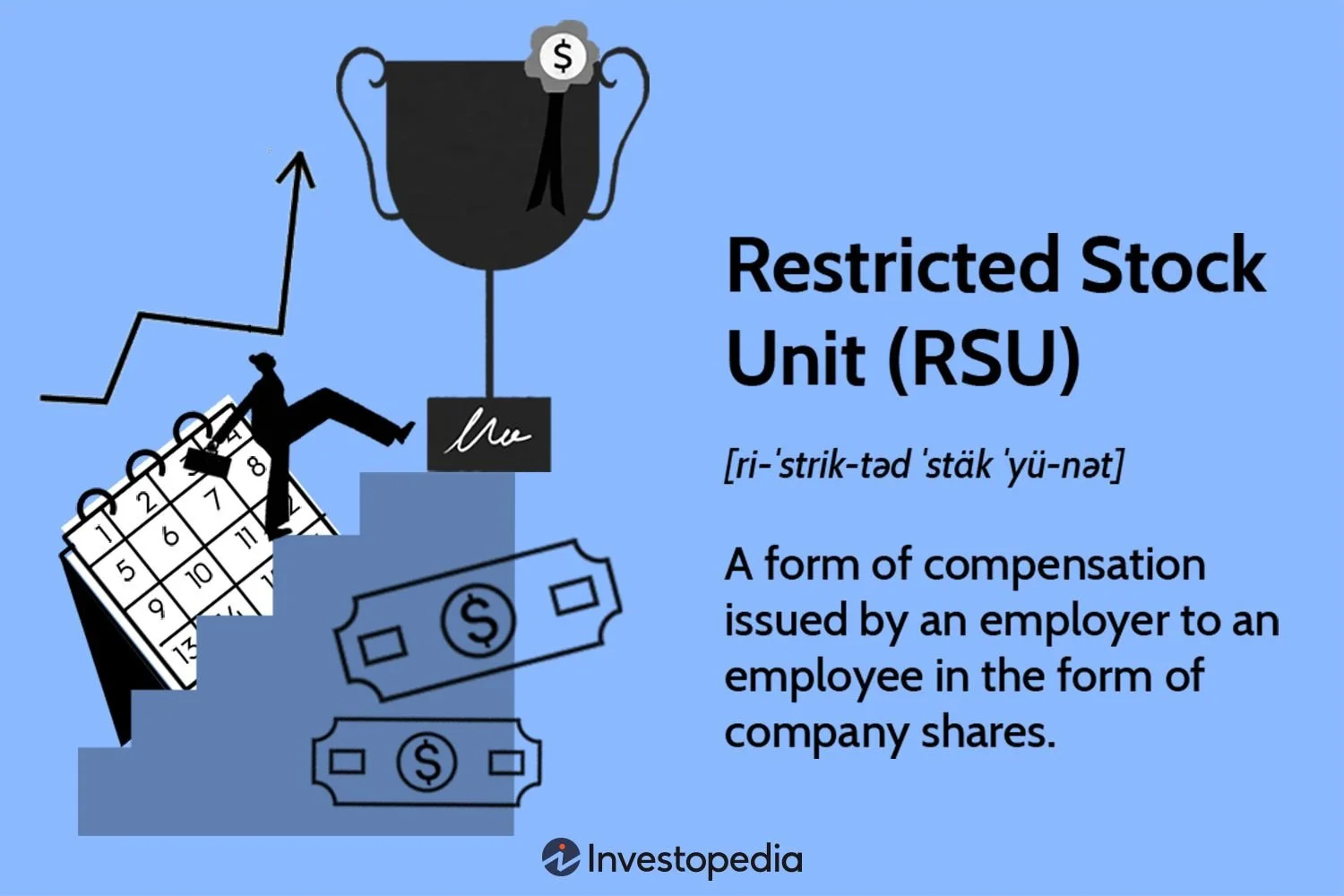
Restricted Stock Units (RSUs) are a type of equity compensation, commonly granted by employers to employees as part of their overall compensation package. RSUs typically vest over a period of years and can be used to purchase company stock at the time it is vested. An RSU is considered income for mortgage qualification purposes, so if you own RSUs, you will need to include them in your income calculations when applying for a mortgage.

Can RSUs be Used as Income for a Home Loan?

Yes, RSUs can be used as income for a home loan. When applying for a mortgage, lenders may use your gross pay which includes RSU income or they may also calculate your average income over the past two years. You will need to provide documents showing any additional RSU-related income such as dividend payments and stock sales in order to accurately calculate the amount of mortgage you qualify for.

Are There Other Considerations When Using RSUs as Income?

Yes, there are a few other considerations to keep in mind when using RSUs as income for a home loan. First, you should know that RSU income is often taxed at higher rates than regular salary income. This means that your total taxable income could be greater when including RSUs, so your mortgage lender may require additional information such as a W-2 or 1099 to determine the amount of taxes you will owe. Additionally, if your RSU income fluctuates significantly from year to year, this could affect your ability to qualify for a home loan.

How to Calculate RSU Income

In order to accurately calculate your RSU income for a mortgage, lenders will typically want documents which show the number of RSUs held and the value of those RSUs at the time they were granted. This information can be requested from your employer or found in your financial statements. Additionally, lenders may ask for proof of any dividend payments associated with RSUs, as well as any gains or losses from stock sales.

How Can You Use RSUs to Qualify for a Mortgage?

Using RSUs to qualify for a mortgage can be an excellent way to increase your borrowing power. It’s important to remember, however, that lenders will look at all of your income when determining whether or not you are eligible for a loan. This includes both salary and RSU-related income so make sure that your documents accurately reflect the total amount of income you have. If you are concerned that your RSU income may not be enough to qualify for a mortgage, speak with a financial professional who can help you understand your options.

What Lenders Consider and What Documents You'll Need

When calculating income for a mortgage, lenders take into consideration all forms of compensation, including base salary and bonuses, as well as RSUs. For RSUs that are restricted but not yet vested – meaning that the company is holding onto them until certain conditions have been met – lenders may still take them into consideration, but with certain restrictions.

It’s important to note that lenders will also want to see a two-year history of income when considering an applicant for a mortgage loan. As such, if you are applying for a mortgage and have RSUs, it is important to provide your lender with full disclosure of all income sources when submitting your loan application.

The documents you will need to provide include your most recent pay stubs, W-2 forms, or tax returns that reflect your RSU income. You might also need to provide the vesting schedule for your RSUs, which can usually be obtained from your company's HR department or from the stock plan administrator. Company-specific documents that detail the terms and conditions of the RSU grant may also be required. Keep in mind that each lender may have their own specific requirements, so it's crucial to check with them directly.

There Are Times When A Mortgage Lender Won’t Accept RSUs

In certain cases, a mortgage lender may not accept RSUs as income for the purpose of qualifying for a home loan, or may require additional documents or evidence of other forms of compensation before considering an applicant. A few common instances include:

  • If your RSU income is received infrequently, such as once a year or less, and it isn’t enough to cover your total mortgage payments.

  • If you don’t have a steady paycheck that covers your mortgage payments for at least two years.

  • If you receive RSUs as a bonus or incentive, and the income can’t be verified by a past tax return.

Risks of Using RSUs As Part of Your Income

If the value of your RSU grant decreases, this could have a direct impact on your ability to qualify for a home loan. Additionally, since RSUs are taxed at higher rates than other forms of income, such as salary or bonus pay, you may find yourself in an even less favorable position if your RSU income is significant. Finally, RSUs are not always guaranteed to vest, meaning that you may have already begun counting on them as a form of income when you apply for a mortgage loan, yet find out later they were never granted due to certain conditions.

The Bottom Line: Planning Ahead is Key

When it comes to using RSUs as income for a home loan, the key is to plan ahead. Knowing what documents you will need, understanding how your RSU income may be taxed, and staying up-to-date with the company’s vesting schedule are all essential steps in the mortgage approval process. Doing your due diligence now will help you avoid any unpleasant surprises down the line, so make sure to have a thorough understanding of your RSU compensation before applying for a home loan.

It is also important to remember that lenders will want to see other forms of income when considering your application. If you are relying solely on RSUs as your source of income, it may be difficult to qualify for a mortgage. If this is the case, it may be beneficial to look for other means of income such as a second job or freelance work that can provide additional cash flow and help you qualify for your desired loan amount. Additionally, it may be possible to leverage any assets you have in order to increase your purchasing power and get the home of your dreams.

Will Foster
How to Find Homes With Assumable Mortgages

If you’re currently in the market for a home, you may have come across the term “assumable mortgage.” Especially in today’s interest rate environment where the sticker shock of mortgage rates may be alarming, creative financing ideas such as assuming a mortgage or finding a “portable mortgage” can be an option to explore.

Key Takeaway 

Assumable and portable mortgages offer potential avenues for homebuyers to secure more favorable interest rates. These creative financing options can make homeownership more accessible, particularly in a market environment characterized by high mortgage rates. 

What is an Assumable Mortgage?

An assumable mortgage is simply a type of loan in which the buyer is able to “take over” the seller’s existing mortgage. In other words, the buyer can assume responsibility for payments on an existing mortgage loan rather than getting a new one. It may be beneficial to buyers because they can get lower interest rates and more favorable terms than they could with a new loan. It can also be advantageous to the seller, as it may increase their chances of selling the home quickly and for more money.

How Assumable Mortgages Work

If you’re considering an assumable mortgage, there are a few things you should understand. Generally speaking, assumable mortgages can be divided into two categories: conventional and government-backed loans. Conventional loans are typically easier to assume because they require less paperwork and documentation. Government-backed loans usually have more restrictions, such as the need for additional qualifications and the requirement to use an approved lender.

In either case, the buyer can assume responsibility for the mortgage by signing a new loan agreement with the lender. This document includes all of the original terms and conditions of the existing loan, such as interest rate, payment amount, and length of term. It’s important that buyers understand all of these details before assuming the loan, as there may be hidden costs or drawbacks associated with it.

Pros and Cons of Assumable Mortgages

The primary benefit of an assumable mortgage is that it can provide buyers with more favorable terms than they could get on a new loan. This can be especially beneficial if the seller’s loan has a lower interest rate than current market rates, or if the buyer can assume responsibility for less money upfront. 

On the other hand, there are some potential drawbacks to assumable mortgages. The buyer may be required to pay the seller’s closing costs, and they may not qualify for certain loan programs that have been introduced since the original loan was taken out. Additionally, if the seller has a balloon payment due at the end of the loan term, this could become the buyer’s responsibility as well. 

Ultimately, you should be sure to weigh both the pros and cons of assumable mortgages before making any big decisions. 

Types of Assumable Mortgage Loans

There are several different types of assumable mortgage loans. The most common types include: 

  • FHA and VA Loans: These loans allow the buyer to assume responsibility for an existing loan that was originally obtained through the Federal Housing Administration (FHA) or the Department of Veterans Affairs (VA). 

  • Conventional Fixed-Rate Mortgages: These loans allow buyers to assume an existing loan with a fixed interest rate.

  • Adjustable Rate Mortgages (ARMs): ARMs can also be assumable, but the buyer should understand that their payments may increase or decrease over time depending on market conditions. 

  • Portable Mortgage Loans: With a portable mortgage, buyers have the option of transferring the loan from one property to another. This can be beneficial for buyers who may move frequently or plan on downsizing in the future. 


How to Assume a Mortgage

If you’ve decided that an assumable mortgage is the right choice for you, there are a few steps you’ll need to take. First, you’ll want to research available loans and find one that meets your needs. You should also make sure to read the terms of the loan carefully so that you understand all of your rights and obligations.

Next, you’ll need to contact your lender and let them know that you are interested in assuming the loan. They will likely require additional paperwork such as proof of employment or income, credit report, and bank account information. Once your application is approved, the lender will prepare a new loan agreement for you to sign and assume responsibility for the loan. 

Finally, you should closely monitor your account to ensure that all of the payments are being made on time. This is especially important if you’re assuming a loan with an adjustable rate, as it could change depending on market conditions.


Finding Homes with Assumable Mortgages 

Now that you understand the basics of assumable mortgages, you may be wondering how to find homes with these types of loans. Fortunately, there are several resources available that can help you locate assumable mortgage properties. 

For starters, you can check with your local real estate agents or lenders to see if they know of any current listings. Additionally, many online real estate sites now provide search filters to specifically look for assumable mortgage homes. Finally, you can also check sites such as Craigslist or Zillow to see if there are any advertised properties in your area. 


Final Thoughts

Assumable mortgages can be a great way for buyers to get into a home with more favorable terms than they could obtain with a new loan. However, it’s important that you understand the pros and cons before making any big decisions. Do your research and consider talking to a financial advisor if you have any questions or doubts. 

By taking the time to understand all of your options, you’ll be in a better position to choose the best loan for your situation—allowing you to get into the home of your dreams without breaking the bank! 

Will Foster
Can I Get A Reverse Mortgage With Bad Credit?

One commonly held notion about qualifying for a reverse mortgage is that you need good credit to be eligible. That’s a misconception. While your credit rating does come into play, it’s not the only—or even the most important—factor to qualify. Sometimes, your credit rating can be poor, and you can still get a reverse mortgage with bad credit.

Key Takeaway

Your credit score may impact your ability to qualify for a reverse mortgage, but it's not the only factor. Even with poor credit, you may still be able to get approved for a reverse mortgage if you meet other requirements. Before applying, take time to research and compare all of the options available to find the best one for your needs. A financial advisor or reverse mortgage counselor can also help you understand the process and make the best decision. 

What Are the Credit Requirements for a Reverse Mortgage?

Credit requirements vary by lender, but the majority of reverse mortgage lenders have fairly straightforward credit requirements. Generally speaking, you’ll need a minimum FICO score of 620 in order to qualify for most types of reverse mortgage loans. That said, some lenders may go as low as 580 or higher if your other qualifications are strong enough. 

That’s why it’s important to shop around when looking for a reverse mortgage. Different lenders may have different guidelines and standards, so you may find that one lender is willing to work with you even if your credit score isn’t perfect. 

Can I Get a Reverse Mortgage If I Owe Taxes?

Tax debt can be another obstacle when applying for a reverse mortgage. Lenders don’t want to put themselves in the position of approving a loan and then having that loan taken away due to unpaid taxes. That said, it is possible to qualify for a reverse mortgage with tax debt if you can show that your debts are being managed or are in the process of being paid off. 

Your lender will take into account any taxes owed when calculating your loan amount, so it’s important to keep this in mind. Additionally, it is possible for unpaid taxes to be included as part of the reverse mortgage loan. But you should make sure that you understand all terms and conditions before entering into an agreement with a lender. 

Other Factors That May Affect Your Eligibility for a Reverse Mortgage 

In addition to your credit rating and taxes owed, other factors that may come into play when considering whether or not you qualify for a reverse mortgage include: 

  • Age - You must be at least 62 years old in order to qualify. 

  • Property value - Your home’s appraised value will determine the amount of money you can get from a reverse mortgage. 

  • Home equity - The majority of reverse mortgages require that the homeowner have at least some equity in their home. 

  • Income - You don’t need to have a steady income in order to qualify, but lenders may consider your income when determining your eligibility. 

  • Debt-to-income ratio - Your debt-to-income ratio will also be taken into account by the lender. 

Can I Get a Reverse Mortgage if I’m Behind on My Mortgage?

If you’re behind on your mortgage payments, it could be difficult to qualify for a reverse mortgage. Lenders will take a close look at your current situation and determine if the loan would be in the best interest of all parties involved. Depending on how far behind you are on your mortgage payments, lenders may not approve a reverse mortgage. However, keep in mind that every situation is different and different lenders may have different policies. 

Does a Reverse Mortgage Show Up on a Credit Report?

No, reverse mortgages do not show up on a credit report. They are not considered debt and there is no monthly payment required, so they do not affect your credit score in any way. 

Do I Need Income to Get a Reverse Mortgage? 

No, you do not need a steady income to be eligible for a reverse mortgage. Lenders may take your income into account when determining the amount of money you can get from the loan, but it is not necessary to have income in order to qualify. 

When applying for a reverse mortgage it’s important to understand all of the requirements and the different factors that could affect your eligibility. With the right lender, you may be able to get a reverse mortgage even with bad credit or tax debt. It’s important to weigh all of your options before making any final decisions. 

Bottom Line

It is possible to get a reverse mortgage with bad credit, but it’s important to consider all of the factors that can affect your eligibility and work with a reputable and experienced lender. Understand all of the terms and conditions before entering into an agreement, and make sure that you are comfortable with the loan terms. 

If you have any questions about how to get a reverse mortgage with bad credit, or if you’d like more information on how to apply, contact us today!

Will Foster
Should I Pay Off My Mortgage Early?

One of the biggest financial decisions a homeowner faces is whether to pay off their mortgage early or stick to the loan term set by their mortgage lender. While there are certainly benefits, there are also potential drawbacks you must consider. In this article, we will explore the benefits and drawbacks, pros and cons, as well as provide tips for those who are interested in doing so.

Key Takeaway 

Paying your mortgage off early essentially means paying more than the minimum required monthly payment on your mortgage, which can save you a significant amount of money in interest over the life of the loan. By doing so, you'll reduce your overall debt, increase your credit score, and free up cash that can be used for other important expenses such as education, retirement savings, or travel. While it may require some sacrifices in the short term, the long-term benefits of becoming mortgage-free can far outweigh the initial discomfort. Not only will you save thousands of dollars on interest, but you'll also have greater financial freedom and flexibility to pursue your goals and dreams. So, if you're looking for a smart financial move, paying off your mortgage early is definitely something to consider. 

What are the benefits of paying off your mortgage early?

Reduction in Interest Payments

One of the main benefits of is the reduction in interest payments. When you make extra mortgage payments or pay down your mortgage faster, you are decreasing the amount of time that your mortgage accrues interest, meaning you will pay less interest in the long run. This can end up saving you thousands of dollars in interest over the life of the loan.

Peace of Mind

For many homeowners, being free from mortgage debt provides a sense of peace of mind. Knowing that your home is outright yours can be a huge relief, and the lack of monthly mortgage payments can make budgeting and planning for the future easier.

More Financial Freedom

By paying off your mortgage early, you will free up money that would typically go toward your mortgage payment every month. This extra money can be used to contribute toward other financial goals, such as saving for retirement, funding a child's education, or even going on a dream vacation.

What are the potential drawbacks of paying off your mortgage early?

Loss of Tax Deduction

One significant drawback is the loss of tax deduction for mortgage interest. Homeowners are able to deduct mortgage interest from their taxable income, which can be a significant sum of money depending on their mortgage rate and loan term. In some cases, this drawback may outweigh the benefits.

Opportunity Cost

Another potential drawback is the opportunity cost of using the money to invest elsewhere. If you have a low mortgage interest rate, you may be better off investing the extra money and earning a higher rate of return. While paying off your mortgage early may provide peace of mind, it may not be the best financial decision in terms of maximizing your wealth.

Funds Tied Up

Finally, by paying off your mortgage early, you are tying up a significant sum of money to pay off your home. If you experience a financial emergency or need extra cash for any reason, it may be difficult to access the equity in your home. This is an important consideration, as you don't want to be in a situation where you are house rich but cash poor.

What are some ways to pay off your mortgage early?

Make Extra Mortgage Payments

The most straightforward way is to make extra monthly payments. Even an extra payment per year can go a long way in reducing the life of your loan and saving you money on interest payments.

Put More Cash Down

Keep in mind that the more cash you put down on the front end, the less money you’ll need to finance. That adds up to a lower mortgage payment each month, making it easier to pay off your house early.

Refinance Your Mortgage

If your current mortgage interest rate is high, you may want to consider refinancing your mortgage to a lower interest rate. This may provide savings in interest payments and allow you to pay off your mortgage faster.

Pay Your Mortgage Every Two Weeks

By splitting your monthly payment into two bi-weekly payments, you end up making an extra full payment each year. This can significantly reduce the life of your loan and save you money in interest.

Pros and cons of paying off your mortgage early

Pros of Paying Off Your Mortgage Early

Paying off your mortgage early provides the benefits of reduced interest payments, greater peace of mind, and more financial freedom. It can also help you save money on interest and allow you to focus on other financial goals.

Cons of Paying Off Your Mortgage Early

On the other hand, paying off your mortgage early may result in a loss of tax deduction, potential opportunity cost, and the tying up of funds in your home, as we mentioned above. It's important to carefully weigh the pros and cons before making a decision.

How much money can you save by paying off your mortgage faster?

Savings from Eliminating PMI

If you have private mortgage insurance (PMI), paying off your mortgage early can also help you eliminate this additional cost. PMI is required for homeowners who put less than 20% down on their homes and can cost hundreds of dollars per month.

Savings from Avoiding Home Equity Loans

By paying off your mortgage early, you may avoid the need for a home equity loan in the future. These loans can come with high-interest rates and fees, so avoiding them can help you save money in the long run.

The Bottom Line 

Ultimately, the best way to pay off your mortgage will depend on your individual circumstances and financial goals. For example, if you want to save money on interest and can afford to put extra funds toward your home loan, then focusing on making additional payments or even refinancing your mortgage could be a good choice.

The decision of whether to pay off your mortgage early is a personal one that requires careful consideration. While there are certainly benefits to paying off your mortgage early, there are also potential drawbacks to consider. By weighing the pros and cons and exploring your options for paying off your mortgage early, you can make an informed decision that works best for your individual financial situation.

Will Foster
How VA Non-Allowable Fees Can Help You Save Money on Your Home Purchase

When you’re buying a home, closing costs can add up quickly. But if you’re purchasing a home through the VA loan, there are rules about which fees a lender can charge you. Luckily, there are many VA non-allowable fees that will help you keep your closing costs under control.

Here’s what you need to know about these fees if you plan to purchase your home with a VA loan.

Key Takeaway

VA non-allowable fees can be a great way for veterans to save money on their home purchases. These fees are limited by the VA, which means that lenders cannot pass them on to the veteran who is taking out a loan. This often includes extra costs such as appraisal fees, inspection fees, title search fees, and more. By being aware of these fees, veterans can get a better handle on their home-buying budget and have great savings in the long run.

What Are VA Non-Allowable Fees?

VA non-allowable fees are those fees that, according to the Department of Veterans Affairs (VA), cannot be charged to veteran borrowers. These fees are determined in order to protect veterans from being taken advantage of or charged with unnecessary costs as they purchase their home. They include all lender fees, such as origination points, broker fees, and processing fees. They also include certain title fees, such as recording fees and administrative costs.

VA non-allowable fees are important to understand, because they can help you save money on your home purchase. Since lenders cannot charge VA borrowers for these fees, you may be able to negotiate a lower price when making an offer on your house.

What Determines Your Non-Allowable Fees For A VA Loan?

The amount of non-allowable fees for a VA loan is determined by the Department of Veterans Affairs (VA). The VA sets a limit on the maximum amount of fees that lenders can charge veteran borrowers. These limits vary depending on the type of loan and terms but generally include all lender fees, such as origination points, broker fees, and processing fees.

What Are The Benefits Of VA Non-Allowable Fees?

The main benefit of VA non-allowable fees is that they allow you to keep your closing costs low when purchasing a home with a VA loan. Since these fees are set by the VA and cannot be charged to veteran borrowers, you may be able to negotiate a lower price when making an offer on your house. Furthermore, since lenders are prohibited from charging these fees, you can be sure that you’re getting the best deal possible on your loan.

Are VA Non-Allowable Loan Fees Paid By The Seller?

In most cases, VA non-allowable loan fees are not paid by the seller. Instead, they are typically paid for by the veteran borrower, either through their lender or through a third-party provider. However, there are certain circumstances when a seller may agree to pay some of these fees. For instance, if a seller is willing to offer a discount on the purchase price of a home, they may agree to cover some or all of the VA non-allowable loan fees.

List Of Common VA Allowable And Non-Allowable Fees

VA allowable fees are those fees that a lender is allowed to charge veterans under the Department of Veterans Affairs (VA) loan regulations. This includes mortgage origination fees, broker fees, processing fees, and other lender fees. It also includes certain title costs such as recording fees and administrative costs.

On the other hand, VA non-allowable fees are those fees that cannot be charged to veteran borrowers. This includes all lender fees, such as origination points, broker fees, and processing fees. It also includes certain title costs such as document preparation and attorney review/title opinions.

The VA sets a limit on the maximum amount of allowable and non-allowable fees so it is important to understand these limits if you are considering purchasing your home through a VA loan. This will help ensure that you get the best deal possible and keep your closing costs under control.

VA Allowable Fees

VA funding fee: This one-time fee is paid directly to the Department of Veterans Affairs to support the VA home loan program.

  • VA appraisal fee: You’ll need to pay for a VA appraisal to determine the value of the home.

  • Credit report fee: Lenders will need a copy of your credit report. This service should cost less than $50.

  • Origination fee: A lender may charge a flat fee of 1% of the loan amount to cover their costs. Or they may break up the allowable fees into an itemized list.

  • Title insurance: Title insurance is designed to protect the lender and buyer in case the property has claims against it. These claims might include outstanding liens or back taxes.

  • Recording fee: A recording fee covers the cost of transferring ownership of the property at the appropriate government office.

  • Any discount points you use: You can pay for reasonable discount points when using a VA loan.

  • Flood zone determination fee: You can pay a third party to determine whether a property is in a flood zone.

  • Mailing fees for refinancing: If you’re refinancing, you can pay for mailing charges associated with any necessary paperwork that needs to be mailed.

If you encounter a fee from your lender that isn’t allowed, then contact the Department of Veterans Affairs for assistance.

VA Non-Allowable Loan Fees

Here are the VA non-allowable fees that you need to consider.

  • Real estate attorney fees: Attorney fees are not allowed for VA home loans.

  • Real estate broker fees: You cannot pay for real estate broker fees when buying a home with a VA loan.

  • Agent or REALTOR® fees: VA borrowers cannot pay real estate agent fees. In many cases, these fees will be paid by the seller.

  • Application fees: The lender cannot charge you an application fee.

  • Escrow fees: You’ll likely need to fund the escrow account at closing. But you can’t pay any fees to set up the escrow.

  • Rate lock fees: Fees to lock in an interest rate are prohibited.

  • Appraisals or inspections ordered by the lender: Although you can pay for a VA appraisal, you cannot pay for additional appraisals ordered by the lender.

If you run into any of these fees, reach out to the VA.

Conclusion

The VA loan program is designed to help veterans purchase a home and get the best deal possible. By understanding which fees are allowable and non-allowable, you can ensure that your closing costs stay within the limits set by the Department of Veterans Affairs. If you encounter any fees not allowed under this program, be sure to contact the VA for assistance. With these tips in mind, you should have no problem finding an affordable mortgage option that meets your needs as a veteran homebuyer.

Will Foster
Understanding The Importance Of Condition Approvals For Home Buyers

When an application is conditionally approved, it means that the lender or financial institution has given initial approval based on the information provided by the applicant, but there are still some conditions that need to be met. These conditions could be related to income verification, employment history, credit check, or other documentation that needs to be provided.

It is important to note that conditional approval does not mean the loan is guaranteed or finalized. Further verification and documentation may be required before the loan is fully approved and funded. In some cases, the lender may choose to withdraw the conditional approval if the applicant does not meet the necessary conditions.

Common Approval Conditions

Common approval conditions for a conditionally approved loan or application may include requirements related to income verification, employment history, credit check, and documentation needed to support the application. For instance, proof of income, such as pay stubs or tax returns, could be a common requirement to satisfy the lender's income verification criteria. Employment history could also be crucial as it showcases the applicant's consistency in holding a stable job.

In addition, a credit check may be conducted to determine the applicant's creditworthiness and credit score. A high credit score is often a positive indicator that the borrower is capable of repaying the loan. The lender may also require supporting documentation to further verify the information provided, such as bank statements or proof of residency.

It is critical to note that conditional approval is not the same as final approval. The lender reserves the right to withdraw the conditional approval if the applicant does not meet the necessary conditions or if any inconsistencies or red flags arise during the verification process. Therefore, it is essential that the applicant provides accurate information and cooperates with the lender's requests to increase the likelihood of successful final approval.

Advantages Of A Condition Loan Approval

Conditional loan approval provides several advantages for both the borrower and the lender. Firstly, it allows the borrower to get an initial idea of their eligibility for a loan without having to complete the entire application process. This can save time and effort, especially if the borrower is not sure whether they want to commit to a loan.

Secondly, conditional approval sets clear expectations for the borrower, outlining the conditions that must be met for the loan to be finalized. This can help the borrower prepare the necessary documentation and ensures that there are no surprises during the final approval process.

For the lender, conditional approval provides a way to quickly assess an applicant's eligibility for a loan without fully committing to the financing. This can help prevent fraud and reduce the risk of default. Additionally, by setting specific conditions for the loan, the lender can tailor the loan terms to the borrower's specific needs, increasing the likelihood of successful repayment.

Comparing Mortgage Approvals

Comparing mortgage approvals can be a daunting task that requires a thorough understanding of the different types of approvals available, as well as the conditions and requirements associated with each. But by working with a knowledgeable lender and providing proper documents and information, borrowers can understand and increase the likelihood of successful final approval to make the process smoother and secure their dream home. Let's look at a few common mortgage approvals and how they differ from conditional approval:

Prequalification

Prequalification is a process that allows borrowers to estimate how much they can borrow from a lender based on their financial information. This initial step is typically quick and easy, requiring only basic information such as income, debts, and assets, and does not involve a credit check or income verification. The goal of prequalification is to provide the borrower with a general idea of how much they can afford to borrow and what type of loan may be suitable for their needs.

Although prequalification is not a guarantee of final loan approval, it does offer several advantages to borrowers. Firstly, it can help potential homebuyers understand their financial situation and how much they can afford to spend on a property. This can assist in the home search process, as it provides a clear idea of what homes are within the borrower's price range.

Secondly, prequalification can assist borrowers in demonstrating their seriousness to real estate agents and sellers. Having a prequalification letter can show that a borrower is a serious buyer, allowing them to compete with other potential buyers who may not yet have begun the prequalification process.

It is important to note that prequalification is not the final word on the amount a borrower can borrow or their eligibility for a specific loan program. It is simply a starting point that allows borrowers to identify potential financing options and begin the application process.

To move forward in the application process, the borrower will need to provide more detailed financial information, undergo a credit check and income verification, and complete a thorough loan application. Based on this information, the lender will issue conditional approval, pending the outcome of the verification process.

Preapproval

Preapproval is a more rigorous and comprehensive process than prequalification. In this stage, a lender will fully evaluate a borrower's financial situation to determine their eligibility for a specific loan amount and program. This evaluation includes a complete credit check, income, and asset verification, and an in-depth review of the borrower's financial documents.

The lender will provide the borrower with a formal preapproval letter that specifies the loan amount, interest rate, and other terms and conditions of the loan, based on the information provided. This letter demonstrates to real estate agents and sellers that the borrower is a serious buyer who is eligible for a specific loan program, and has already begun the approval process.

Preapproval offers several significant advantages for potential homebuyers. Firstly, it provides a clear idea of how much the borrower can afford to spend on a property, which can help them narrow down their search and make more informed decisions. Secondly, preapproval offers a clear understanding of what the monthly payments and overall costs of the loan might be, which can assist in budgeting and financial planning.

Furthermore, preapproval shows that the borrower is financially stable and has already undergone a thorough evaluation by the lender. This can give sellers and real estate agents confidence that the transaction will close successfully, making the bidding process more competitive. Preapproval can also significantly increase the likelihood of final approval and provide a clear understanding of the terms and conditions of the loan.

Unconditional Approval

Unconditional approval is the final step in the loan application process. It is the point at which a lender formally agrees to provide financing for a borrower and all of their conditions are met. Unconditional approval means that the lender has conducted a detailed analysis of the borrower's financial situation, including a credit check, income verification, and asset review. This process is designed to ensure that the borrower can afford the loan amount and meet all of the terms and conditions of the loan.

Once a borrower has received unconditional approval, it is generally expected that they will move forward with closing on the home. At this point, lenders are confident that their criteria have been met and that no further information is needed.

Verified Approval

Verified approval is a new feature offered by some lenders that takes preapproval to the next level. With verified approval, the lender goes through a rigorous process of verifying the borrower's financial information, including income, assets, and credit history, before issuing a mortgage preapproval letter.

Moreover, unlike a traditional preapproval, which is only valid for a certain period, verified approval is typically valid for up to 90 days or longer, depending on the lender. This extended timeframe gives homebuyers more flexibility in their home search and allows them to move quickly when they find the right property.

It's important to note that while verified approval is a powerful tool for both borrowers and lenders, it is not a guarantee that the borrower will ultimately receive final loan approval. The borrower must still meet all of the lender's criteria and successfully complete the underwriting process to receive final approval.

However, verified approval can significantly streamline the mortgage application process and provide borrowers with greater confidence and clarity throughout the homebuying journey. By providing lenders with all of the necessary documentation upfront, borrowers can avoid delays and potential roadblocks that can arise during the underwriting process, making the entire process smoother and more efficient.

When Are Conditional Approvals Denied?

Conditional approvals can be denied for a variety of reasons. Most commonly, a conditional approval is denied because the borrower's financial situation changes between the time of preapproval and final approval. For example, if the borrower takes on new debt or loses their job before closing on the home, the lender may have to reevaluate their financial situation and determine that they no longer meet the criteria for the loan.

Furthermore, conditional approvals may also be denied if the borrower fails to provide all of the necessary documentation or if there are errors or discrepancies in their application. This highlights the importance of submitting complete and accurate information during the preapproval process.

Additionally, conditional approval can be denied if the property being purchased does not meet the lender's criteria or if there are issues with the appraisal. This can occur if the property is in poor condition or if its value is significantly lower than the purchase price.

How Long Does It Take To Close After Conditional Approval?

Closing on a home after receiving conditional approval can take anywhere from a few weeks to a few months, depending on various factors. The length of time depends on the amount of time it takes to complete the underwriting process and satisfy all of the lender's conditions, as well as the borrower's ability to provide all of the necessary documentation within the allotted timeframe.

In some cases, it may take longer for borrowers to close on a home after conditional approval, particularly if there are issues with the property or if additional verification is required. For example, the lender may need to perform additional inspections or gather more information about the borrower's financial situation before finalizing the loan.

In general, borrowers should begin preparing for the closing process as soon as they receive conditional approval from the lender. This includes gathering all of the necessary documentation, such as bank statements, tax returns, and employment verification, and ensuring that there are no errors or discrepancies in the application.

To speed up the closing process, borrowers can work with their lenders to address any issues that arise and provide additional documentation as needed. Additionally, they should be aware that there may be additional fees associated with the closing process, such as appraisal fees, title insurance, and other closing costs.

Next Step: Clear To Close

The final step in the mortgage process is achieving "clear to close," which means that all of the necessary conditions have been met and the lender is ready to move forward with the loan. At this point, the borrower can set a closing date and prepare for the final steps in the homebuying journey.

Clear to close is typically issued after the underwriting process has been completed and all of the necessary documentation has been provided and approved. This means that the borrower's financial situation has been thoroughly evaluated and they meet all of the lender's criteria for the loan. The property has also been thoroughly evaluated to ensure that it meets the lender's criteria and the appraised value is acceptable.

The length of time it takes to achieve a clear to close can vary depending on various factors, including the complexity of the loan, the borrower's financial situation, and any issues that arise during the underwriting process. In some cases, the process can take just a few weeks, while in others it may take several months.

To ensure a smooth and efficient closing process, borrowers should continue to work closely with their lenders and provide any additional documentation or information as needed. They should also be prepared to pay any additional fees associated with the closing process, such as appraisal fees, title insurance, and other closing costs.

Conclusion

In conclusion, the homebuying journey can be complex and challenging, but with the right preparation and mindset, borrowers can achieve their dream of owning a home. Working closely with their lender and being proactive throughout the process can help ensure a smooth and efficient closing.

Will Foster
Uncovering the Reality of Equal Opportunity Housing: What it Means and What You Can Do

Everyone deserves to be treated fairly when it comes to their search for and financing of housing. Over the years, there have been a number of laws aimed at securing and protecting the right to equal opportunity housing, among other rights.


In this article, we’ll go over what equal opportunity housing means and the responsibilities it creates for all parties in a real estate transaction before touching on some of the relevant legislation in this area. Then we’ll go over what you should do if you suspect discrimination. Finally, we'll show how you can identify organizations that support equal opportunity housing.


Key Takeaway

Equal opportunity housing is a fundamental right that should be ensured to all individuals regardless of their race, color, national origin, religion, sex, familial status or disability. It is important to be aware of the relevant laws and regulations in your area related to equal opportunity housing so that you can take action if you suspect discrimination. By understanding your rights and being aware of the resources available, you can help create an equitable real estate market where everyone has access to safe, affordable housing.


What Does Equal Opportunity Housing Mean

Equal opportunity housing means everyone, regardless of their background or circumstances, should have an equal chance to obtain housing. This includes access to fair and reasonable financing options for the purchase of a home or rental of a dwelling. It ensures that lenders and rental property owners do not deny people's applications based on factors such as race, color, religion, sex, national origin, familial status, or disability.


Who Enforces Equal Housing Opportunity Laws

Equal housing opportunity laws are enforced by a number of different organizations including the U.S. Department of Housing and Urban Development (HUD) and local and state level fair housing agencies. HUD is responsible for enforcing the Federal Fair Housing Act, which prohibits discrimination in the sale, rental and financing of dwellings based on race, color, religion, sex, national origin, familial status, or disability.


Identifying Organizations That Support Equal Opportunity Housing

There are a number of organizations that support equal opportunity housing and provide resources to those who believe their rights may have been violated. These include HUD, the National Fair Housing Alliance, the American Civil Liberties Union, and local or state level fair housing agencies. Each of these organizations can provide assistance in identifying and addressing any instances of housing discrimination.

Equal Housing Opportunity And Rentals

When it comes to equal housing opportunity, it is important to understand that this applies to both the purchase of a home and the rental of a dwelling. Landlords must not discriminate against potential tenants on the basis of their race, color, religion, sex, national origin, familial status or disability. They must treat all applicants equally and fairly throughout the rental process.

Equal Housing Opportunity And Home Sales

Equal housing opportunity applies to home sales as well. Anyone interested in buying a house must be given the same chance of purchasing a property regardless of their race, color, religion, sex, national origin, familial status or disability. This means that lenders must provide fair and reasonable financing options to all prospective buyers. It also means that real estate agents must not steer potential buyers towards or away from certain properties based on any of the protected characteristics.

Rights Of The Home Buyer- The rights of the home buyer are protected under equal opportunity housing laws. Home buyers should be aware of their rights and familiarize themselves with the legislation in place to ensure they have the best chance of obtaining a property free from discrimination.

Under the Federal Fair Housing Act, buyers are guaranteed the right to purchase or rent a dwelling based on their own merits and to not have the terms of a transaction altered due to any protected characteristics. Additionally, they are entitled to receive fair and reasonable financing options regardless of their background or circumstances.

Responsibilities Of The Home Seller- As a seller, you have to entertain offers from everyone who might want to buy your home. You are allowed to have some criteria for those you sell your home to, but you cant make decisions based on any of the categories above for or against someone. But, you also have certain rights as a seller or someone refinancing their home, like the right to a fair home valuation. That's where appraisers come in.

Responsibilities Of The Appraiser- When you buy or refinance a home, a home valuation is given to determine what it’s worth. Because the home serves as collateral for the loan, lenders won’t loan you more than the home is worth. Appraisers are supposed to evaluate the condition of your home and give it a value in line with recent sales of similar homes in your area.

In practice, the way this works is that if you have a three-bedroom ranch, your home is compared with recent sales of other three-bedroom ranches in your area, typically within a mile of yours, depending on the population density in your area.

Although the problem isn’t likely widespread, incidents of bias do happen on occasion. We’ll go over what sellers can do about the potential discrimination later on.

Responsibilies Of The Real Estate Agent- As a real estate agent, you’re also bound by these rules of nondiscrimination. If a buyer wants to look within a certain area, you have to show them the properties that are available. If they decide to make an offer, you negotiate on their behalf.

You aren’t legally allowed to avoid showing people certain areas because you believe those in the neighborhood might not be welcoming of their sexual orientation, for example, nor are you allowed to serve only particular races.

The Laws Guaranteeing Equal Opportunities In Housing

The laws listed below work together to guarantee that individuals are treated fairly in all aspects of housing, from finding a home to receiving financing for it. They also provide recourse for those who feel their rights have been violated and can seek compensation for any damages they’ve suffered as a result.

Civil Rights Act Of 1866- The Civil Rights Act of 1866 was a landmark piece of federal legislation that granted all persons born in the United States citizenship rights and protected them against racial discrimination. This act was first proposed by President Abraham Lincoln, who believed that all people should have equal rights to enjoy life, liberty, and property regardless of their race or color. Congress quickly passed the act, but it was not until 1964 that the Supreme Court upheld its constitutionality.

Today, this law is still a part of our civil rights laws and provides individuals with protection against discrimination on the basis of race or color when it comes to housing. In addition to prohibiting discrimination in the sale or rental of dwellings, this law also makes it illegal for lenders to deny someone a loan or mortgage based on their race or color.

Overall, the combination of federal, state and local laws help protect individuals against discrimination in housing. They provide a necessary framework that enables every person to have access to safe and secure housing opportunities, regardless of their background. These laws are an essential part of our civil rights system and must be enforced to ensure that everyone has equal opportunities in terms of housing in your area.

Title VI Of The Civil Rights Act Of 1964- Title VI of the Civil Rights Act of 1964 prohibits discrimination on the basis of race, color, or national origin in programs and activities receiving federal financial assistance. This includes any program or activity administered by a state or local government, such as public housing, school systems, and transportation services. This law protects individuals from being excluded from participation in or denied the benefits of any federal program or activity on the basis of their race, color, or national origin.

Under Title VI, it is illegal to deny someone access to housing based on their race, color, or national origin. This includes refusing to rent to an individual due to their background, as well as discriminating against them in terms of prices, terms, or conditions of a rental agreement. Additionally, lenders cannot deny someone a loan or mortgage due to their race, color, or national origin.

These civil rights laws are essential for protecting individuals from discrimination in housing. They provide a necessary framework that ensures everyone has access to safe and secure housing opportunities, regardless of their background. It is important to be aware of these laws so that you can ensure that all people have equal opportunities in terms of housing in your area.

Fair Housing Act- The Fair Housing Act is a landmark civil rights law passed in 1968, which prohibits discrimination in the sale, rental, and financing of dwellings based on race, color, national origin, religion, sex, familial status, and disability. It was the first comprehensive federal law to protect individuals from discriminatory practices in housing.

Under this law, it is illegal to deny someone access to housing based on their protected characteristics. This includes discriminating against them in terms of prices, conditions, or services related to a rental agreement. It also makes it illegal for lenders to deny someone a loan or mortgage based on their race, color, religion, sex, familial status, national origin or disability.

Equal Credit Opportunity Act- The Equal Credit Opportunity Act (ECOA) is a federal law that prohibits discrimination in any aspect of a credit transaction based on race, color, religion, national origin, sex, marital status, age, or receipt of public assistance. This law was established to ensure that individuals have equal access to credit regardless of their background.

Under the ECOA, it is illegal for a lender to deny someone a loan or mortgage based on their race, color, religion, sex, national origin, marital status or age. Additionally, lenders cannot require individuals to provide additional documentation due to their race or national origin as part of the loan application process.

Consumer Credit Protection Act Of 1968- The Consumer Credit Protection Act of 1968 (CCPA) is a federal law that protects consumers from discrimination in their access to credit. The law prohibits creditors from basing their decision to grant credit on factors such as race, color, religion, national origin, sex, marital status or age. It also makes it illegal for creditors to require additional documentation due to an individual’s race or national origin.

The CCPA is an important law for protecting individuals from discrimination in their access to credit. By ensuring that everyone has equal opportunities for accessing credit, it helps create a more equitable and just society. It also ensures that individuals are not denied the ability to purchase goods or services due to their background.

Americans With Disabilities Act- The Americans with Disabilities Act (ADA) is a landmark civil rights law passed in 1990 that prohibits discrimination against individuals with disabilities in the areas of employment, public accommodations, transportation, and telecommunications. The aim of the ADA is to ensure that people with disabilities have equal access to the same opportunities as everyone else.

The ADA requires that all public accommodations, such as stores and restaurants, provide reasonable modifications or services to individuals with disabilities. This includes providing wheelchair accessible entrances and restrooms, offering Braille menus for those who are visually impaired, installing assistive devices for those who have hearing impairments, and making sure that service animals are allowed in the premises.

Home Mortgages Disclosure Act- The Home Mortgage Disclosure Act (HMDA) is a federal law passed in 1975 that requires lenders to publicly disclose information about their mortgage lending activity. This includes data on the number of loans they’ve granted, loan amounts and interest rates, as well as information about the borrowers such as race, gender, income and marital status. The purpose of HMDA is to root out any discriminatory lending practices and ensure that everyone has equal access to credit.

The information collected through HMDA helps identify redlining, a practice in which lenders deny certain areas of the population access to credit based on race or other factors. It also helps regulators assess the performance of lenders in terms of providing access to credit in all areas.

These are just a few of the civil rights laws that protect individuals from discrimination in the realm of housing and credit. It is important to be aware of these laws so that you can ensure everyone has equal opportunities when it comes to accessing housing and credit.

Section 1031 Of Dodd-Frank Wall Street Reform Act- Section 1031 of the Dodd-Frank Wall Street Reform Act is a law that is designed to protect consumers from predatory lending practices and other unethical behavior by banks and other financial institutions. This law prohibits certain types of loans, including subprime and high-cost mortgages, as well as payday loans, that can be extremely detrimental to consumers. It also requires lenders to provide certain disclosures and consumer protections, such as providing borrowers with clear information about loan terms and the total cost of borrowing.

Section 1031 is intended to protect consumers by ensuring that they are not taken advantage of by unscrupulous lenders, while still giving them access to credit. This law is an important piece of legislation that helps to ensure that everyone has a fair chance at accessing credit and other financial services without being taken advantage of.

New York Human Rights Law- The New York Human Rights Law is a comprehensive civil rights law that prohibits discrimination in many areas, including employment, education, housing, and public accommodations. This law applies to employers of four or more persons; real estate transactions; credit transactions; places of public accommodation; and educational institutions. Under this law, it is illegal to discriminate on the basis of age, race, gender, sexual orientation, disability, national origin, religion or creed.

The New York Human Rights Law prohibits employers from discriminating against employees based on any of the categories listed above. This includes hiring and firing decisions as well as compensation and other benefits. Additionally, employers are prohibited from making decisions that limit an employee’s ability to take advantage of employment opportunities based on any of these characteristics. This law is important in protecting individuals from discrimination and ensuring that everyone has the same opportunity to work and earn a living.

Additionally, it is important to remember that civil rights laws are not just an abstract concept. They are actively enforced by the federal government through organizations such as the Department of Housing and Urban Development (HUD). Complaints made to HUD can result in investigations, fines, or other legal action being taken against those who are found to be in violation of the law. Therefore, it is important for everyone to be aware of and abide by these laws in order to ensure that discrimination does not take place.

What Should You Do If You're A Victim Of Housing Discrimination?- If you think that you have been a victim of housing discrimination, you should take immediate action. First, gather as much evidence of the discrimination as possible, including any documents or emails related to the incident. You should also speak to any witnesses who may have seen or heard something related to the incident.

Next, file a complaint with the appropriate agency. Depending on where you live, this could be the Department of Housing and Urban Development (HUD), your local housing authority, or a civil rights organization. You may also want to contact an attorney who specializes in civil rights law to help you file a claim against the person or entity responsible for the discrimination.

Finally, it is important to stay informed about civil rights laws and the steps you can take to ensure that your rights are protected. Being aware of these laws and their protections can help you fight housing discrimination and ensure that everyone has equal access to housing opportunities.

Try To Work It Out With The Offending Party- If you have been a victim of housing discrimination, it is important to try and work it out with the offending party before resorting to legal action. It is best to address the issue in a calm and professional manner. Start by explaining the situation and why you believe this to be discrimination. Make sure that you provide factual evidence about what happened and why you think it could be classified as discrimination.

If the offending party is willing to listen, this may provide an opportunity to resolve the issue without taking legal action. In some cases, it might even be possible to come to an agreement that will benefit both parties. If a resolution cannot be reached, then you can take legal action to protect your rights.

Be Aware Of The Risk Of Bad Appraisal- Bad appraisals can have a significant impact on not just the buyer or seller of a home, but the entire housing market. When an appraisal is wrong, it can lead to overpricing of a property, which can have ripple effects throughout the market. Overpriced homes can cause other homes in the area to be priced too high and can lead to an artificially inflated market.

It is important to be aware of the risks associated with bad appraisals and take steps to ensure that this does not happen. If you feel that an appraisal was wrong, you should contact the Appraisal Institute for help in making sure that a fair appraisal is done. You may also want to contact your local real estate commission and file a complaint if you feel that the appraisal was done improperly.

Conclusion

Equal opportunity housing is a fundamental right for all individuals, regardless of their background or circumstances. It ensures that landlords, lenders and real estate agents do not discriminate against people based on race, color, religion, sex, national origin, familial status or disability. Everyone should be aware of their rights and how to identify any instances of housing discrimination. Additionally, they should be familiar with the organizations that provide support and resources for those affected by housing discrimination.

Will Foster
Discover the Advantages of Remodeling Your Home Instead of Moving

If you’re considering big changes to your home, you too might be wondering if all the construction and inconvenience of remodeling worth it, or would it be better to find a new place that already suits your needs as-is? Here’s how to determine whether you should remodel or move.

Key Takeaway

When deciding whether to remodel or move, assess your lifestyle needs, budget, and how much time and effort you’re willing to invest in a project. This will help you make the best decision that will lead you to your ideal living situation.

Should You Remodel Or Move

Remodeling your home has many benefits, such as the ability to express your own unique style and customize the space to best suit your needs. You may also be able to increase the value of your home by making improvements that follow current market trends. However, depending on the scope of the project and the size of your budget, remodeling may not always be the most cost-effective solution.

Moving to a new place is a great option if you’re looking for a completely fresh start and have the financial means to do so. Ultimately, determining whether to remodel or move should involve an honest assessment of your lifestyle needs, your budget, and how much time and effort you’re willing to put into a project. By considering these factors, you can decide the best course of action that will lead you to your ideal living situation.

Pros Of Moving

Let's take a look at some of the advantages of moving to a new house rather than remodeling:

Don't Have To Live Through Construction- When moving to a new house, you don't have to endure the disruption of loud construction noise, dust and debris that come with remodeling. Additionally, you won’t be subjected to the chaos of living in an unfinished space or dealing with contractors entering your home for weeks (or even months) on end. Moving gives you the opportunity to start fresh in a brand new home right away.

Remodeling Won't Solve All Your Problems- Remodeling can be a great way to create the home of your dreams, but unfortunately it won't solve all your problems. Even with a successful remodel, underlying issues such as noise from nearby neighbors, pests in the area or a lack of natural light cannot be fixed with new fixtures and appliances. Additionally, depending on the scope of the project, remodeling could take weeks (or even months) to complete.

Wont Need To Manage A Renovation Budget- When it comes to remodeling your home, there are many things that need to be taken into account. Not only do you have to consider the initial costs of materials and labor, but you also need to factor in any hidden costs that may arise during the remodel. Managing a renovation budget can be a daunting task, as you need to ensure that the money is being spent wisely and that you don’t go over budget. Moving to a new home eliminates the stress and need for this type of financial management.

Pros Of Remodeling

Remodeling can be an ideal solution if you’re looking to just stay in your current home and make changes that reflect your personal style. Let's take a look at why remodeling or renovating your current home might be better for some people:

Moving And Home Buying Is Expensive- Moving and home buying can be incredibly expensive, especially when you factor in costs such as real estate broker fees, closing costs, and the cost of repairs necessary for a new house. Not to mention, if you're selling your current home, you'll also have to factor in the cost of listing and marketing fees. When compared to remodeling, these costs can quickly add up.

You Can Increase Your Home's Value- With remodeling, you can make improvements that reflect current market trends and increase the value of your home. Not only will this help if you ever decide to sell, but it could also lead to lower taxes depending on what renovations were completed. Additionally, with remodeling you can make improvements that provide more energy-efficiency, helping to lower your monthly utility bills in the long run.

You Can Customize Everything- With remodeling, you have the freedom to customize your home exactly how you want it and make it truly yours. From adding extra storage space to changing out finishes and fixtures, remodeling offers a unique opportunity to express your own style in a way that’s both functional and aesthetically pleasing.

You Don't Have To Leave An Area That You Love- When it comes to remodeling, one of the biggest advantages is that you don’t have to leave an area that you love. Not only can you enjoy all the amenities your current neighborhood has to offer, but you also get to experience the thrill of creating a new and improved lifestyle in the comfort of your own home. Remodeling can be an ideal situation for those who want to stay put and make the most out of their current living space.

You Could Have A Long Move Timeline- When it comes to moving, there is no one-size-fits-all timeline. Depending on the size and complexity of your move, it could take anywhere from a few weeks to several months to complete. For instance, if you are moving across the country with multiple stops along the way, it will obviously take much longer than if you were just moving a few blocks away. Remodeling on the other hand can usually be completed in much less time and with considerably less hassle.

You Can Avoid Unexpected Move-In Costs- One of the biggest benefits to remodeling instead of moving is that you can avoid unexpected move-in costs. When it comes to buying a new home, there are often hidden costs such as repairs and upgrades that you may not be aware of until after the purchase has been made. By remodeling your current home, you can avoid these unexpected expenses and make sure that your budget is spent wisely.

Is It Cheaper To Renovate Or Buy New?

The cost of renovating a home or buying a new one can vary widely depending on the scope of work and size of your budget. Generally, it is cheaper to renovate since you're just making improvements to an existing structure rather than building a new one from scratch, but the amount of time and effort needed for renovations often makes it more expensive in terms of labor costs. If you have the financial means, buying a new house may be more cost-efficient in some cases. Ultimately, what's best for you will depend on your lifestyle needs and how much time and effort you're willing to put into a project.

Should You Remodel Your Home Before Selling?

When deciding whether to remodel your home before selling, it’s important to factor in the potential return on investment. Generally speaking, renovations that are in line with current market trends and appeal to buyers can result in a higher sales price. Small projects such as updating fixtures or painting walls can also help boost the value of your home without breaking the bank. However, if you’re looking to cut costs, it may be better to just list your home as-is and allow potential buyers to make their own improvements down the line.

Conclusion

Choosing between remodeling and moving is an important decision that can be difficult to make. Consider all of the factors involved and determine which choice best suits your lifestyle and budget. Whether you decide to remodel or move, the outcome should result in a home that fulfills your needs and makes you happy.

Good luck! And remember, there’s no wrong choice—just make sure to take your time when deciding what’s best for you and your family.

Will Foster
Planning for Retirement: What to Consider When Buying a Home for Your Golden Years

Are you planning on buying a new home to spend your retirement years in? Whether you’re already retired, will be soon, or you have years to go, the best time to start planning for a new house is now. There’s a lot to consider when purchasing a home that you expect to spend a big portion of your life in. Let’s break down a few key things you should be thinking about as you get started on your post-career house-hunting journey.

Key Takeaway

When it comes to buying a home to spend your retirement years in, it's important to start planning now. Consider the location, types of recreational activities nearby, access to healthcare facilities, and other important elements that will make the house suitable for your lifestyle. Researching potential homes ahead of time can help you get an idea of what is available in your budget and give you a better chance of settling into a house that meets all of your needs. Investing time now can save you from making costly mistakes or settling for something that won't make you happy later on.

When Should You Buy A Retirement Home?

The best time to buy a retirement home is when you’ve saved enough money to cover the costs of purchasing and maintaining a property. While it can be tempting to move too soon, it’s important to make sure that you have the resources necessary before making such a large commitment. It is also wise to consider the future growth of your finances, as well as any potential changes in retirement savings plans or benefits.

What Are The Benefits Of Buying A Retirement Home?

Buying a retirement home has many benefits, from providing stability and security to giving you the opportunity to make long-term investments. You’ll be able to design your living space according to your needs, which can eliminate the need for costly upgrades later on. In addition, owning a property will also give you more control over how much you pay in taxes and associated costs.

Buying A House Before Retirement

Buying a house before retirement can be an excellent decision for many reasons. First, it allows you to lock in a lower interest rate. This could help you save money and make monthly payments more affordable by reducing the amount of interest you have to pay on your mortgage loan. Second, it gives you the opportunity to buy a home that fits your needs and lifestyle. You’ll have time to research neighborhoods, school district ratings, and other factors before you make a purchase. Finally, having a home already in place can provide peace of mind if any unexpected expenses arise during retirement.

Buying A House After Retirement

Buying a house after retirement can also be a great decision for many retirees. By purchasing property after you have retired, you will already have the financial stability needed to make this large investment. Furthermore, some retirees may receive additional benefits from their state or federal governments for owning a home in their post-retirement years. These could include deductions on income taxes, additional benefits for seniors, or even lower mortgage rates.

What To Consider When Buying A Retirement Home

When purchasing a home for retirement, there are several important factors to consider. Location is one of the most important aspects, as it can have a significant impact on your lifestyle and quality of life. Here are a few factors to consider when looking at retirement homes:

Finances- The most important thing to consider when buying a home to retire in is the impact that this house will have on your finances. If you are taking out a mortgage to pay for this home, when will you be able to pay it off by? Will you need to alter your retirement budget to accommodate for mortgage payments and other home expenses? Consider how big of a down payment you’ll need to make, too, and how much you’ll need to have set aside in savings for that as well as closing costs.

You should also think about how much home you can realistically afford. Your income will likely look a bit different after you’re done working – so keep in mind you may not have the monthly cash flow that you may have enjoyed before. Make sure your budget for housing expenses is accurate and based on your future income, not your current one. If you’re moving to a new, warmer state, you will also want to think about the impact that could have on the cost of your property taxes.

Location- When you think of the dream house that you want to spend the rest of your life in, you might imagine a mansion on the beach – but that may not be very realistic, even if you could financially swing the purchase. If you’ve lived in a northern state your entire life, moving to a place that experiences hurricanes might be a bit of a shock that you won’t necessarily want to have to deal with.

Beyond weather, think about practical problems you could run into.

You should also consider your future home’s proximity to any family or friends that you keep in touch with. Without the social network that working provides, many homeowners find themselves feeling isolated or lonely, especially if they move out of state to retire. If you want to stay close to loved ones, that should be a factor you take into account when moving. 

House Type- When it comes to choosing a house type for retirement, there are several different options. Depending on individual lifestyle needs and preferences, a retiree could choose from a single-family home, condominium, townhome or even an apartment. Single-family homes offer more privacy and space than other types of housing and are usually the most common choice for retirees. Condos and townhomes, on the other hand, can be a great choice for those who want to take advantage of amenities such as community pools or gyms while not having to worry about lawn care or home maintenance. Apartment-style living might also be an option if you’re looking for a simpler lifestyle and lower cost of living.

Nearby Amenities- When considering a retirement home, it is important to consider the amenities nearby. Retirement can be an exciting period of life, but it also comes with its own set of challenges. Having quality amenities nearby can make life easier and more enjoyable for retirees.

A key factor to consider is the availability of healthcare services. In many cases, a retiree’s health needs will be different from what they were during their working years, so it is important to research the availability of quality doctors and hospitals nearby. If you are relocating to a new area, you should also consider the services offered by local government offices or community organizations that can help make the transition easier.

Other amenities that can make life more enjoyable include access to shopping, dining and recreation centers. Research the availability of these in the area to ensure you will have activities and establishments to enjoy nearby.

Long-Term Housing Costs- As retirement approaches, it is important for individuals to consider the long-term costs associated with their housing decisions. On top of the down payment and closing costs, homeownership comes with a variety of ongoing expenses. Property taxes, homeowners insurance, and maintenance fees will all affect your budget each month - in addition to your mortgage payments.

Future Plans- When making plans for your retirement, it's important to consider what your future goals are. If you want to travel, make sure to factor in the cost of transportation and the increased expense of living abroad. You should also consider if you plan to work part-time or volunteer in your new home. These activities can help provide income and a sense of purpose in retirement.

Mistakes To Avoid When Buying A House In Retirement

When buying a home for retirement, there are several mistakes that should be avoided. Firstly, retirees should not assume that their current budget will be the same in retirement. Many retirees underestimate the cost of living in retirement and do not factor in additional costs such as property taxes, homeowners insurance, and maintenance fees, which can add up over time.

Retirees should also avoid buying a house that is too big or too small for their needs. Be sure to consider the size of your current household and any potential changes in the future such as family members moving in or out, before making a purchase decision.

Finally, avoid rushing into a home purchase without thoroughly researching all the options. Be sure to consider all your housing needs and preferences, as well as nearby amenities and long-term costs before deciding on a house type.

Are You Ready To Purchase Your Retirement Home?

The bottom line is that investing in a retirement home is an important decision that should be done with careful consideration and planning. Make sure to factor in all the aspects mentioned above before committing to an investment that could impact the rest of your life. With the right planning and preparation, you can make sure your golden years are spent in a safe and comfortable home. Good luck!

Will Foster
Understanding a Buyer's vs Seller's Market Before You Buy

Have you ever wondered when the best time is to buy or sell a home? While certain seasons may be busier than others, the fluctuations within the real estate market have far more to do with the concept of supply and demand than they do with the time of year. That’s why it’s important to pay attention to the housing market and whether your local area is experiencing a buyer’s market or a seller’s market. In this article we'll discuss what it means to be in a buyers market vs a sellers market, and how to make the best financial decision when buying a home.

Key Takeaway

A buyers market is a great time for potential buyers to purchase a new home as prices are typically lower and sellers are often willing to negotiate. Buyers should take their time when searching for their desired property, be aware of the different resources available, and analyze comparables in order to make sure they get the best deal possible. By taking these steps, buyers can ensure that they will find a home at a price that suits their budget.

What Is A Buyers Market?

A buyers market is a type of economic environment in which the prices for goods and services are relatively low, giving buyers increased negotiating power. This creates an ideal situation for those looking to make large purchases as they usually have access to better deals than sellers want to offer.

In a buyer’s market, real estate prices decrease, and homes linger on the market longer. So, sellers must compete with each other in order to attract potential buyers. Typically, sellers will drop their asking prices to gain an advantage in the market. Furthermore, they are much more willing to negotiate offers to prevent buyers from walking away. A buyers market is the most ideal time to purchase a new home because prices are lower and there are fewer buyers to compete with.

Tips For Buyers-

  • Take Your Time- In a buyers market, buyers have the upper hand in negotiations and can often score better deals. Buyers should take their time when searching for their desired property as they will likely be able to find the best price possible. It is important to do research on the current market conditions and get an idea of what other similar homes are selling for in the area.

  • Know What's Available- In a buyers market, potential buyers should be aware of the different options and resources available to them. They should take the time to research what types of properties are on the market in their desired area and how much they are going for. Doing research in advance can help buyers make informed decisions when it comes time to purchase.

  • Analyze Comparable Properties- In a buyers market, analyzing comparable properties is an important way to make sure you are getting the best possible deal. Comparing similar homes that have recently sold in the area can give you an idea of what the fair selling price for your desired property should be. Additionally, you can use this data to negotiate with sellers and get the best possible deal.

  • Pay Attention To Days On The Market-In a buyers market, one of the key things to pay attention to is the number of days a property has been on the market. This can tell potential buyers a lot about how motivated the seller is and how much room there is for negotiation. Generally speaking, the longer a property has been sitting on the market, the more likely it is that the seller will be willing to negotiate a lower price.

Tips For Sellers-

  • Make Some Needed Repairs- Sellers in a buyers market should make any necessary repairs or improvements to their home before listing it for sale. This can help the home stand out among other properties on the market and make it more attractive to potential buyers. Carrying out small renovations such as replacing fixtures, repainting walls, and updating appliances can improve a property's overall aesthetic and make it easier to sell.

  • Clean And Depersonalize Your Home- When selling a home in a buyers market, it is important to clean and depersonalize the property. This means removing all personal items such as family photos and mementos, as well as any excess clutter. Doing this will create an atmosphere of neutrality that potential buyers can envision themselves living in. Additionally, sellers should be sure to deep clean their home to make sure it is in top condition when potential buyers come to view the property.

  • Market It Like A Pro- In a buyers market, sellers should make sure that they are utilizing all available marketing tools to ensure their home stands out from the competition. This could include taking high quality photos of the interior and exterior of the property, creating virtual tours to show off each room and feature, and using social media platforms to spread awareness about the property. Additionally, sellers can use third party real estate websites to list their home and make it more visible to potential buyers.

  • Price It Competitively- In a buyers market, one of the most important things for sellers to remember is to price their home competitively. This means pricing it fair based on comparable properties in the area, but also at a level that will attract potential buyers. By doing this, sellers can ensure that their property stands out against other similar homes and gets more attention from potential buyers.

  • Be Flexible On Price- In a buyers market, sellers should be prepared to negotiate on price as they may not get their desired asking price. Being flexible and willing to come down on your listing price can help attract more buyers and increase the chances of selling your home. Additionally, sellers should be open to working with buyers who are seeking financing as this can help speed up the sale process.

What Is A Sellers Market?

A sellers market is when the market favors the seller and there are more buyers than sellers. In this type of market, demand for properties is higher than the supply. This means that there are fewer houses for sale and more buyers vying for them, resulting in an increase in property prices. Sellers tend to have more negotiating power as they can often get a higher price for their home than it is worth. Additionally, properties tend to sell faster in a sellers market because there are more buyers available and less competition from other houses on the market.

Tips For Buyers-

  • Act Fast- If you find your dream home during a seller’s market, you will want to act fast. If you hem and haw over a house you know you want to buy, you may find that it’s no longer available by the time you wish to make an offer. Understand how to get preapproved for a loan ahead of time, so your financing is in order when you need it.

  • Know You're At A Disadvantage- As a buyer, you’re at a disadvantage in a seller’s market. This means that you may end up paying more than the list price for the home of your dreams and have to make due with fewer concessions from the seller. Be prepared to act fast and be willing to compromise on certain things, such as closing date or repairs, in order to secure the home.

  • Be Patient- If you find that you keep losing out on the homes you’re interested in, it’s crucial to be patient and not get discouraged. Many buyers end up suffering during a seller’s market because they get frustrated. Inexperienced buyers caught up in bidding wars will often offer more money than a home is actually worth – or they feel comfortable spending – in order to get the home they want. That’s always a mistake.

  • Don't Settle- On the flip side, some buyers will end up making offers on homes they otherwise wouldn’t be interested in because they’re tired of losing out. Remember, buying any property is a huge investment and often a 30-year commitment to a mortgage payment. Don’t settle on a home just because it’s available. Unless you have to move immediately, it’s a much better idea to wait it out and resume your home search after the market cools down.

  • Be Ready To Make Your Best Offer- When it comes time to make an offer, put your best foot forward and make a competitive one. Don’t be afraid to offer slightly more than the list price if you really want the house, as this may help tip the scales in your favor as a buyer. Also, be prepared to answer any questions the seller may have and provide evidence that you’re a serious buyer.

  • Be Ready For Closing Costs- Lastly, buyers should be aware of closing costs when purchasing in a seller’s market. Many sellers will include some of their own closing costs as part of the sale, but buyers should be prepared to pay their own costs as well. Overall, a seller’s market can be challenging for buyers, but with the right strategy and preparation you can still come out on top.

Tips For Sellers-

  • Clean And Organize Your Home- When preparing your home for sale in a seller’s market, it is important to take the time to clean and organize it. This will help the home show better, which can increase its value and make it more appealing to buyers. Start by decluttering and removing any personal items from the home. It is important to create an environment that is neutral and inviting so potential buyers can imagine themselves living there.

  • Research Comparable Homes- Researching comparable homes in your area is a great way to get a sense of what your home may be worth. Look at photos, square footage, age, and condition of the homes in order to determine an approximate value for yours. This information can help you set a realistic and competitive asking price for your home.

  • Price It Fairly- When pricing a home in a seller's market, it is important to set a fair asking price. If the home is priced too high, it can turn away potential buyers who may think they are getting a bad deal. On the other hand, pricing the home too low could mean that you would leave money on the table. As such,

  • Carefully Consider Offers- When it comes to offers in a seller's market, it is important for sellers to carefully consider each one. Due to the high demand, buyers may make offers that are higher than the asking price. However, this doesn't necessarily mean they are the best offer.

  • Ensure Preapproval- For any buyers who require financing, you should ensure that they have been preapproved for a loan. Preapproval requires that buyers’ finances and credit history are verified, making it far more likely they’ll ultimately be able to obtain a loan for a specific amount of money. Prequalification, on the other hand, is just an estimate of buyers’ finances.

  • Be Aware Of Contingencies- When it comes to offers in a seller's market, it is important to be aware of contingencies. A contingency is a condition that must be met before an agreement can be enforced or completed. Contingencies can take many forms, including home inspections, appraisals, and financing. For example, buyers may require that their offer is contingent upon a satisfactory home inspection or appraisal. Overall, a seller’s market can be an advantageous time to buy and sell real estate - as long as you are prepared!

Is It A Buyers Or Sellers Market?

Before you buy or sell, there are ways to determine if your local area is experiencing a buyer’s market or seller’s market. Here are some indicators that will help you:

Real Estate Inventory- When it comes to determining whether your local area is a buyer’s or seller’s market, one of the most important factors to consider is real estate inventory. If there are more homes for sale on the market than there are buyers, then it is likely a buyer’s market. Conversely, if there are fewer homes for sale than there are buyers, then it is likely a seller’s market.

Days On Market- Another key indicator to look at is the average number of days that properties remain on the market before selling. In a buyer’s market, houses typically stay on the market for longer periods because there is less competition among buyers. In a seller’s market, houses tend to sell more quickly because there are more buyers trying to get the same properties.

Price- The average sale price of homes can also be an indicator of whether it is a buyer’s or seller’s market. In a buyer’s market, prices tend to be lower because there is more competition among buyers. Conversely, in a seller’s market, prices tend to be higher due to the increased demand for homes.

Recent Sales- Check the recent sales of properties comparable to your own or the one you’re interested in. If you find that homes generally have been selling above ask, it’s a good indication that you’re in a seller’s market. If they’ve been selling below ask, signs point to a buyer’s market.

Conclusion

A buyers market is an ideal time for potential buyers to purchase a new home as prices are typically lower and sellers are often more open to negotiation. Take your time when searching, be aware of the different resources available, and analyze similar properties in the area, to ensure that you get the best deal possible.

Will Foster