Should I Pay Off My Mortgage Early?

It depends on your individual financial situation. Paying off your mortgage early can be a wise decision that may save you thousands of dollars in interest, but it also requires careful planning and discipline. Before making the decision to pay off your mortgage early, consider other important financial goals such as saving for retirement or building an emergency fund. Evaluate both the risks and rewards involved to determine if paying off your mortgage is the right choice for you.

Overview: Paying Off Your Mortgage Early

For some, paying off a mortgage early can be an attractive proposition. It is an opportunity to get out of debt sooner, freeing up funds for other goals like retirement savings or investments. Additionally, the interest saved over the life of the loan can be substantial. However, there are important considerations that need to be taken into account before making the decision to pay off your mortgage early.

The Pros and Cons of Paying Off Your Mortgage Early

Paying off a mortgage early can be an effective way to reduce stress and save money, but it is important to weigh both the pros and cons of such a decision. The potential benefits include saving money on interest and freeing up funds for other goals. Additionally, it can provide peace of mind knowing that the mortgage will be paid off sooner.

On the other hand, there are some potential drawbacks to paying off a mortgage early as well. For instance, you may be giving up access to tax deductions and additional liquid funds if you don’t have alternate investments. Additionally, you may not be able to take advantage of other opportunities that require more liquid funds such as investment properties or business ventures.

How to Decide if Paying Off Your Mortgage Early is Right for You

When considering whether or not to pay off your mortgage early, it is important to review your financial situation carefully. Consider whether you have the discipline to increase your monthly mortgage payments and if other financial goals are more important than paying off your mortgage early. Additionally, consider whether or not you would be able to take advantage of additional investments or opportunities if you were not dedicating a large portion of your funds toward paying off the mortgage.

When Paying It Off Early Works

Paying off your mortgage early can be a very beneficial decision if done correctly. It is important to consider the pros and cons of paying it off early and to make sure that you are still able to meet other financial goals. Additionally, if you have access to funds that can be used for paying off the mortgage early and there are no other investments or opportunities that you would be giving up by doing so, then it may be beneficial to pay off your mortgage early.  Ultimately, the decision to pay off a mortgage early is one that should be carefully weighed and thought out before making any commitments.  This way, you can ensure that it is the right decision for you and your situation.

When Making Minimum Monthly Payments Works

Making the minimum monthly payments on your mortgage can be a wise decision for some individuals. This is particularly true if you are able to invest in other areas that may yield better returns or if you have other financial goals such as retirement savings that should take precedence over paying off the mortgage. Additionally, if you are able to stay within your budget and pay off other debts such as credit cards, then making the minimum monthly payments can be beneficial. Making the minimum payments also ensures that you do not overextend yourself by trying to pay off the mortgage too quickly.

When Balancing Early Mortgage Repayment And Other Financial Responsibilities Works

Balancing early mortgage repayment and other financial responsibilities can be a tricky task, but it is possible to do this successfully. The key to achieving this is to prioritize your financial goals and make sure that you are not neglecting any of your other responsibilities. Make sure that you are putting enough money away for retirement savings and other investments, while also contributing to your mortgage as much as is feasible. Additionally, it can be beneficial to use any extra funds that you may have to pay off the mortgage earlier. This way, you can still take advantage of other investments and opportunities while also reducing your total mortgage repayment time.

How To Pay Off Your Mortgage Early

Paying off your mortgage early is a great way to reduce debt and free up more funds for other financial goals. Doing so can provide peace  of mind, as well as the potential for greater returns on future investments. Here are a few essential things you can do to help pay off your mortgage early:

Switch To A Biweekly Payment Schedule

Switching to a biweekly payment schedule is an effective way to pay off your mortgage early. This type of payment schedule requires that you pay an amount equal to half of your regular monthly mortgage payment every two weeks. This means that you will be making 26 payments throughout the year, which is the equivalent of 13 complete monthly payments. This can help you pay off your mortgage earlier as long as you remain consistent with your payments.

Commit To Making One Extra Payment A Year

Committing to making an extra payment on your mortgage each year can be a great way to accelerate the repayment of your loan and reduce the overall interest you pay. This can be done in a variety of ways such as setting up an automatic bank transfer each month or saving any extra funds that come  your way. Additionally, if you come into money such as a tax refund or bonus, putting this towards your mortgage can help pay it off faster.

Refinance To A Shorter Loan

Refinancing to a shorter loan is one of the most effective strategies for paying off your mortgage early. By refinancing your loan, you  can reduce the amount of interest you will be charged throughout the life of the loan and potentially lower your monthly payments. It is important to do research and  carefully compare rates from various lenders to make sure you are getting the best deal. Additionally, you should look into any additional fees or charges associated with refinancing which  may affect your decision.

By taking advantage of these strategies, you can make considerable progress towards paying off your mortgage early. Doing  so can free up more funds for other financial goals and reduce the amount of stress associated with managing your finances. It is important to remember that you should always prioritize other financial responsibilities, such as retirement savings and investments, before committing to any type of early mortgage repayment plan.  After you have taken care of your other responsibilities, you can then focus on utilizing the strategies outlined above to make progress towards paying off your mortgage early.

Conclusion : What Is The Best Choice For You?

Paying off your mortgage early can be a wise decision, but it requires careful consideration of your overall financial situation. Consider both the risks and rewards involved to determine if this is the best choice for you. It may be beneficial to consult with a financial advisor before making any major decisions regarding your debt load. Ultimately, it is up to you to decide if paying off your mortgage early is the right choice for you. Good luck! 


Will Foster
Can Mortgage be Transferred to Another Person?

Mortgages are one of the most common ways of financing a home purchase. But what happens when the original borrower is no longer able to make payments on the mortgage? Can they transfer it to another person? This question has been asked by many potential and current homeowners, and fortunately, the answer is yes. In some cases, a mortgage can be transferred from one individual to another without any significant changes being made. This type of transfer is known as an assignment of mortgage. 

Assignment of Mortgage

An assignment of a mortgage, sometimes referred to as the ‘transfer’ of a mortgage, is a document that transfers the ownership of a mortgage from one party to another. It is typically used when someone takes out a loan and then transfers the terms of that loan to another borrower or lender. When this occurs, the original borrower no longer has any financial responsibility for the loan and its associated conditions.

To obtain an assignment of mortgage, borrowers must first contact their current lender and request an assignment document. Usually, there are forms that need to be filled out by both parties, and all applicable fees must be paid before the transfer can take place. Sometimes, lenders may require additional paperwork, such as title insurance or appraisals, before approving an assignment request. Additionally, borrowers may have to provide proof of personal identity and residence for the transfer. 

Once all documentation is finalized, and all applicable fees have been paid, both parties sign off on the assignment agreement, which becomes legally binding. At this point, the new borrower is legally responsible for making payments on any outstanding loan amount according to the terms agreed upon with the original lender. 

It’s important for borrowers to understand their rights when it comes to assignments of mortgages so they can ensure that their interests are protected. For example, in many cases (depending on local laws), if a borrower does not agree with certain aspects of an assignment agreement—such as interest rate or loan term—they may be able to negotiate these elements with either party before finalizing the transfer documents. Furthermore, if something goes wrong during an assignment agreement process—such as being unable to make payments due date and/or defaulting on a loan—the original borrower may still be liable for any outstanding debt regardless if they’re no longer listed as the owner on paperwork related to the loan in question. 

Under certain circumstances involving foreclosure proceedings or other legal matters pertaining to property ownership, lenders may require assignments of mortgages from multiple parties in order for them to move forward with their objectives; this could include banks or other entities involved in a specific transaction involving real estate properties where multiple individuals are listed as owners/borrowers on papers related to those properties. 

Moreover, it is helpful for borrowers who are thinking about selling their home at some point in the future because having an assigned mortgage will help them get more competitive offers from prospective buyers since lenders won’t have to worry about tracking down previous owners listed on previous paperwork before they can approve any loans requested by potential buyers interested in buying said property.

Getting Started with a Mortgage Assignment

For an assignment of the mortgage to occur, both the lender and borrower must agree to the terms and conditions that come with such a move. The lender will retain ownership of the loan, while the new assignee (the person taking over the loan) will assume responsibility for all future payments on the loan. 

The primary benefit of an assignment of a mortgage is that it allows someone who has taken out a mortgage but is no longer in a position to pay it off to pass it on to someone else who can take over their obligations. This could be due to many factors, including job loss or relocation. It also allows individuals who may otherwise not qualify for a home loan on their own due to credit issues or other factors, to still become homeowners by assuming responsibility for another person’s loan. 

In order for an assignment of the mortgage to be successful, several requirements need to be met. The first is that all parties involved must agree upon all terms and conditions associated with transferring ownership of a loan; this includes details such as interest rates and payment amounts. Additionally, each party must provide written consent for an assignment of mortgage agreement to have legal standing in court if either party defaults on payments at some point in time. Finally, lenders may also require additional documents from both parties, such as financial statements or proof of identity, before approving an assignment request. 

While assigning mortgages can provide certain advantages, such as allowing someone unable to meet their obligations under their existing loan agreement to pass on those responsibilities to someone else, it does come with its own set of risks as well, which should be carefully considered before agreeing upon any terms or signing any documents associated with such arrangements. These include fees associated with processing assignments and potential legal issues if either party fails to honor or comply with any contractual agreements made during negotiations regarding transfers or assignments agreements related to mortgaged properties. 

Additionally, since lenders ultimately remain responsible for foreclosures if properties go into default regardless of whether they were acquired through assigning mortgages or not, there could potentially be repercussions levied against them if such occurrences take place after ownership has been transferred between two individuals via assignment agreements related to mortgaged properties. 

Conclusion

Ultimately then, while assigning mortgages can provide certain advantages in certain situations when individuals are no longer capable or unable to meet obligations related to existing loans agreements they have entered into prior, there are certain drawbacks and risks associated with these kinds of moves that should not be overlooked nor taken lightly by anyone involved prior engaging in activities related transference mortgaged properties between two different parties without due care consideration being given all possible implications that could arise result from making decisions participate such transactions involving real estate investments.

Jordan Olson
Can Mortgage Insurance be Cancelled?

Mortgage insurance is a type of insurance that protects the lender if a borrower defaults on their mortgage loan. This type of insurance can be expensive, and many borrowers want to know if they can cancel it. The answer to this question depends on various factors, such as your loan type, your credit score, and how much equity you have in your home. But let’s start with the basics. 

A Closer Look at Mortgage Insurance

Mortgage insurance is a type of insurance that protects the lender if a borrower defaults on their mortgage payments. It typically applies to loans with less than a 20% down payment and can be quite expensive for borrowers. In some cases, mortgage insurance is paid for by the borrower directly, but in other cases, it is included as part of the loan agreement by the lender.

Essentially, mortgage insurance works like an extra layer of protection for lenders when it comes to lending money to borrowers who may have difficulty making payments due to their risky financial situation. These types of loans—known as subprime mortgages—are more likely to default because of their higher risk level.

For borrowers who take out loans with less than a 20% down payment and then default on them, mortgage insurance helps cover losses suffered by the lender in that situation. Mortgage insurers require lenders to pay an upfront premium or “guarantee fee” before they can issue any loans backed by mortgage insurance. The amount of this fee varies depending on factors such as loan terms and the credit score of the borrower.

In addition, insurers require lenders to pay an annual or “risk-based premium” based on the amount of risk associated with each loan they write. This premium is calculated based on factors such as credit score, loan-to-value ratio, debt-to-income ratio (DTI), and outstanding balance at the origination date. The higher these risk measures are, the higher the premium will be for each loan written. 

Not all types of mortgages require a borrower to have mortgage insurance; only those with less than a 20% down payment do so in most cases. For example, Federal Housing Administration (FHA) and Veterans Affairs (VA) loans are both backed by government agencies which eliminates the need for private mortgage insurance coverage because they have built-in protection from potential losses due to foreclosure or other circumstances related to mortgage delinquency or default. 

Ultimately, it pays for borrowers who are considering taking out a home loan with less than a 20% down payment to pay close attention to their premiums and fees associated with mortgage insurance coverage—especially if they decide against FHA or VA loans—in order to keep borrowing costs low over time while still protecting themselves against potential losses due to defaulting on their loan payments over time.

When is Mortgage Insurance Required?

If you have a conventional loan with an LTV (Loan-to-Value) ratio above 80%, you will likely be required to pay for mortgage insurance for the life of the loan. However, if your LTV drops below 80% due to paying down your principal, or if the value of your home increases significantly enough over time that it brings down the LTV ratio, then you may be able to cancel the mortgage insurance altogether. 

In addition, if you took out an FHA loan and made a down payment of less than 10%, then mortgage insurance is mandatory for at least five years, regardless of any other factors. After five years, however, you may be eligible for cancellation depending on your credit score and how quickly you can pay off your remaining principal balance. 

Finally, some lenders will allow borrowers with private mortgage insurance (PMI) to cancel their coverage earlier than usual if they can demonstrate that they have sufficient home equity in their property. However, most lenders maintain their requirement for PMI for at least two years or when the LTV drops below 78%. 

How do you go about Canceling Mortgage Insurance?

Mortgage insurance is a necessary financial safeguard that protects lenders, but it can be burdensome for borrowers. Fortunately, there are ways to cancel mortgage insurance once you qualify. As long as you follow the steps outlined by your lender and meet the qualifications, you can save money and reduce your mortgage payments each month. 

First, determine if you qualify for cancellation of your mortgage insurance. To do this, review the terms of your loan and check with your lender for specific requirements. Generally speaking, borrowers must have an unpaid principal balance that is equal to or less than 80% of the original value of the home to cancel private mortgage insurance (PMI). This figure is known as Loan-to-Value (LTV) Ratio. In addition, if you made extra payments over time and reduced your loan balance enough to reach the 78% LTV ratio, then PMI cancellation may also be possible. 

Next, consult a licensed appraiser to get a current estimate on the value of your home. Depending on your lender’s requirements, they may ask for an appraisal to ensure that sufficient equity has been built up in order to cancel PMI coverage. If the appraisal shows that you now have at least 20% equity in the property—80% or less Loan-to-Value—then PMI cancellation will likely be allowed. 

In some cases, lenders may require additional documentation prior to canceling PMI coverage, such as proof of homeownership insurance or verification that all property taxes have been paid up-to-date before removing PMI from a loan's terms and conditions. Additionally, make sure you understand any potential tax implications that are associated with canceled PMI coverage since it may be considered income in some circumstances. 

Once all documentation has been submitted and approved by your lender, it typically takes 30 days or less before they process any official paperwork required to cancel PMI coverage. To avoid any potential delays in processing time due to incomplete paperwork or errors within forms submitted for review, double-check all documents for accuracy before submitting them for consideration. 

Canceling mortgage insurance can be complicated, but it’s well worth it when done correctly because it can help reduce monthly payments significantly while providing peace of mind that future interest payments will be kept as low as possible without sacrificing quality service from a trusted lender. By following these steps and meeting relevant qualifications set forth by your lender, you will be able to save money in the long run by canceling mortgage insurance once you qualify!

Conclusion

In conclusion, whether or not mortgage insurance can be canceled depends on several factors, such as the type of loan taken out and the amount of equity held in the property. Generally speaking, though, loans with an LTV above 80% typically require lifelong mortgage insurance while those with an LTV below 80% may qualify for cancellation after a certain period of time has passed (such as in FHA loans). Borrowers should always contact their lender directly before attempting to cancel their coverage, as every lender’s rules vary dramatically in this regard.

Will Foster
Do You Know How Mortgage Rates are Determined?

A mortgage rate is a key factor in any home loan agreement. It is the percentage of interest charged on the amount of money borrowed for a home purchase or refinance and will determine how much the borrower will pay in total over the course of the loan. With such an important role, it's critical to understand what mortgage rates are and how they work. 

Mortgage rates are determined by a variety of factors, including prevailing economic conditions, such as inflation and GDP growth, and central bank policies. When these factors change, mortgage rates can also change quickly. Other factors affecting mortgage rates include credit scores, loan-to-value ratios, geographic location, and whether you’re buying or refinancing. 

When getting ready to shop for a mortgage, it’s important to understand your credit score and have an idea of what rate you’re eligible to receive. Your credit score is one of the most significant determining factors when it comes to getting a good mortgage rate; people with higher credit scores tend to get lower rates than those with lower scores. 

It's also important to compare different lenders and shop around for a better deal before committing to one particular lender or type of product. If a borrower has sufficient cash available at closing, they may be able to purchase points on their loan, which can decrease their overall interest rate. 

The amount of time that you intend on keeping your loan can also influence your decision, as fixed-rate mortgages may have lower initial interest rates. Still, adjustable-rate mortgages might end up being less expensive in the long run depending on market conditions. Additionally, many lenders offer discounts for customers who sign up for automatic payments or agree to use their services exclusively over a period of time. 

When it comes down to it, understanding all of these elements will help you find the best possible mortgage rate and save money over time. Educating yourself about current market conditions and researching different options is essential before making any decisions regarding your home financing needs.

How do Mortgage Rates Work? 

Mortgage rates are determined by several factors, including economic conditions, market competition, and inflation. When the economy is doing well, and there are more buyers looking to buy homes, lenders may increase their mortgage rates in order to get more business. This often leads to higher interest rates, which can make it more expensive for borrowers. On the other hand, when economic conditions are not favorable for lenders, they may decrease their mortgage rates to attract customers. 

In addition to economic conditions and market competition, inflation also plays a role in determining mortgage rates. When inflation increases, so do costs associated with borrowing money. Lenders must also account for this increase in their pricing models by increasing their mortgage rates. This can make mortgages more expensive for borrowers but can help protect lenders from losses due to lending money at too low an interest rate during periods of high inflation. 

How to Find the Best Mortgage Rate

Finding the best mortgage rate can seem like a daunting task, but with the right information and guidance, you can save yourself thousands of dollars over the life of your loan. To start, you should first understand the different types of interest rates available and what influences them. 

Fixed-rate mortgages are the most common type; as the name implies, they lock in an interest rate for a specified period of time, usually 15 or 30 years. The interest rate is determined when you apply and remains static throughout the term. On the other hand, adjustable-rate mortgages (ARMs) have fluctuating interest rates which are determined by market conditions. As a result, ARMs tend to start with lower interest rates than fixed-rate loans but could increase or decrease during your loan term. 

Once you know what type of loan you’re looking for, it’s time to shop around for competitive rates from various lenders. Many banks and financial institutions will offer slightly different terms depending on their current market conditions, so be sure to compare several options before making any commitments. When comparing offers from different lenders, consider factors such as closing costs and other one-time fees associated with each lender’s loan option. 

It’s also important to factor in long-term considerations when selecting your mortgage rate, such as how much equity you’ll build up in your home over time and whether or not there are flexible prepayment options available if you decide to pay down your loan faster than expected. Additionally, inquire about additional services such as access to financial advisors who can help guide decisions about credit score improvement or debt consolidation strategies that may help reduce monthly payments over time. 

Finally, don’t forget to research any discounts offered by specific lenders; these may include reduced closing costs and origination fees if a borrower meets certain requirements. There may also be special deals available on adjustable-rate mortgages (ARMs) if certain payment limits are met or if there are restrictions on how often an ARM adjusts its rate throughout the term of the loan.

Questions to Ask Your Lender about Mortgage Rates

When it comes to purchasing a home, one of the most important decisions you'll make is determining what type of mortgage rate you will receive from your lender. Mortgage rates can vary significantly from lender to lender, so it's important that you ask the right questions to ensure that you get the best deal possible. 

When speaking with your lender, first ask if they offer fixed or adjustable-rate mortgages. A fixed-rate mortgage means that the interest rate is locked in for the life of the loan and won't change no matter how much market conditions do. An adjustable-rate mortgage (ARM) allows you to take advantage of fluctuating market interest rates but also carries more risk since these rates can increase over time.

Next, inquire about what fees your lender charges in addition to the interest rate. Some lenders may have extra fees or points associated with their loans, so knowing this upfront can help you determine which loan best fits your budget. Also, be sure to ask if any discounts are available for certain types of borrowers, such as first-time homebuyers or veterans.

Finally, some lenders charge extra fees that may not be included in the APR calculation but still add up over time – things like discount points, closing costs, or administrative charges. Ask about these additional fees so that you can accurately see how much money you will need to borrow or pay out-of-pocket when taking out a mortgage loan from them. 

When obtaining a mortgage loan from any lender, it's important to be an informed consumer by asking all of the right questions regarding rates and associated fees before signing any contracts or agreements. Be sure to get answers in writing so that there are no surprises later on down the road if something changes unexpectedly with regard to your monthly payments or other aspects of your loan agreement. Asking questions upfront can help set realistic expectations and provide peace of mind when it comes time to sign on the dotted line for your new mortgage.

Conclusion

Finding the best mortgage rate isn't difficult if you know what terms to look for and where to do your research ahead of time. Do some homework ahead of time by researching different types of mortgage loans available and understanding how they work - this will give you a better sense of which options might be best suited for your needs in order to save more money over time.

When shopping around for a home loan or refinance offer, it's important to carefully compare different lenders' mortgage offers since even small differences in these rates can add up over time. In addition to comparing rates offered by different lenders, borrowers should also be sure to calculate potential long-term costs associated with each option before making a decision so they can choose the best product for their needs and budget. 

In addition, remember that the current state of mortgage rates is constantly changing based on economic conditions and other factors mentioned above; however, historically speaking, mortgage rates remain relatively low compared to past decades – with 30-year fixed rate mortgages hovering around 3% or lower at certain times throughout 2020. While these incredibly low-interest rates have made purchasing a home within reach for many individuals who may have previously struggled with affordability – it's still important to weigh all options carefully before taking out a loan or refinancing an existing one, as even slight differences between offers could end up costing thousands over time if not taken into consideration when making a decision.

Will Foster
Have You Ever Wondered How Mortgage Interest Works?

Have you ever wondered how mortgage interest works? If so, you’re not alone! 

While we all understand that it’s associated with purchasing a home and that getting a lower rate is always better, most individuals are left with a whole host of questions surrounding the concept, even after moving into their home. 

As a mortgage lender, I’ve found that many people don't understand the complexities of mortgage interest and are confused when it comes time to make decisions about it. And now that the holidays are over and Spring Fever is about to hit, I thought this was a perfect opportunity to take a more in-depth look at this confusing part of the mortgage process. 

So let’s take a closer look at what mortgage interest is and how it works!

What is Mortgage Interest? 

Mortgage interest is the fee charged by a lender to a borrower for the use of money, typically expressed as a percentage of the loan amount. It is one of the most important components of any mortgage agreement and is usually paid monthly over the term of the loan. Mortgage interest rates are determined by a variety of factors, such as credit score, loan amount, type of loan, and current market conditions.

When shopping for a home mortgage, comparing different lenders’ interest rates is essential. Estimating your monthly payments will give you an idea of what kind of loan terms you can afford and determine how much money you can save when shopping around for a mortgage with different lenders. Generally speaking, the longer the term length or repayment period for your loan, the lower your interest rate will be; however, shorter-term loans may offer more flexibility in terms of payment options depending on your individual needs and circumstances.

Interest rates can also vary according to the type of loan being taken out. For example, fixed-rate mortgages have steady interest rates throughout their life span while adjustable-rate mortgages (ARM) initially have lower rates that may increase over time after regular periods known as adjustment dates. As a result, ARMs are often attractive to buyers who plan on living in their home for a short period before selling or refinancing as they offer more flexibility than fixed-rate mortgages in this regard; however, they come with greater risk than fixed-rate mortgages due to potential rate increases over time. 

In addition to comparing different lenders' interest rates when looking for a mortgage, borrowers should also consider other fees associated with their potential loans, such as closing costs and PMI (private mortgage insurance). Closing costs are additional charges assessed at closing, covering various services related to setting up and processing your loans, such as title search fees and appraisal fees. PMI is an insurance policy required by some lenders if you don't have enough equity in your home or if more than 80% of its appraised value is financed through a mortgage – it covers potential losses incurred if you default on your loan payments but can be avoided altogether by putting down 20% or more during closing. 

Finally, it's important to note that many factors influence an individual's eligibility for any particular mortgage product regardless of their credit history or other financial situation; these include income level, debt-to-income ratio, employment status, and other pertinent documents that provide proof concerning various aspects surrounding the applicant's financial health such as bank statements and tax returns. Fortunately, several resources are available online to help individuals assess their eligibility before applying so they know exactly which products they qualify for before making any commitments.

How Does Mortgage Interest Work?

Mortgage interest is an important factor to consider when buying a new home or refinancing an existing mortgage. It can significantly impact how much you pay each month and over the life of your loan. Understanding how mortgage interest works and how it affects your loan payments is essential for making smart financial decisions. 

When getting a mortgage, you usually borrow money from a lender, such as a bank or credit union. To compensate them for lending you the money, they charge interest. Mortgage interest is calculated by multiplying an interest rate (the amount charged by the lender) by the loan balance (the amount borrowed). This amount is then divided by 12 to create a monthly payment that covers both principal and interest. 

Your choice of mortgage type will affect your interest rate and, in turn, your monthly payment. Fixed-rate mortgages are popular among borrowers because they offer predictable monthly payments that don’t change over time (as long as you stay current on payments). The downside of this type of loan is that if market rates drop, you won't be able to benefit from any rate decrease until it's time to refinance your loan. 

Adjustable-rate mortgages (ARMs) offer more variety and often come with lower initial rates than fixed-rate loans. However, after an initial period of fixed payments, ARMs will adjust periodically throughout the life of the loan—typically every 6 to 12 months—which could mean higher payments if market rates increase during that period. Additionally, some ARMs may have caps on how high or low payments can go each year and/or over the life of the loan, which can help protect against drastic changes in your monthly payments. 

Another factor that impacts your rate and the overall cost is whether you choose a standard 30-year term or one with fewer years (such as 15). With shorter terms come higher monthly payments, but since there's less time for interest to accumulate over the course of the loan term, these loans tend to be less expensive overall than their longer counterparts. 

Conclusion

Ultimately understanding all aspects concerning mortgage interest, including current market conditions along with one’s financial situation, is essential when seeking a suitable home mortgage - doing so ensures smart decision-making that allows prospective homeowners to make informed judgments about their respective situations while avoiding potentially costly mistakes made from relying solely on intuition alone during times like these when navigating through uncharted waters requires extra caution and consideration from all involved parties alike.

It's also important to compare multiple lenders in order to get the best deal possible for your situation. You should also take into account all relevant fees associated with each product so that you can make an informed decision about which one offers you better value for money in the long run. Considering all these factors when shopping for a mortgage may save you thousands of dollars over time—so it pays to do plenty of research before signing on any dotted lines!

Will Foster
Let's Review How Mortgage Refinancing Works

What is Mortgage Refinancing? 

Mortgage refinancing is a process in which a homeowner takes out a new loan to replace their existing mortgage. The primary reason for refinancing is typically to obtain a lower interest rate, save on monthly payments, or access the equity in their home. 

Refinancing can be beneficial for those with good credit and sufficient income to make the new payments more affordable than the current ones. Other reasons homeowners may choose to refinance include switching from an adjustable-rate mortgage (ARM) to a fixed-rate loan, getting rid of private mortgage insurance, consolidating debt, or shortening their loan term. 

When selecting a new lender for refinancing, it's important to research and shop around for the best terms and rates. Make sure you compare at least three lenders because each offers different features and benefits. You should also calculate how long it will take before you break even on the cost of refinancing; that’s when you begin saving money on your monthly payments with the new loan. 

The key advantages of refinancing are typically lower interest rates, reduced monthly payments, and increased home equity through cash-out refinancing options. In addition, with cash-out refinancing, homeowners can access up to 80% of their home’s value as cash for major purchases such as education expenses or home renovations. 

It’s important to remember that there are costs associated with refinancing, including settlement, closing, origination, and appraisal fees. Additionally, borrowers must pay any prepayment penalties associated with their old mortgage when they close on their new loan. Therefore, it’s essential to factor these costs into your calculations to determine whether or not a refinance makes financial sense for you in the long run – depending on how much time it will take you to recover the upfront costs of closing down your old loan versus what you would save by having lower monthly payments in the future due to better terms available from the new lender. 

For those considering taking out a new loan to replace an existing one through mortgage refinancing, it’s important to be aware of all the factors involved before making any decisions - such as interest rates and other fees - so that they can make an educated decision about whether this option is right for them based on their individual financial situation.

How Do You Know if It’s Time to Refinance? 

Refinancing your mortgage can be a great way to reduce your monthly payments and save you money in the long run. But before you dive into refinancing, it is important to understand when the right time is to do so. Here are some factors to consider when evaluating whether or not it’s time for you to refinance your mortgage.

If you have good credit and a stable income, it might be worth looking into refinancing. When you refinance your mortgage, not only will you benefit from a lower interest rate and smaller monthly payments, but weighing these benefits against the costs of refinancing is an important factor for consideration. If the savings from a lower interest rate outweigh the costs of refinancing by enough that it would still leave you with more money each month than your current mortgage, then it’s likely worth considering. Additionally, if your credit score has improved since taking out your current mortgage loan, this could also make refinancing a more profitable option for you. A higher credit score could qualify you for better terms or even allow access to lenders with better rates. 

Another critical factor to consider when evaluating if it's time to refinance is how long you plan on staying in your home. Generally speaking, if the amount of time until you pay off your loan exceeds five years after refinancing, then it may be worthwhile doing so. This is because any fees associated with the process should have been paid off by this point and, therefore, no longer affect your savings after five years.  Additionally, if interest rates have dropped significantly since when you originally took out the loan—or if they’re expected to increase soon—refinancing might be beneficial for you to lock in a low-interest rate now instead of later down the line when rates may rise again. 

Finally, other financial changes can make now a great time for refinancing—such as switching from an adjustable-rate mortgage (ARM) to a fixed-rate one or vice versa, depending on what makes sense for your current situation—or simply changing lenders to get better terms than what was available before. Before making any decisions about refinancing opportunities, though, it’s best practice to consult an experienced financial advisor who can help analyze all of these factors and decide whether or not pursuing this strategy would be beneficial, given all available information at hand.  Refinancing can offer many advantages over keeping an existing mortgage loan; however, understanding when the right time is key to taking advantage of these potential benefits while avoiding unnecessary risks associated with them as well.

Beginning the Mortgage Refinancing Process

Before you begin the refinance process, it is important to understand what refinancing is and how it works. When you refinance your mortgage, you are essentially taking out a new loan with a different lender to pay off the existing one. The new lender pays off the existing mortgage and then gives you a new one with better terms or lower rates. Therefore, comparing lenders before deciding on one is important because different lenders may offer different packages.

Once you have chosen a lender, the next step in refinancing is gathering information about yourself and submitting it to them for review. This includes tax returns, bank statements, pay stubs, proof of insurance, and other documents showing proof of income and assets. Your lender will use this information to determine if they can approve you for a refinance loan.

Calculating how much money you’ll need for closing costs when refinancing your mortgage is also essential. Closing costs are fees associated with closing on a home loan, including appraisal fees, title search fees, attorney’s fees, recording fees, and more. Knowing how much money you need ahead of time helps ensure that the process goes smoothly and prevents any surprise expenses at closing time.

You should also research various types of loans, such as fixed-rate mortgages (FRM) or adjustable-rate mortgages (ARM). FRMs have higher interest rates but offer greater stability since they stay at that fixed rate over time, while ARMs fluctuate depending on economic conditions but usually carry lower initial interest rates than FRMs do.  You may also want to consider other options, such as cash-out refinancing, which allows homeowners to get extra cash out from their equity when they close on the refinance loan; however, this type has higher risks associated with it, so make sure to discuss these options carefully with your lender prior to making decisions about which type of loan would be best for you financially in the long run. 

Once all these steps have been taken care of, lenders will issue an approval if everything looks good. Then, after signing paperwork agreeing to all terms of the loan, including payment plans and applicable fees - processing begins! Your new lender will contact each party involved to coordinate paying off old debts as well as setting up escrow accounts and other details regarding closing procedures before finally issuing funds for the transaction itself, allowing homeowners access to their newly refinanced loan funds shortly after that. 

Conclusion

Now that we have gone through some basics about what refinancing entails – keep in mind that choosing an experienced professional who can guide each step is key! A knowledgeable advisor can ensure that homeowners make informed choices about their finances based on current market conditions, which could positively affect their future financial security for years later the line!  So don’t wait until it’s too late – take back control of your finances today by considering whether refinancing might be right for you!

Will Foster
What is Loan-to-Value Ratio? (LTV)

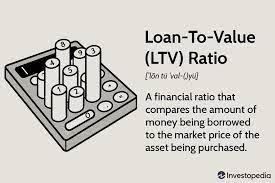
Loan-to-Value ratio, also known as LTV, is an important concept for lenders and borrowers alike. It is a tool used by lenders to determine how much money they are willing to lend on any given loan. The ratio is calculated by dividing the total amount of the loan by the appraised value of the property or collateral being used. For example, if you have a home that you’ve been approved for a $250,000 loan on and it appraises at $300,000, then your LTV would be 83%.

It is important that both parties understand this ratio when securing financing. By understanding this concept, borrowers can make informed decisions about how much of a loan they should apply for and which terms they should agree to. On the other hand, lenders use LTV as part of their risk assessment process to decide whether or not to approve a loan application. Generally speaking, the higher the LTV ratio, the higher risk it is for lenders, so they may require additional security from borrowers with high LTVs or even reject their application altogether.

A borrower’s ability to get approved for financing and attain more favorable terms usually comes down to two main factors: credit history and their LTV ratio. Generally speaking, borrowers with better credit scores might be able to secure financing even if their LTV exceeds 80%, though most lenders prefer ratios below 75%. Borrowers who want to decrease their LTV can do so through various means, such as increasing their down payment size or having someone cosign on the loan with them; however, these strategies can lead to unfavorable conditions in some cases, such as increased interest rates or shorter repayment periods due to increased risk being taken on by lenders. 

Lenders typically establish maximum allowed Loan-To-Value (LTV) ratios before approving loans, but it's important for borrowers - especially first-time home buyers - to remember that these limits are often fluid and subject to change depending on several factors, such as market conditions and economic trends.  Additionally, certain types of properties will also qualify for higher maximums than others, such as manufactured homes which may allow up to 97% maximum LTV versus 65% maximum LTV for single-family residences. Therefore it's always important to consult your lender before entering any agreement to ensure that all parties involved are aware of current regulations and requirements in order to avoid costly consequences down the line. 

Ultimately Loan To Value (LTV) Ratios play an integral role in managing risk associated with lending transactions and in helping both borrowers and lenders make informed decisions when seeking out financing options or approving applications, respectively. Therefore understanding this concept thoroughly is essential before beginning any type of serious financial relationship. With this knowledge comes greater control over long-term security, allowing both parties involved to become prosperous throughout each step of the process leading up to the closing day!

Everything Buyers Need to Know about Loan-to-Value Ratio

As previously mentioned, this ratio provides insight into the size of a loan that can be provided relative to the value of the property being used as collateral. It is expressed as a percentage and calculated by dividing the loan amount by the value of the asset being secured. For example, if a home is worth $200,000 and the buyer borrows $150,000, then their LTV would be 75%.

It is beneficial for buyers to become familiar with LTV because lenders use this ratio in order to determine whether they will extend financing. Generally speaking, lenders prefer lower LTV ratios because they offer a more negligible risk of foreclosure in case of default. However, homebuyers are also usually required to pay for private mortgage insurance (PMI) when their LTV ratio exceeds 80%. PMI can add an additional expense to home mortgages and cause monthly payments to increase significantly.

The maximum LTV ratio allowed for conventional loans often depends on both credit score and other factors such as debt-to-income ratio. For example, buyers with good credit may be able to obtain loans up to 95% of the property's value, while those with poor credit may only qualify for an 80% LTV loan. On FHA loans, buyers can typically secure financing up to 97%. The VA loan program does not require any down payment, which would give buyers 100% financing at a 0% Loan-To-Value Ratio. 

Additionally, some strategies allow homeowners who have already purchased their homes or who are refinancing them access higher loan amounts than what is available under standard conforming guidelines. These strategies include “cash out” refinances and second mortgages known as home equity lines of credit (HELOC). With cash-out refinances, homeowners can replace their existing mortgage with a new one that allows them to access up to 85% (or sometimes even 95%) of their appraised home value, depending on other factors such as credit score and debt-to-income ratio. As for HELOCs, these allow people access up to 90% of their equity but approval depends on several factors, such as creditworthiness and income stability, among others. 

All things considered, having sufficient knowledge about Loan-to-Value Ratios can help many potential borrowers get better terms on their mortgage loans or qualify for large loans that may not have been possible otherwise under standard conforming guidelines or through private lending institutions. Potential borrowers need to consider all factors before making any decisions about taking out a loan or refinancing an existing one since it could affect their long-term finances in profound ways, both positively and negatively.

Questions You Should Ask About Loan-to-Value Ratio

It's crucial for buyers to understand the importance of this number before signing on for a loan, so here are some questions buyers should ask about the LTV ratio. 

The first question a buyer should ask about the Loan-to-Value Ratio is what their particular LTV ratio will be. A lender may have different LTV ratios for different types of borrowers and in different situations. For example, if they qualify for an FHA mortgage loan, their LTV could be as high as 96.5%, while conventional loans may have lower limits. Knowing what your LTV will be at the outset can help you plan your budget accordingly. 

The second question buyers should ask about Loan-to-Value Ratio is whether there are any restrictions associated with their particular loan type and LTV ratio. For example, some types of loans, like jumbo mortgages or adjustable rate mortgages, often come with certain restrictions placed on them by lenders in an effort to mitigate risk. Knowing these restrictions ahead of time can help buyers make informed decisions when shopping around between lenders or deciding which type of loan would best suit their needs. 

The third question buyers should ask about Loan-to-Value Ratio is whether they’re able to take advantage of any special incentives offered through lenders, such as reduced origination fees or discounted closing costs associated with higher LTV ratios. Buyers should also inquire if there are any additional costs associated with securing an above-average LTV, such as private mortgage insurance (PMI). This type of insurance helps protect lenders from losses if a borrower defaults on their loan and can add significant costs to monthly payments in some cases. 

Lastly, buyers should ask how long their particular Loan-to-Value Ratio will last and if it can change over time due to market fluctuations or other factors beyond their control. This can help them gain peace of mind knowing that they won't be faced with unexpected changes after signing on the dotted line that could impact their monthly payments or the overall cost of the loan down the line. 

Overall, understanding your Loan-to-Value Ratio prior to taking out a mortgage loan and asking questions related to it can go a long way toward ensuring that you make sound financial decisions during this process and secure an affordable home loan that works best for you and your situation both now and in the future. In addition, taking steps like researching your options beforehand and making sure you’re comfortable with specific terms associated with each potential lender ensures that you’ll find one that meets all your needs without running into unnecessary surprises later down the road.

Will Foster
Are Bi-Weekly Mortgage Payments a Good Idea?

Have you ever wondered if there are any alternatives to monthly mortgage payments?

If so, you’re in luck! There are some mortgage providers who offer bi-weekly mortgage payments. And yes, they function exactly as they sound! While the monthly mortgage payments system has individuals making monthly payments, the bi-weekly process allows the borrowers to make payments every two weeks.

If you are new to the concept and want to discover more about bi-weekly mortgage payments, then you have landed in the right place. Let’s take a few moments to review the bi-weekly mortgage payment process in greater detail.

How Do Bi-Weekly Mortgage Payments Work?

Based on the introduction, you might already have a basic idea about how bi-weekly mortgage payments work, right?

But let's see the deeper definition of it. Considering there are 52 weeks in a year, you pay 26 times a year by making a payment every two weeks. The mortgage payments are usually distributed among 12 monthly slots, but if you decide to opt for the bi-weekly mortgage payment system, you pay half of the monthly mortgage payment. In the end, you make 13 months full payment a year.

Seeing all these calculations, you might be wondering what difference it makes when you’re only submitting an additional payment each year. 

The truth be told, this shortens your repaying time period to a great extent. For example, the difference can be as noticeable as a good four years in a 30-year long mortgage. So as you can see, it makes a considerable difference in the long-term. 

The Benefits of Bi-Weekly Mortgage Payments

Shall we have a look at the benefits of considering the bi-weekly mortgage payment system as a potential repaying option?

  1. Saves Paying More Interest

    The higher the borrowed amount and the interest rate, the more you will be saving. Since an additional mortgage payment is made every year, it is added to the principal amount of the loan. The quicker that the total amount of the loan is reduced, the more you will be saving from paying in the interest.

    To some, making bi-weekly mortgage payments means a higher cash outflow. But, if you consider the effects it will have in the long run, you’ll see that you are actually reducing the cash outflow. Doesn’t that seem like a much smarter method?

  2. Repaying the Mortgage Faster

    Who doesn’t like to get over with the loan lingering over their head quickly? Now when paying the whole amount immediately is not an option, seeking out alternative ways to quickly reduce and pay off your loan amount is the natural next step. Hence, a bi-weekly payment is an excellent option to smoothly and quickly get done with your more mortgage loan payments.

  3. Home Equity is Built Sooner

The extra payment every year adds up and allows the borrower to own the house sooner. Isn’t that what we all need?

The more you pay, the more portion of the house you will own. It's a technical way of evaluating that the more you pay, the quicker you will be eligible to own the house. So it comes as a fascinating idea to pay your mortgage payments via the bi-weekly method.

Who Should Opt for Bi-Weekly Payment?

When talking about the benefits that bi-weekly payments provide, you might find yourself wondering who it suits the best, right? Well, the answer is everyone! However, if you don't want to rely on this vague answer, then we have a streamlined one for you as well.

Bi-weekly payments are best suited for people who are smart and want to save in the longer run. If that sounds good to you, then this mortgage payment system is for you, my friend!

On a serious note, as we mentioned earlier, bi-weekly payments could significantly reduce the loan period enabling you to pay off the loan more quickly. However, it also helps you save on interest and stress too. But, if you are still unsure, then here are some factors that will help you make a better-informed decision:

  • What are your debts?

    Your current debt situation is likely to determine your choice of bi-weekly mortgage payments. For example, if you think you have a lot to pay already on your existing loans and two additional mortgage payments will be difficult for you to manage, you might not opt for it.

    However, if you think you have too many debts to manage, bi-weekly mortgage payments might come as a breath of fresh air since they will allow you to quickly get done with at least one loan.

  • Do you have the emergency fund sorted?

    There is no point in making mortgage payments every two weeks if you don't have an emergency fund set aside for rainy days. But as soon as any unexpected situation arises, you will find it hard to juggle between bearing your living expenses and making bi-weekly mortgage payments.

Omaha Mortgage Guy

Omaha is a lovely place to own a house and settle down. However, if you are having difficulty managing the mortgage for your house, then look no further. The reason is, we at Omaha Mortgage Guy have got you fully covered!

Unlike other lenders, we don't leave you to suffer. If you choose our services, we will dedicate ourselves to helping you find the best financing options, ensuring that those options will be considerate of your current financial position so that you can find the perfect house for you at the perfect price and interest rate.

Final Thoughts

The bi-weekly mortgage payment method definitely has so much good to offer. However, it’s crucial that you’re informed of all your options and that you fully understand the ins and outs of this repayment method so that you can make the best decision for yourself and your financial situation. Please consider all factors, including the pros and cons, to see if you are in the right position to opt for bi-weekly mortgage payments.


Author Bio

Will Foster | First State Bank Mortgage Senior Loan Officer

I became a mortgage lender in 2010, right after the "bubble" popped, and the mortgage industry underwent an incredible transformation. This has given me a unique advantage in the fact that I have never known anything other than the highly-regulated world we now live in.

Throughout my years of experience, my primary goal has been to keep up with the constant changes in the industry so I can help my clients investigate all of their options and maximize savings. In addition, because I specialize in Conventional, FHA, USDA, Jumbo, portfolio, and VA refinances and purchases, I can help a wider variety of individuals, families, and investors identify and secure the right loan to best suit their future interests.

The mortgage process can be a little confusing and even overwhelming these days with all of the regulations.  I guide my clients through the process from start to finish, and I try and make it as painless and hassle-free as possible.

How helpful did you find the blog? Also, what are your two cents over bi-weekly mortgage payments? Do you think it’s a good idea?

Will FosterComment
First-Time Home Buyers Checklist

So you’ve decided it’s time to buy your first house, but you’re still a little anxious and unsure about what steps you need to take next. Then read on; you are in the right place!

The ache for a home lies in all of us, and finally, being able to buy your own house after years of hard work is a monumental moment to cherish. However, it can be nerve-wracking to search miles for the house of your dreams, and the process of buying it is a whole other workout. To help out all newbies entering the world of real estate, we have compiled a short first time home buyers checklist below that can make your journey a lot easier:

  1. Start Saving Early

    Buying a home requires a good amount of money, especially if you’d to put down a significant down payment. The earlier you start saving for your future home, the better position you’ll be in when you find the home of your dreams. Start limiting your extravagant expenses and try to adopt a minimal lifestyle if you wish to buy a home five or even ten years from now. With buying a house comes endless additional costs such as that down payment, mortgage, lease, and repairs after you buy it.

  2. Get Pre-Approved for Loan

    Getting pre-approved is a productive and smart move and can make you a potential buyer. On top of that, many sellers do not prefer people who are not mortgage pre-approved. Getting pre-approved makes you more credible and trustworthy in the eyes of sellers, ensuring that you are capable of paying for the house and completing the sale. Lenders need to check your credit and financial particulars to evaluate the amount of loan you deserve to get. However, you need to stay in constant communication with your lender because pre-approval usually lasts for 60-90 days.

  3. Don’t Forget to Set Your Budget

    Before searching for your dream house, you need to set a budget and strictly bind yourself within it. Budgeting allows you to monitor your savings and expenses and estimate the amount you can save up easily to pay your mortgage payments. In some cases, your lender may approve you of getting a loan above your expectations. However, that does not mean that you have to get a larger loan. Before getting a loan, stay within your budget, keeping in mind that you will have to pay for it later along with your food and living expenses. Buying a home within your comfort zone deprives you of stress and anxiety of a heavy investment failure and will lower your financial burden later on.

  4. Be Careful While Choosing A Real Estate Agent

    Be careful while choosing a real estate agent. A professional real estate agent can be a lifesaver when it comes to the complicated intrinsic process of buying property, especially for first-timers. An authentic and experienced real estate agent can look up the market to find the perfect home for you according to your family size and budget. Real estate agents make the paperwork and the process of preparing numerous documents easier for the clients. They also help negotiate the different costs and recommend the perfect place and communities to live in.

  5. Find A House According to Your Needs

    Before asking your agent to survey the market, decide which type of house suits you. Think about whether you are buying a house for the time being or a permanent abode for your family to live in happily ever after. You may want to choose how much square foot of space is enough for you and your family. For example, if you are young and single, a small cozy apartment could be more than enough. On the contrary, you will need an independent unit and a larger space if you wish to expand your family. Similarly, families with kids prefer having a backyard for the children to play in. Having a set goal for your future home can get you straight to the type of house you are looking for.

  6. Consider Buying Fixer-Upper

    Sometimes opting for a fixer-upper makes for a good bargain. Fixer-uppers are usually independent units that need fixing and repairs. Fixer-upper sellers are easy to negotiate with and are already selling at a much lower price. However, do look for any potential faults. For example, a house with some broken doorknobs and cabinets, unwhitewashed walls, and ceilings needing touch-ups is good enough to buy. You will not need to spend a lavish amount of money to make it liveable. You can still save a handsome amount buying fixer-uppers as compared to a brand new ready-to-move-in house.

  7. Invest in House Inspection! It’s Worthy!

    Even a flawless-looking house of your dreams can have many hidden faults. It is always wiser to hire a professional house inspector to have a detailed check-up of the property, looking for intricate details such as the build of walls and ceilings, strength of the boundary, insulation system, quality, and age of plumbing systems. You can also ask them to do a detailed inspection of the appliances such as the oven, radiators, dishwashers, etc. Not hiring an inspector can make you face many unexpected repairs that can be harsh on your pocket.

  8. Set Your Priorities Straight

    Before searching for a house, set your priorities straight. Make a checklist of the features you are looking for in your dream house and those you can not compromise upon within your budget. While visiting different options, many people get awestruck and admire a certain feature, overlooking many flaws. For example, a house having a luxurious interior but lacking a parking lot should not be an option. So keep your emotions in check and make your approach practical because you don't buy a house every day! 

    Also, have a keen eye on minor details such as the strength of doors and windows, traffic in the area, mobile signals, clean water supply, air, and sunlight inlets and ventilation systems. All these features are easy to ignore but crucial for our daily activities. For example, having jammers in the surroundings can cut you off from the internet, which is not affordable in today's virtual world. Buying a house with minimal or no ventilation system and storage space is also not negotiable. Paying attention to these minor details can save you from getting into a trap.

Final Thoughts

Home is the nicest word that exists. Unfortunately, many individuals decide to avoid the process as it can seem confusing, frustrating, and overwhelming when you’re first exploring the idea. However, Omaha Mortgage Guy has got your back. We are a team of dedicated professionals working on making the path easier and smoother for people.

Get in touch with Omaha Mortgage Guy right now, and let's get started to have a serene mortgage lending experience.

Author Bio

Will Foster | First State Bank Mortgage Senior Loan Officer

I became a mortgage lender in 2010, right after the "bubble" popped, and the mortgage industry underwent an incredible transformation. This has given me a unique advantage in the fact that I have never known anything other than the highly-regulated world we now live in.

Throughout my years of experience, my primary goal has been to keep up with the constant changes in the industry so I can help my clients investigate all of their options and maximize savings. In addition, because I specialize in Conventional, FHA, USDA, Jumbo, portfolio, and VA refinances and purchases, I can help a wider variety of individuals, families, and investors identify and secure the right loan to best suit their future interests.

The mortgage process can be a little confusing and even overwhelming these days with all of the regulations.  I guide my clients through the process from start to finish, and I try and make it as painless and hassle-free as possible.

Will Foster
All About Reverse Mortgages

So what exactly is a reverse mortgage?

Basically, it’s a loan. Any homeowner 62 years of age or older who has considerable equity in their home can borrow against that equity and receive money either in the form of a lump sum, a fixed monthly payment, or even as a line of credit.

A reverse mortgage, however, is much different than a normal ‘forward’ mortgage. In a forward mortgage, one makes payments toward the purchase of a house. In a reverse mortgage, you don’t make any payments, in a sense, the payments are made to you.

Here’s the tricky part, a reverse mortgage is set up in a way so that once the owner dies, sells, or permanently moves away, the entire debt of the mortgage is due. The reverse mortgage is structured in such a way however that ensures that the loan amount doesn’t exceed the value of the home so that the borrower or the estate of the borrower won’t be left responsible for making up the difference. 

It can become a major issue if the borrower lives a long time and/or the value of the property drops which could certainly happen for various reasons.

The reality is most seniors have any accumulated wealth tied up in their home. For most Americans, it’s the only true wealth they will accumulate. A reverse mortgage allows them to utilize that wealth when they need it most. 

Unfortunately, these loans can be expensive, they are often complex, and there are many scams that target the elderly tied in with these types of loans. This article will provide you with the basic knowledge you need to help you steer clear of those scams and make a wise and informed choice about a reverse mortgage.


In just the first quarter of 2019, the National Reverse Mortgage Lenders Association estimated that homeowners aged 62 or older held an astounding $7.14 trillion in home equity. These measurements began in 2000 and this marks the highest it has ever been since then. This reveals just how huge a source of wealth this is for seniors. 

The problem is home equity is only useable wealth if you downsize, sell the home or borrow against the equity in the home. For retirees with limited incomes and few assets, a reverse mortgage is a perfect tool to allow them to tap into that equity and use it to live on.

A reverse mortgage allows any homeowner over the age of 62 to stop making mortgage payments and begin to receive payments either monthly or in the form of a line of credit from the equity they have in their home. These mortgages are federally insured and perfectly safe.

The truth of the matter is however that reverse mortgages can be a great choice for some and a terrible choice for others. Before you decide to get a reverse mortgage, you really need to understand exactly what they are and how they work.

Because the homeowner is no longer making payments and is now in fact receiving payments from the home’s equity, they are still required to pay the interest on the remaining balance on the original mortgage. This interest is just rolled into the loan, so as I’m sure you now can see, the homeowner is going deeper into debt across the life of the reverse mortgage as the homes equity decreases.

Just like traditional mortgage loans, the property itself is the collateral for the loan. So when the homeowner moves or dies, the proceeds from the sale of the home go to pay off the remaining balance on the mortgage. If there is anything left after the mortgage is paid off, then the excess goes to the homeowner, or, in the case that they have passed on, it goes to their estate. 

The Internal Revenue Service actually considers the money received by the homeowner during a reverse mortgage to be a loan advance, therefore there is no tax required on the money the homeowner receives. 


There are three different types of reverse mortgage loans available today. The first one we will discuss and the most popular one by far is called the home equity conversion mortgage or HECM. Virtually all reverse mortgages on properties under $765,000 are home equity conversion mortgages. Because this is the most popular we will focus on it for the duration of this article. If your home happens to be worth more than $765,000 then you could look into what is referred to as a jumbo reverse mortgage also at times called a proprietary reverse mortgage.

There are six different ways you can receive your funds when you take out a home equity conversion mortgage or reverse mortgage. These methods of payment include:

-Lump-sum: If you go with a fixed interest rate reverse mortgage this is your only option for payment. You will receive all the money you can get all at once.

-Equal monthly payments or annuity: The main requirement for this payout is that the homeowner must reside in the home for the entirety of the reverse mortgage. This one is also referred to as the tenure plan.

-Term payments: The lender gives the homeowner equal monthly payments for a set amount of time like say 15 years.

-Line of credit: The net amount is set up as a line of credit that the homeowner can use as needed when needed.

-Term payments and line of credit: As the name implies, this is a set up of monthly payments as well as a line of credit that the homeowner can use as needed.

The standard rule is that most banks won’t consider a reverse mortgage unless you have at least 50% equity in your home. Anything less than that, in most cases, will disqualify you.


A reverse mortgage may seem a lot like a home equity loan but as mentioned there are some very large differences between the two. First off, with a home equity loan, you’ll have to have an income and make monthly payments plus you’ll need to have good credit. With a reverse mortgage, there’s none of that. You make no monthly payments and you do not need an income. The property is the collateral and the bank is basically paying you your equity in one form or another.

Both loans do, however, allow the homeowner access to the equity built up in the home. With a reverse mortgage, you will still need to take care of the property tax, insurance, and home maintenance but you can pay for that with the equity payments you will be getting. For many seniors, however, this type of loan allows them to stay in their homes and out of the senior care facility.

Even if you live in a townhouse, condo, or manufactured home (built on or before June 12, 1976, you likely qualify for one of these loans. According to the federal housing commission, however, people living in cooperative homes do not qualify as they technically do not own the property that they are inhabiting. 

Other requirements include an upfront origination fee, a full years insurance premium, loan servicing fees, and interest as well the ongoing insurance for the property. However, to avoid fraud, the federal government limits how much lenders can charge for these items.

Another key feature is, in case of the death of the homeowner, the lender must allow the family several months to decide if they wish to pay off the loan and keep the house or allow the lender to sell the house to pay off the mortgage. In the case of the selling of the house not covering what’s due on the loan, the lender is not allowed to come after the family for the balance due. 

The department of housing and urban development does require every homeowner who wants to get a reverse mortgage to complete a HUD-approved counseling session which normally costs around $125.  The session is normally less than 90 minutes long and goes over all the key points about a reverse mortgage so the elderly homeowner will understand what they are getting into. One of the key points made is the requirements of the homeowner which includes staying current with the homeowner’s insurance and property taxes as well as if they live away from the property for more than a year, they must pay the loan back which usually means they lender sells the home. 

In 2017 HUD increased the insurance premiums from .5% to 2%. This was done to help protect the banks and lenders should the property lose value or the homeowners uses more than the equity can cover, thus leaving the lender holding the bag on the unpaid part of the reverse mortgage.

Keep in mind it’s a great idea to apply for a reverse mortgage with multiple lenders before you pick the one you want. That way you can get the very best deal for yourself depending on what your specific needs are.

Author Bio

Will Foster | First State Bank Mortgage Senior Loan Officer

I became a mortgage lender in 2010, right after the "bubble" popped, and the mortgage industry underwent an incredible transformation. This has given me a unique advantage in the fact that I have never known anything other than the highly-regulated world we now live in.

Throughout my years of experience, my primary goal has been to keep up with the constant changes in the industry so I can help my clients investigate all of their options and maximize savings. In addition, because I specialize in Conventional, FHA, USDA, Jumbo, portfolio, and VA refinances and purchases, I can help a wider variety of individuals, families, and investors identify and secure the right loan to best suit their future interests.

The mortgage process can be a little confusing and even overwhelming these days with all of the regulations.  I guide my clients through the process from start to finish, and I try and make it as painless and hassle-free as possible.

Will Foster