Everything You Need To Know About Loan-To-Value Ratio

Loan-to-value ratio (LTV) is a commonly utilized term in real estate. But what is the meaning of LTV exactly, and how does your loan-to-value ratio impact the mortgage lending process?

The short answer is that loan-to-value ratio is a figure that’s frequently used by lenders as a way to assess any risks that might be inherent to lending to you. The loan-to-value ratio is among several factors that determine home mortgage rates. Other considerations include the prime rate, your credit score, the individual lender and the property type.

Here, we’ll take a closer look at what LTV refers to in real estate, how to calculate it and the potential impact it has on your mortgage.

What Is The Loan-To-Value Ratio?

The loan-to-value ratio (LTV) is a figure used by lenders to assess the risk associated with lending to an individual. It is calculated by dividing the loan amount by the appraised value or purchase price of the property. The higher the LTV, the more risk for the lender: if there is default on payments,Loan-to-value ratio (LTV) plays an important role in the mortgage lending process. Understanding what it is and how lenders use it to assess risk can help you get the best terms for your home loan. Taking steps like making a larger down payment or improving your credit score can help lower your LTV, which may result in better loan terms. It’s also important to research lenders and compare offers before committing to a mortgage. Doing so can help you find the best deal for your financial situation.

Loan-To-Value (LTV) Ratio Vs. Combined Loan-To-Value (CLTV) Ratio

The loan-to-value ratio (LTV) and the combined loan-to-value (CLTV) ratio are two important measurements that lenders use to assess risk in a mortgage application. The LTV ratio is used to measure the amount of a loan as a percentage of a property’s value, while the CLTV looks at the combined total of all mortgages secured by a property in relation to its value. CLTV includes both first and second mortgages against one piece of real estate, while LTV only looks at one mortgage. Both ratios are important factors that lenders use when determining whether or not to approve a home loan.

How To Calculate Loan-To-Value Ratio

The loan-to-value ratio is calculated by dividing the total amount of the mortgage loan requested by the appraised value or purchase price of the property.  For example, if a borrower is requesting a $250,000 mortgage loan to buy a home that has an appraised value of $300,000, then their loan-to-value ratio would be 83.3%.

Loan-To-Value Ratio Impact On Mortgage Rates

The higher a borrower’s loan-to-value ratio, the more risk they present to the lender. As a result, borrowers with higher LTV ratios are typically charged higher interest rates and fees than those with lower LTV ratios. However, the exact impact of an individual borrower’s LTV on their mortgage rate can vary depending on other factors such as their credit score and prime rate.

The final step in understanding how to use Loan-to-value ratio (LTV) is taking action. To ensure you get the best deal on your home loan, consider making a larger down payment or improving your credit score, which can help lower your LTV. It’s also important to research lenders and compare offers before committing to a mortgage, so you can find the best deal for your financial situation. By taking the time to understand how Loan-to-value ratio works and using it to your advantage, you can ensure a successful home loan experience.

How Lenders Use Your LTV

Lenders use loan-to-value ratio to assess the risk associated with a borrower. Generally speaking, the higher the loan-to-value ratio, the more risk a borrower poses to the lender. As such, lenders use this metric to help decide on certain aspects of a home loan application, such as whether or not to approve it, as well as what interest rate and fees to charge. Additionally, a high LTV can add extra requirements for loan eligibility, such as mortgage insurance.

Taking steps like making a larger down payment or improving your credit score can help lower your LTV, making it easier to qualify for a loan and potentially secure better terms. Additionally, researching lenders and comparing offers is an important step that can help you get the best rates and fees on your mortgage.

What Is A Good LTV Ratio For A Mortgage?

A good loan-to-value ratio for a mortgage can vary depending on the individual borrower’s situation and financial profile. Generally speaking, lenders prefer that borrowers have an LTV ratio of 80% or lower when applying for a mortgage. This means that if a borrower is seeking to borrow $250,000 to purchase a home with an appraised value of $300,000, they should aim to make a down payment equal to at least 20% ($60,000). Making a larger down payment can help lower the LTV and could potentially result in more favorable terms and conditions on the mortgage.

Loan-To-Value Ratio Rules By Loan Type

When it comes to LTV rules by loan type, different lenders may have different policies in place. Generally speaking, though, most lenders will require that borrowers have an LTV ratio of 80% or lower when applying for a mortgage. This means that if you are requesting a $250,000 loan to purchase a property with an appraised value of $300,000 then you should aim for at least 20% down payment ($60,000). Additionally, making a larger down payment can help lower your LTV and may result in better terms and conditions on your mortgage.

Other lenders may also set their own specific requirements depending on the type of loan being applied for. For example, many lenders require higher LTV ratios for jumbo loans because they are considered higher risk due to their larger size. Furthermore, some lenders may require private mortgage insurance (PMI) from borrowers who have high LTV ratios on conventional mortgages.

Additionally, there are certain government programs such as FHA loans that allow for 97% financing (3% down payment), which is much higher than other types of loans. However, these loans often come with additional restrictions such as minimum credit scores and debt-to-income ratios which must be met before approval can be granted.

Finally, it’s important to remember that Loan-to-Value ratio rules by loan type vary from lender to lender so it’s always best to shop around and compare offers before committing to a mortgage so you can find the best deal for your financial situation. By understanding how Loan-to-Value ratio works and using it wisely when applying for a home loan you can ensure that you get the best deal possible while avoiding unnecessary risks associated with high LTV ratios.

Conclusion

The bottom line on loan-to-value ratio is that it is an important metric for lenders when assessing a borrower's risk. Generally speaking, the lower the LTV, the more attractive the mortgage terms, with higher down payments and better interest rates. Additionally, lenders may require different LTV ratios depending on the type of loan being applied for and even set their own requirements based on a borrower's financial profile.

It is important to note that no matter what kind of loan you are applying for or your financial situation, having an LTV ratio of 80% or lower can help make your application more attractive to lenders. Making a larger down payment or improving your credit score can also help you secure better terms and conditions when applying for a home loan. Ultimately, researching lenders and comparing offers is one of the best ways to find a mortgage that works best for you while avoiding any unnecessary risks associated with higher LTV ratios.


Will Foster
Can I Make Principal-Only Payments On My Mortgage?

After purchasing a home, you must begin chipping away at your mortgage loan. Depending on the term, you may be looking at 30 years of fixed payments, made up of principal and interest. This may leave you wondering how you can pay it down faster. One option is to make additional principal-only payments. Tacking on these extra payments can sometimes help with interest and shorten the mortgage's lifespan, but are they right for you? 

This article will tell you the essential information you need to know about principal-only payments, and how it can help you pay down your mortgage faster.

What Is A Principal-Only Payment?

A principal-only payment is an additional payment made in addition to your regular mortgage payments, which only goes towards the loan’s principal balance. This type of payment can be a one-time or ongoing, and it helps reduce the overall cost of the loan by reducing its principal balance more quickly than regular payments would. With each successive payment, the amount of interest that must be paid on the loan decreases.

How Can Making Additional Principal Payments Help?

Making additional principal payments can help to reduce the amount of interest that you pay over the life of the loan. This is because with each payment, a larger portion goes towards paying down the principal balance, rather than simply towards interest. As the principal balance decreases, the amount of interest that must be paid on the loan decreases as well. This can result in substantial savings over the life of the loan.

For example, if you were to make a principal-only payment of $200 on top of your regular mortgage payment each month, over the course of 10 years you would save nearly $9000 in interest payments and pay down your loan balance by more than $25,000.

Do Large Principal-Only Payments Reduce Monthly Payments?

Large principal-only payments can reduce monthly payments, but this depends on the total term of the loan and how often these payments are made. Generally, if a large principal-only payment is made as a one-time lump sum, it will reduce the loan balance immediately, resulting in a lower monthly payment.

However, if principal-only payments are made on an ongoing basis, the monthly payment will not be reduced. This is because the loan term and interest rate remain the same, so when a principal-only payment is made each month, it simply reduces the total amount of interest that must be paid over the life of the loan.

How To Make A Principal-Only Mortgage Payment

Making a principal-only payment on your mortgage is a great way to save money and pay off your loan faster. To make a principal-only payment, you must first contact your lender or mortgage servicer and request an additional payment option. Depending on the lender, you may be able to make a one-time lump sum payment or ongoing, periodic payments.

Once the payment is set up, you can make your principal-only mortgage payment through a variety of methods, including online banking transfers, checks sent in the mail, or paying directly at the lender’s office. When making your payment be sure to specify that it is for principal-only and not for interest.

Pros And Cons Of Additional Principal-Only Payments

Pros-

Making additional principal payments can offer some significant benefits that can help save money and pay off the loan faster. One of the primary advantages is that it can help reduce the amount of interest paid over the life of the loan. Because a large portion of each payment goes directly to reducing the principal balance, less interest will accumulate in comparison to regular payments.

Additionally, principal-only payments can help reduce the overall cost of the loan by shortening the term. By making large principal payments more frequently, you can pay off your loan earlier and avoid paying interest over a longer period.

Cons-

Unfortunately, there are some risks associated with making additional principal payments that should be considered. One of the primary disadvantages is that if you are unable to make regular payments on time or need to access funds, you may not be able to borrow against the loan or tap into any equity that has built up in your home.

Also, if you find yourself in a financial bind and need to reduce your monthly payments, making additional principal payments may not be an option. This is because the loan term and interest rate remain the same, so additional payments will not result in lower monthly payments.

Alternatives To Making Extra Principal-Only Payments

If making extra principal-only payments is not an option to reduce your monthly payments, there are other alternatives available. A popular alternative is refinancing the loan with a new lender or mortgage servicer who offers a lower interest rate or longer loan term. Refinancing can help lower the monthly payment on a loan by reducing the interest rate, extending the loan term, or a combination of both.

Another option is to obtain a loan modification from your lender. A loan modification can change the terms of a loan such as the interest rate, principal balance, or even the length of time you have to pay back the loan. This may reduce your monthly payment and help make it more affordable.

Finally, if you want to reduce your monthly payments without refinancing or modifying the loan, you may consider applying for forbearance or deferment with your lender. This will temporarily lower or suspend the payment due on a loan while keeping it in good standing.  These options are only available in certain circumstances and require approval from the lender.

Conclusion

Making a principal-only payment on your mortgage is an excellent way to save money over the life of the loan and pay it down faster. However, it's important to understand the risks. Before making additional payments, always check with your lender to make sure that you are doing it correctly. You should also consider the financial implications before making a large principle-only lump sum payment, as it may not reduce your monthly payments but will still help you save money on interest in the long run.

Will Foster
A Guide To Good Faith Estimates

A Guide To Good Faith Estimates Vs. Loan Estimates

One standardized document you receive when you buy or refinance a home is the Loan Estimate. We’ll guide you through the finer points of the Loan Estimate and how it can empower you to be a more informed borrower.

What Is A Loan Estimate Or Good Faith Estimate?

A Loan Estimate, or Good Faith Estimate, is a standardized form that outlines the terms and conditions of a home loan. It was created as part of the Dodd-Frank Wall Street Reform and Consumer Protection Act in 2010 and is issued by lenders when applying for a mortgage loan. A Loan Estimate provides borrowers with important information such as the estimated loan amount, interest rate, closing costs and other fees associated with obtaining a mortgage.

What’s The Difference Between A Loan Estimate And Good Faith Estimate?

The two terms—Loan Estimate and Good Faith Estimate—are often used interchangeably, but there is a subtle difference between them. A Loan Estimate is a form used by lenders to provide borrowers with an estimate of the costs associated with obtaining a mortgage. The Good Faith Estimate, on the other hand, is an estimate of closing costs provided by the lender prior to loan application and was used before the Loan Estimate became available in 2015.

Does Getting A Loan Estimate Mean You Are Approved?

No, getting a Loan Estimate does not mean that you are approved for a loan. The Loan Estimate is simply your lender's way of providing you with an estimate of the costs associated with obtaining a mortgage. It is important to understand that the figures provided in the Loan Estimate are just estimates and may not reflect the actual terms and conditions of the loan once it has been approved. Additionally, getting a Loan Estimate does not guarantee that you will be approved for the loan. It is simply an estimate provided by your lender to help you better understand the costs associated with obtaining a mortgage.

What Items Appear On A Loan Estimate?

The Loan Estimate is broken up into several sections that show how much the loan will cost you. The Loan Estimate is designed to be an easy read, with the most important information listed at the top. Let’s look at what the Loan Estimate covers:

The Basics

There will be a section with some basic contact information as well as information about the property you’re buying in the top left-hand corner. It’s important to make sure this matches up with the details of your transaction.

Date Issued- This will be the date your Loan Estimate became official. If there are any updates to your estimate as you go through the process, always make sure you’re looking at the most current version.

Applicants- This should be your current name and address. Make sure everything is correct to avoid having to make revisions later on.

Property- This is the address of the property the loan is for.

Sale Price- This will be included if it's a purchase transaction. Make sure it matches the amount shown in your purchase agreement.

Loan Overview

At the very top right-hand corner of the Loan Estimate, you’ll see a brief overview of your loan. This information should also match what you’ve discussed with your lender.

Loan Term- This is the amount of time over which you'll pay off your loan.

Purpose- This shows the purpose of your loan - whether it's to buy a home, refinance your mortgage, or get a home equity or construction loan.

Product- This shows the type of mortgage rate you’re getting. This may be a fixed rate, where the interest rate stays the same for the life of the loan, or an adjustable rate, where the interest rate changes at specified intervals after the initial fixed period. These are the most common options, but this section may show another type of loan product, depending on what you’re applying for.

Loan Type- This indicates the type of loan - for example, whether it's conventional or FHA.

Loan ID- The Loan ID number is the unique identification number for your Loan Estimate.

Rate Lock- This line goes over whether you locked your interest rate. If so, this tells you when the interest rate you’ve locked in will expire. A rate lock is a way of guaranteeing that your interest rate won’t change before you close your loan. If you have a rate lock on your loan, your Loan Estimate will show when it expires. If your rate expires, the rest of your loan costs can change along with your interest rate.

Loan Terms

Loan Amount- This is the amount you plan to borrow. Double-check the loan amount to be sure it’s what you had requested from your lender. Keep in mind that if you’re buying a home, the loan amount won’t necessarily equal the purchase price. If you’re putting money down, this number should be the purchase price minus your down payment and closing costs.

Interest Rate- The interest rate is the annual cost to borrow money from your lender. The rate shows the percentage of your total loan balance that you’ll pay each year. It’s paid for as part of your monthly mortgage payment.

This section also shows whether your interest rate is expected to change after closing. If it says “yes,” you’re signing up for an adjustable-rate mortgage (ARM). This section will show the highest your rate can possibly be in the event that interest rates were to rise. Make sure this section reflects what you’ve discussed with your lender.

Monthly Principal and Interest- This shows the principal and interest portion of your monthly payment. This may not reflect your complete monthly payment if your monthly payment will include mortgage insurance or escrow payments. If you have an adjustable rate, this will also change when your rate changes. Your maximum possible payment will be shown.

Prepayment Penalty- A prepayment penalty is a fee that some lenders charge if you pay off all or part of your mortgage early. Keep in mind that this doesn’t just apply to clients who come up with money to pay off their loan – it also applies to refinancing, which is a form of paying off your loan. Rocket Mortgage® doesn’t charge prepayment penalties.

Balloon Payment- A balloon mortgage is a short-term loan that includes smaller monthly payments for a set number of years followed by a large payment that covers the remainder of the principal. A balloon payment is typically due at the end of 5,7, or 10 years.

Projected Payments

Principal- Principal refers to the amount you’re planning to borrow. It’s divided into equal monthly amounts based on your loan term.

Mortgage Insurance- You may have to pay some form of mortgage insurance depending on the type of loan you’re getting and how much money you’re putting down or the amount of equity that’s left in your home. Mortgage insurance protects your lender if you stop making payments on your mortgage.

Estimated Escrow- Estimated escrow is an important part of your Loan Estimate. It’s a set amount of money you’ll pay each month to cover items like homeowners insurance, property taxes, and other fees. The lender will collect these funds each month and put them in a separate account called an escrow account. They’ll then use the funds in this account to pay your bills on time.

Costs At Closing

This section details all of the fees and expenses associated with closing on a loan. This includes items such as appraisal fees, taxes, title insurance, attorney fees and other expenses required to finalize the loan. The total amount of these fees will vary depending on the location of the property and other factors. You  will want to pay attention to the "Estimated Cash to Close" number as it will be the amount you'll need to cut a check for at closing.

Loan Costs

Origination Charges- These are fees charged by a lender for originating, or processing, a loan. These charges may include things like application fees, commitment fees, underwriting fees, and document preparation fees. The amount of origination charges can vary depending on the type of loan and the particular lender's policies.

Points- Points on a loan are fees charged by the lender for the loan. They are paid up front, and can be either one-time or recurring. Each “point” is equal to 1% of the loan amount. Points are primarily used to buy down the interest rate, which can lower your monthly payments.

Application Fee- An application fee is a fee charged by the lender when an individual applies for a loan. These fees can vary depending on the type of loan and the lender. Generally, application fees are not refundable and will be due up front.

Processing Fee- A processing fee is a fee charged by the lender to cover the costs associated with processing the loan. This includes things like reviewing credit reports, pulling title documents, and verifying income. The amount of this fee can vary based on the type of loan and lender policies.

Underwriting Fee- An underwriting fee is a fee charged by the lender for underwriting, or approving, the loan. This fee can vary depending on the type of loan and the lender. Generally, underwriting fees are due up front and are not refundable.

Services You Cannot Shop For

Services you cannot shop for are those that are required to be included in the loan, but are not available from other vendors. These services may include things like title insurance, credit report, appraisal fees and other services that must be provided by the lender. The cost of these services is typically included.

Services You Can Shop For

Services you can shop for are those services that can be provided by any vendor or provider. These services may include things like property surveys, pest inspections, and home inspections. You can shop around to find the best prices on these services and usually negotiate a better rate than what is offered in the loan estimate.

Prepaids- Prepaids are fees that must be paid in advance and at closing. They include items such as taxes, insurance, and interest that have been collected in an escrow account. The amount of prepaids can vary depending on the loan type and when the loan closes.

Other Costs

The Loan Estimate also covers taxes and other government fees, any prepaid items, the initial escrow payment at closing and other costs. These are all added together at the bottom of the “Other Costs” section.

Taxes and Other Government Fees- Taxes and other government fees are an important element of the loan closing process. These fees can vary depending on the type of loan, location of the property and other factors. These fees typically include taxes, recording fees and transfer taxes.

Other- The Other Costs section of the Loan Estimate form includes any other costs that must be paid at closing. These costs may include items such as attorneys’ fees, document preparation fees, mortgage insurance premiums and other costs associated with the loan.

Adjustable Interest Rate (AIR) Table-An Adjustable Interest Rate (AIR) Table is a tool used to help borrowers understand and compare the costs of adjustable rate loans. It shows the initial interest rate, the adjustment period and any caps that are in place. It also includes a chart showing how the interest rate and payments may change over the life of the loan.

This information can be used to help borrowers compare different adjustable rate loans and make an informed decision. It’s important to understand the terms and conditions of the loan before signing any documents.

Lender Information

The lender information section of a loan estimate is an important part of understanding the loan's terms and conditions. It includes information such as the lender 's name, address, phone number, and other contact information.

It also includes details about the type of loan being offered as well as any other special features or benefits that may be available. It's important to read through this section carefully and ask questions if anything is unclear.

Comparisons

Comparisons are an important tool when deciding on a loan. By comparing different loans, you can weigh the pros and cons of each option to see which one is best for your financial situation. The Loan Estimate form includes a section that compares the features of two or more loans side-by-side. This can help you make an informed decision about which loan is right for you.

Confirm Receipt

Applicants and co-applicants sign and date this section of the Loan Estimate. By signing, you only agree that you have received and understand the form. You don't have to accept the loan.

How Long Is A Loan Estimate Good For?

A loan estimate is generally valid for a period of 10 days from the date it is issued. This gives borrowers time to review and compare different loan options. It's important to remember that the estimated costs and terms on the Loan Estimate are subject to change if any information is inaccurate or changes during the loan process.

What Is A Closing Disclosure?

A Closing Disclosure is a five-page form that provides the final details about your mortgage loan and closing costs. It replaces the Truth in Lending Act disclosure and the HUD-1 Settlement Statement, which were previously used for this purpose. The Closing Disclosure includes information such as loan terms, monthly payments, interest rates, estimated closing costs and other fees associated with your loan. This document must be provided to you at least three business days before you close on the loan so that you have time to review it thoroughly and make sure everything is accurate.

Conclusion

Deciding on the best loan for your needs can be a difficult and confusing process. By understanding the different sections and components of the Loan Estimate form, you can compare loans side-by-side and make an informed decision. This will help you save money and get the best loan for your financial situation. Good luck!

Will Foster
Selling A House With A Mortgage: A Guide

Most people don’t have the money in their savings account to buy a home without some sort of financing, so it’s very common to have a home loan, but can you sell a house with a mortgage, and if so, how does the process work?

Can You Sell A House With A Mortgage?

Yes, it is possible to sell a house with a mortgage. The process of doing so is called “assumption of the loan” or “taking over the loan.” Typically, when someone sells their home, they pay off their existing mortgage and then transfer the title to the new owners. With assumption of the loan, you keep your existing mortgage in place and transfer ownership of the house to the buyer.

The buyer must qualify for the loan with the lender in order to assume it, so they will have to pass a credit check and meet all other necessary requirements. Assuming the loan can be advantageous for both parties as it can reduce paperwork and legal costs associated with a traditional sale.

How To Sell A Home With A Mortgage

Selling a house while paying off your remaining mortgage is incredibly common. Heres how you do it:

Find Your Remaining Loan Balance

When selling a home with a mortgage, it is important to determine the remaining balance of the loan. This amount will be transferred to the new owner upon the completion of the sale. To calculate this amount, subtract the total payments made from the original amount borrowed. For example, if you borrowed $200,000 for your mortgage and had paid $50,000 towards the loan, your remaining balance would be $150,000.

Find A Buyer Who Is Willing To Assume The Loan

Once you’ve established the remaining loan balance and have decided to sell a house with a mortgage, it is important to find a buyer who is willing to assume the responsibility of the loan. Generally, buyers prefer to assume a mortgage because they may be able to acquire a lower interest rate than what is available in the current market.

Determine The Right Time To Sell

When it comes to selling a house with a mortgage, timing is key. The right time to sell depends on a variety of factors, including the current market conditions, your personal financial goals and the amount of mortgage debt that you still owe.

If the current real estate market is hot, it may be wise to take advantage of the high demand and sell as soon as possible. On the other hand, if the market is slow, you may want to hold off until conditions improve in order to get a better price for your home.

Set A Fair Listing Price

There is no single number that can be used to determine a fair listing price for any property. Factors such as the condition of the home, its location, and current market conditions all need to be taken into account when setting a price. It is recommended that you consult with an experienced real estate agent or appraiser who can help you identify what would be considered a fair market value for your home.

Prepare Your House To Sell And Stage

When you're ready to sell your house, it should be a given to make sure it looks nice for potential buyers. Clean up the inside and outside of your house, fix any broken things, and decorate it nicely so people will want to buy it.

Cover Closing Costs

Selling a house with a mortgage is possible and can be beneficial for both the buyer and seller. Knowing your remaining loan balance, finding the right buyer who is willing to assume the loan, setting an appropriate listing price, preparing your house to sell and staging it properly are all key steps in this process. Additionally, you should keep in mind that closing costs may need to be covered by either party depending on what was agreed upon during negotiations. By considering these points when selling a home with a mortgage, you’ll have everything necessary to ensure a smooth transition of ownership while avoiding any potential issues along the way.

Sell The Home And Pay Off The Remaining Mortgage

Selling a home with a mortgage can be a complex process, but it is possible and can be very beneficial for both the buyer and seller. Once you’ve determined the remaining loan balance and have found a buyer who is willing to assume it, you should prepare your house to sell, set a fair listing price, and cover any necessary closing costs. Once the sale is complete, you should use the proceeds to pay off the remaining mortgage balance and any other outstanding debt associated with the home. After this is done, you can receive any additional money that was earned from the sale of your property.

Prioritize Your Finances And Prepare For The Future

Once the sale of your home is finalized, it’s important to prioritize your finances and prepare for the future. Depending on how much you earned from the sale of your home, you may have extra money available to save for retirement, pay off additional debt or invest in other opportunities. Make sure to consult with a financial advisor who can help you make the best use of your finances in the coming years.

Can You Sell A Home With Negative Mortgage?

Yes, it is possible to sell a house with negative mortgage. This situation occurs when the homeowner owes more on their loan than the current market value of their home, referred to as having negative equity or being “underwater”. Selling a house with negative mortgage can be complicated and there are multiple strategies available for homeowners in this situation.

The most common option is to try and negotiate with the lender for a loan modification or short sale. In a loan modification, the homeowner will have to renegotiate their current mortgage terms in order to reduce their monthly payments so they can keep up with them. Alternatively, the homeowner can do a short sale in which they accept an offer from a buyer for less than what is owed on the house and then the lender agrees to forgive that portion of the loan.

No matter which option you choose, it’s important to work closely with your lender so that you can ensure you are following all applicable laws and regulations. Additionally, it may be beneficial to seek professional guidance from a real estate attorney or financial advisor to help you make the best decision for your situation.

Conclusion

Selling a house with a mortgage is a complex process but it can be done if you have the right information and guidance. By understanding all of your options, preparing your house correctly, and working closely with both your buyer and lender, you can successfully sell your house and pay off any remaining mortgage balances. Good luck with selling your house!

Will Foster
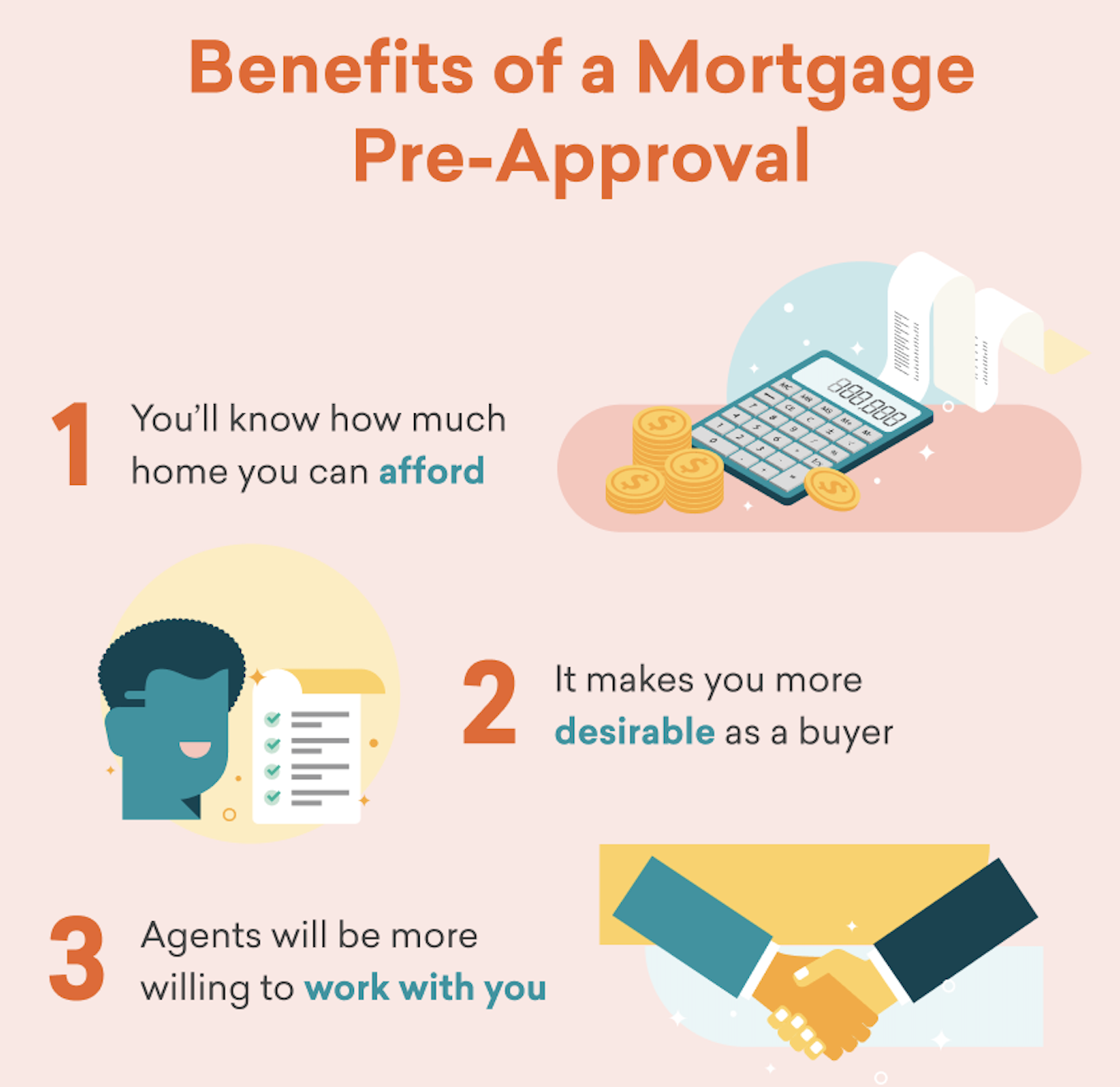
How Long Does A Mortgage Pre-approval Last

How Long Does A Mortgage Preapproval Last?

As part of the home buying process, you’ll have to get preapproved for a mortgage. Once you find a lender you trust and receive a preapproval letter, you’ll be able to make an offer on a home. But how long is a mortgage preapproval good for?

Depending on the lender, your credit and other factors, your mortgage preapproval will likely be good for about 2 – 3 months. Let’s take a look at what a mortgage preapproval is, how long the process takes and how long your mortgage preapproval will last.

What Is A Mortgage Preapproval?

A mortgage preapproval is an important step in the home-buying process that determines how much a lender can offer you when it comes to financing your home. With a mortgage preapproval, potential lenders are able to take a look at your credit history, financial assets and income to determine what kind of loan they can extend to you.

It’s important to note that a mortgage preapproval is not the same as a mortgage loan commitment or prequalification. A prequalification merely gives you an estimate of how much you may be able to borrow, whereas a preapproval is more comprehensive and involves in-depth evaluation of your finances by lenders.

What Is A Mortgage Preapproval Letter?

A mortgage preapproval letter is a document issued by a lender to a prospective borrower, outlining the terms of the loan they may be approved for. The letter outlines the maximum amount that can be borrowed, as well as any other conditions that must be met in order to qualify for the loan. It is an important step in the home buying process as it can give you an edge over other buyers who may not have a preapproval letter.

How Long Does It Take To Get Preapproved For A Mortgage?

The process of getting preapproved for a mortgage typically takes between two and four weeks, depending on the type of loan you are applying for. During this time, lenders will review your financial documentation and credit history to determine whether or not you qualify for a loan. In addition to providing basic information like income, assets, and debts owed, you may need to provide evidence that you are employed and proof of income such as recent pay stubs.

Once all your paperwork is in order and the lender has conducted an evaluation, they will be able to provide you with a preapproval letter outlining the terms of the loan that you may qualify for.

How Long Does A Mortgage Preapproval Letter Last?

A mortgage preapproval letter is typically good for 2-3 months, although the exact amount of time varies depending on the lender and your individual circumstances. During this period, the lender may update the preapproval letter as needed or request additional documentation from you. After this time has passed, you will need to reapply for a new mortgage preapproval in order to continue the home buying process.

How Many Preapproval Letters Should You Get?

When it comes to getting preapproved for a mortgage, it is generally recommended that you get at least two or three preapproval letters from different lenders. This will give you the opportunity to compare offers and select the one that best suits your needs. It's also important to remember that not all lenders may be able to offer you the same terms, so be sure to shop around and compare offers before making a decision.

When Should You Apply For Mortgage Preapproval?

It is best to apply for a mortgage preapproval as soon as you can. This will give lenders time to look over your financial documents and credit history, ensuring that all necessary information is gathered in order to make an informed decision regarding the loan. Applying too late or rushing through the process might mean missing out on the best terms available, so make sure to start the process early.

Conclusion

Mortgage preapproval is an important step in the home-buying process which helps determine how much a lender can offer you when it comes to financing your home. The preapproval process typically takes a few weeks and can be good for 2-3 months, depending on the lender, market conditions, and your individual circumstances. It’s important to stay in regular contact with your lender during this time and be prepared for any changes that may occur to ensure that your preapproval remains valid and up-to-date.

Will Foster
What Is Fannie Mae and How Do FNMA Loans Work?

Whether you’re in the market to buy a home, refinance a house or just follow the news, you’ve probably heard of Fannie Mae, otherwise known as the Federal National Mortgage Association (FNMA). You may even be aware that Fannie Mae plays a significant role in the housing market, even if you’re not fully familiar with how it works.

When choosing a mortgage, Fannie Mae is just one provider that may be available to you. Still, understanding how investors like Fannie Mae work will give you a better understanding of the housing market and the overall process associated with getting a mortgage.

What Is Fannie Mae?

Fannie Mae, or the Federal National Mortgage Association (FNMA), is a government-sponsored enterprise (GSE) that's been at the heart of the American housing market for more than 80 years. Created in 1938 by Congress, Fannie Mae's mission is to help create opportunities for homeownership and affordable rental housing for families across the United States.

Fannie Mae is a publicly traded company, and it's still a vital part of the mortgage market. The company buys mortgages from lenders, wraps them into securities that are then sold to investors, and guarantees payments for investors if borrowers fail to pay their loans. In other words, Fannie Mae helps keep the flow of money moving in the lending sector and helps create more affordable loan products for homeowners.

How Do Fannie Mae (FNMA) Loans Work?

As a lender, you can choose to offer Fannie Mae-backed mortgages, which are also known as FNMA loans. To qualify for an FNMA loan, your borrower must meet certain criteria established by Fannie Mae, such as maximum loan amount, credit score requirements, and debt-to-income ratio.

Once you have established the borrower meets these criteria, you can package the loan into a security that is then sold to investors on the secondary mortgage market. Fannie Mae will insure your loan for any potential losses in case of default. This reduces risk for lenders and investors, which helps to make FNMA loans a more attractive option.

Ultimately, Fannie Mae is an important player in the mortgage market that makes it possible for borrowers to get access to affordable home loans. If you’re considering an FNMA loan, be sure to do your research and work with a lender you trust. That way, you can get the best deal available to you and be on your way to homeownership. 

Fannie Mae Conforming Loan Limits

Fannie Mae Conforming Loan Limits play an important role in the mortgage market, as lenders must adhere to these limits when offering FNMA loans. The loan limits are determined by the Federal Housing Finance Agency (FHFA) and are updated annually.

The conforming loan limit is set at $484,350 for 2020 and applies to single-family homes in most areas of the country. Some counties, however, have higher limits depending on their home prices and local economies.

It's important to be aware of the conforming loan limits when you're shopping for an FNMA loan, as these limits may affect how much financing you can qualify for and what terms you’re offered. Be sure to speak with your lender about the loan limits in your area and whether you qualify for any higher amounts.

Fannie Mae Loan Requirements

Fannie Mae requires borrowers to meet certain criteria in order to qualify for an FNMA loan. Generally, these requirements include a minimum credit score, debt-to-income ratio and maximum loan amount.

Credit Score: The minimum credit score requirement for an FNMA loan is 620. However, lenders may still require a higher credit score depending on the borrower’s other qualifications.

Debt-to-Income Ratio: Fannie Mae requires borrowers to have a maximum debt-to-income (DTI) ratio of 45%. This means that your total monthly debt payments, including your mortgage payment, must not exceed more than 45% of your gross monthly income.

Loan Amount: The maximum loan amount for an FNMA loan is $484,350 in most areas of the country. However, certain high-cost areas may have higher limits.

Down payment: For second homes and investment properties, the down payment requirements are higher, but for a 1-unit primary residence, the down payment needed could be anywhere from 3% – 5%.

Reserves: Reserves represent the number of mortgage payments lenders want to see in your account in case you experience a loss of income or other financial hardship. Your reserves could be up to 6 months with a Fannie Mae loan, although 2 months is generally a good starting point.

Fannie Mae Mortgage Programs

In addition to its traditional mortgage products, Fannie Mae also offers a range of other programs to help borrowers. These include loan modification programs, foreclosure avoidance and homebuyer assistance.

Fannie Mae HomeReady® Mortgage: The HomeReady® mortgage program is designed for first-time or repeat buyers who have limited funds for a down payment. HomeReady® mortgages require a minimum 3% down payment and offer competitive mortgage rates for borrowers with lower credit scores or incomes.

Fannie Mae HomePath® Mortgage Program: The HomePath® program helps buyers purchase foreclosed homes owned by Fannie Mae. It offers discounted prices, flexible loan terms, and low down payment requirements.

Fannie Mae HomeStyle® Renovation Mortgage: The HomeStyle® renovation mortgage is a good option for borrowers who want to purchase an older home or a foreclosure and need financing for renovations. This loan offers up to 95% financing of the home’s value, including the cost of renovations.

Fannie Mae Refinow™ Program: This is a great option for homeowners looking to refinance their existing mortgage. The program provides several benefits, including lower interest rates, shorter loan terms, and no closing costs. It also allows borrowers to take out additional cash or equity from their home with a cash-out refinance. With the Refinow program, borrowers can save money on their mortgage and enjoy more financial freedom.

These are just some of the programs Fannie Mae offers to help buyers finance their homes. Be sure to do your research and talk with your lender about all of your options, so you can find a loan that works for you and your budget.

Mortgage Help Network

The Mortgage Help Network is an online platform that provides resources, guidance, and assistance to assist homebuyers and homeowners in navigating the complex mortgage process. The network works with qualified lenders, real estate professionals, and other industry experts to provide personalized advice and solutions for each individual situation. Through this network, borrowers can get access to the best loan options available and learn more about the various mortgage products, loan structures, and repayment strategies. With their help, borrowers can make informed decisions and find the right loan for their needs.

The Mortgage Help Network is a great resource for anyone looking to purchase or refinance a home. It can provide guidance on what steps to take and how to best prepare for the mortgage process. The network can also help borrowers understand their options and find the right loan program to fit their needs. With their assistance, homebuyers can be well-prepared for a successful mortgage application and purchase experience.

Tenant-In-Place Rental Program

The Tenant-in-Place Rental Program, offered by Fannie Mae, is an innovative and beneficial program for homebuyers. This program allows buyers to rent their home from the previous owner for a predetermined period of time, usually a year or two. During this rental period, the buyer can complete any needed repairs and make improvements to the home. This program can be a great way for buyers to get into a new home without having to move out of their current residence or deal with the costs associated with moving.

The Tenant-in-Place Rental Program is an excellent option for buyers who want to purchase a home that needs some work but don’t want to move out of their current residence. It can be a great way to get the home you want without having to pay for moving costs or take on too much risk.

Conclusion

Fannie Mae is an important part of the housing market, as it plays a role in providing affordable mortgages that help people become homeowners. Understanding how FNMA loans work and what the conforming loan limits are can help you make an informed decision about your mortgage choice. With the right information and lender, you can enjoy the benefits of homeownership with a Fannie Mae loan.

Will Foster
How Does Alimony Affect Your Mortgage?

Alimony And Your Mortgage: How To Qualify

At first glance, it might not seem like alimony payments and mortgage qualification  have anything to do with one another. However, you can actually use alimony payments as an income stream when applying for a mortgage to help you secure a home loan.

On the other hand, if you currently pay alimony to an ex-spouse, your lender considers these payments to be debt. Read on for more information about how to get a mortgage when alimony payments are a part of the equation.

Can Alimony Help You Qualify For A Mortgage?

Yes, alimony payments can help you qualify for a mortgage. When applying for a mortgage, lenders will take into account the total amount of income you make each month; this includes any alimony payments. By taking these payments into account, lenders can use that income as part of your overall qualification amount.


In order to use your alimony payments as income to help you qualify for a mortgage,  you must be able to provide documentation that the payments are reliable and consistent. Lenders typically want to see two years of payment history in order to consider them as part of your total income.

On the other hand, if you receive alimony payments, these do not count as income. This is because alimony payments are considered to be one-time payments or gifts, not a form of consistent, reliable income.

What If You Pay Alimony?

If you currently pay alimony to an ex-spouse, your lender will consider these payments as debt. When lenders calculate your debt-to-income ratio, they will take into account your monthly alimony payments. This can have a significant impact on your ability to qualify for a mortgage.

The good news is that lenders may be willing to overlook this debt depending on the circumstances; however, you’ll need to talk to your lender about your particular situation in order to determine if this is an option.

Do You Have To Disclose Child Support On A Mortgage Application?

When applying for a mortgage, do you have to tell the lender if you receive or pay child support? Yes, you have to tell the lender about your child support payments. They need to know so they can use that money as part of your total income or count it as debt.

It’s important to note that child support payments are considered separate from alimony payments. This means that lenders will not consider your child support payments when determining if you qualify for a mortgage. As such, it is important to make sure you tell your lender about all of your income sources and debts in order to ensure that you get the best deal possible.

How To Qualify For A Mortgage With Alimony Payments

When applying for a mortgage and you receive alimony payments, lenders take these into account as part of your total income. This can help you qualify for a home loan, but it is important to provide documented proof that the payments are reliable and consistent. Lenders typically want to see two years of payment history before they consider alimony as income.

If you currently pay alimony to an ex-spouse, your lender will consider these payments as debt. When they calculate your debt-to-income ratio, they will take into account your monthly alimony payments. This can have a significant impact on your ability to qualify for a mortgage; however, depending on the circumstances, lenders may be willing to overlook this debt.

You also have to tell the lender about your child support payments as these are considered separate from alimony payments. Lenders will not consider your child support payments when determining if you qualify for a mortgage, but they need to know in order to accurately assess your financial situation.

Keep in mind that your income, alimony payments and DTI are only pieces of the overall mortgage application puzzle. Your lender also looks at your credit score and the amount of money you have for a down payment.

Conclusion

By understanding how alimony payments can affect your ability to qualify for a mortgage, you’ll be able to make the best decision when it comes to buying a home. Talk to your lender about all of your income sources and debts in order to ensure that you get the best deal possible.

Will Foster
Do You Qualify for Section 8 Housing?

Section 8 Housing: The Homeownership Voucher Program

If you come from a low-income household and are looking for assistance paying your rent, you may qualify for Section 8 Housing. The federal program gives qualifying participants a voucher, and a public housing agency pays a significant portion of their rent.

In the United States, roughly 4.5 million residents live in Section 8 Housing, and more than 50% of these residents will remain there for more than 5 years. Of those individuals living in Section 8 Housing, nearly 2 million are children.  

But if you’re hoping to qualify for a homeownership voucher, specific criteria must be met first. This article will explain what Section 8 Housing is, the eligibility requirements and how to apply for Section 8 Housing.

What Is Section 8 Housing?

Section 8 Housing is a federal program that provides rental assistance to low-income households. Eligible participants are issued a voucher, which is then used to pay for a portion of their rent. The U.S. Department of Housing and Urban Development (HUD) runs the program, with local public housing authorities managing it at the regional level.

What's The Difference Between Section 8 And HUD?

Section 8 Housing is a federal program administered by the U.S. Department of Housing and Urban Development (HUD) that provides rental assistance to low-income households. The Homeownership Voucher Program is an offshoot of Section 8 Housing and allows eligible participants to use the voucher to purchase a home, in order to promote sustainable homeownership.

Buying A House Through Section 8

Though Section 8 Housing is designed to provide rental assistance, qualifying participants can also use the funds to purchase a home. Most families purchase a home and pay the same amount on a mortgage payment as they would to rent a house. 

However, one thing important to note is that there’s a 15-year limit assistance with Section 8 Housing. So, if you take out a 30-year mortgage, you’ll only have vouchers to assist you in your monthly payments for half of the loan term.  

Let’s look at some of the pros and cons of buying a house through Section 8.

Pros-

One of the biggest advantages of buying a house through Section 8 is that it allows those from low-income households to purchase their own property. The voucher helps to make homeownership more achievable, and this can be a tremendous benefit for families who wouldn’t have had the opportunity in the past.

The voucher also provides financial stability, as it helps to reduce monthly housing costs. This can be especially helpful in cases where families are paying more than 30% of their income on rent.

Cons-

One downside of buying a house through Section 8 is that the voucher only lasts for 15 years, so you’ll be responsible for covering any remaining mortgage costs after the voucher expires. Additionally, if you fail to make payments on time or otherwise default on your loan, the voucher could be revoked, making it difficult for you to get back on track with your finances.

Another potential downside is that there may be restrictions when it comes to what kinds of properties you can purchase. For instance, manufactured homes and housing that doesn’t meet certain standards may not be covered under the voucher.

Housing Quality Requirements

Housing quality requirements for Section 8 vary from state to state and may include the condition of the home, the number of bedrooms it has, and the safety and security features it includes. However, all homes must meet certain standards in order to be eligible for the program.

First, a property must pass an inspection by a HUD-approved inspector, which ensures that it meets the physical and structural requirements of the program. This includes things like adequate windows, a functioning heater and smoke detectors.

Second, homes must comply with local housing codes and meet applicable health and safety standards. This means there can’t be any serious defects or deficiencies that would affect the occupants’ health or well-being.

Finally, the rent charged for the home must be within HUD’s fair market rent guidelines. This ensures that Section 8 participants aren’t paying more than they need to in order to secure housing.  These requirements help to ensure that Section 8 Housing funds are used responsibly and that participants are able to secure safe and healthy housing.

Eligibility Requirements For Section 8 Homeownership Vouchers

In order to qualify for Section 8 Homeownership Vouchers, you must meet a few basic requirements:

1. You must have an annual household income that’s below the area median income (AMI).

2. You must have a good rental history, meaning you must not have been evicted within the past three years and your rental payments must be up to date.

3. You must meet certain credit requirements, such as having no open bankruptcies or foreclosures.

4. You must have a valid Social Security Number and proof of legal citizen status.

5. You must be able to pass the criminal background check and drug screening process (if applicable).

Additionally, those with a history of nonpayment may not be eligible for the program.

How To Apply For Section 8 Housing

The application process for Section 8 Homeownership Vouchers is generally handled by the local public housing authority. You can find out more information about the application process and eligibility requirements on your local public housing authority’s website.

Next, you'll work with your local PHA to determine whether you're eligible based on the size of your family and your annual gross income. As a general requirement, your income cannot exceed 50% of the median income in your area.

If you are eligible, you will be required to complete an in-person interview with a representative from the public housing authority. During this interview, you’ll need to provide documentation such as proof of income, Social Security Number and other necessary documents to verify your identity.

Once you’ve been approved for the program, the voucher will be sent directly to your lender or mortgage servicer. The amount of assistance will depend on a variety of factors, including household size and income level.

Conclusion

Overall, Section 8 Housing can be a great way for low-income households to purchase their own home. However, it’s important to understand the risks and rewards associated with the program before making any decisions. Knowing the ins and outs of the program can help ensure that you make the most of your voucher and are able to achieve sustainable homeownership.

Will Foster
Can You Get A Mortgage As A Non Permanent Resident?

How To Qualify For A Home Loan As A US Noncitizen

Qualifying for a home loan as a non-permanent resident of the United States can be tricky. It is important to understand the rules and regulations set forth by financial institutions that determine who qualifies and what type of loan you may be eligible for. In general, most lenders will require that you have a valid visa, Green Card, or a long-term visa, such as an H1B or L1.

In addition to having the proper visa and legal status, you must also meet certain criteria set forth by lenders in order to qualify for a loan. The most important criterion is income. Generally speaking, noncitizens will need to show proof of consistent income over a period of time. Lenders may also require that a noncitizen have a valid social security number, as well as bank accounts, investment accounts, and other financial documents to prove they are financially responsible.

In most cases, lenders will also make sure the borrower has enough money in their accounts to cover the cost of closing on the loan. This includes down payment, closing costs, and other fees associated with taking out a home loan. Furthermore, noncitizens must show proof of employment in the US for at least two years and have an acceptable credit score.

It is important to remember that lenders may require additional documents from noncitizens seeking a home loan. These documents may include previous tax returns, proof of financial stability, and other documents proving the borrower’s ability to pay back the loan.

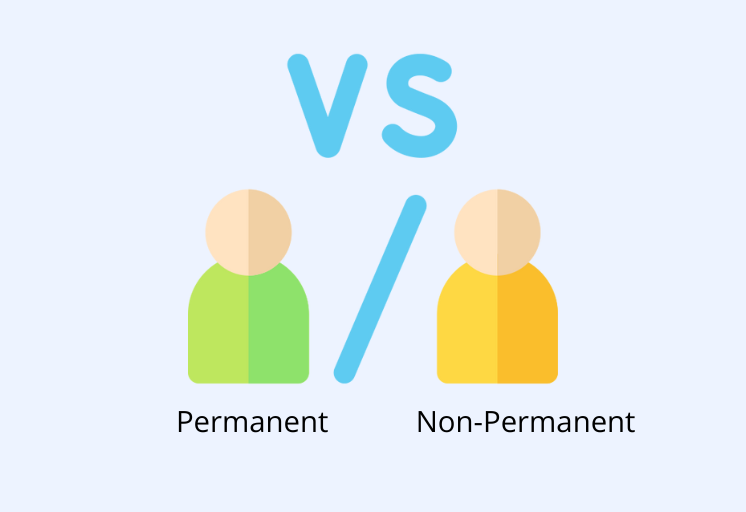
Permanent vs Nonpermanent Residency

Permanent residency and nonpermanent residency are two distinct statuses with different implications for those living in the United States. Permanent residents, also known as green card holders, have the right to live and work anywhere in the U.S., while nonpermanent residents do not.

Permanent residency is granted to certain foreign nationals upon approval of an application for Legal Permanent Residency (LPR). This usually involves a long and complicated process, including background checks and evidence that the individual will not become a public charge.

Nonpermanent residency is granted on a temporary basis to foreign nationals who are here to work or study, those seeking asylum or refugee status, or those who have been granted deferred action status. Nonpermanent residents enjoy many of the same rights and privileges as permanent residents, such as the right to work in the US and receive a Social Security number. However, they do not have the same access to federal benefits or programs that are available to permanent residents.

Mortgage Restrictions For Non-U.S. Citizens

In terms of mortgage approvals, there are a couple of restrictions for all non-U.S. citizens.

  •  If you have full diplomatic immunity, you can’t qualify for a mortgage because you’re not subject to U.S. law.

  • Additionally, anyone applying for a mortgage must have a valid Social Security number.

Credit Considerations

Nonpermanent residents seeking a home loan must take into consideration their credit score, which is a metric lenders use to determine a borrower’s ability to pay back the loan. It is important for non-permanent residents to know that even if they have an acceptable income and other financial documents, their credit score may still affect their chances of getting a loan.

In general, lenders want to see a credit score that is 680 or higher in order to consider you for the loan. It’s also important to note that many banks and lenders require non-permanent residents to have a co-signer with an established credit history when applying for a home loan.

Home Loan Options For Noncitizen US Immigrants

Noncitizen US immigrants who are considering a home loan may find that the process is slightly different than it is for citizens. To start, most lenders will require that noncitizens meet certain criteria in order to qualify for a loan. This includes proof of consistent income over a period of time, valid social security number, as well as bank accounts and other financial documents to prove they are financially responsible. In addition, noncitizens must show proof of employment in the US for at least two years and have an acceptable credit score.

That being said, there are a number of loan options available for immigrants who meet these criteria. Many lenders offer mortgages specifically designed for non-U.S. citizens and immigrants, providing them with the same options available to citizens. These mortgages may come in the form of FHA loans, conventional mortgages, or jumbo loans. Additionally, some banks also offer special loan programs for low-income and first-time homebuyers that are tailored specifically to non-U.S. citizens and immigrants.

Conventional Mortgages

Conventional mortgages are a popular option among nonpermanent residents looking to buy a home. These loans are available through most banks and lenders, though many may require certain criteria be met in order to qualify. For instance, borrowers may need to have a steady income source and an established credit history in order to be eligible for this type of loan. Additionally, conventional mortgages often require a down payment of at least 5%, though it is possible to get a loan with as little as 3% down.

FHA Loans

Another option for non-permanent residents looking to buy a home is an FHA loan. These loans are backed by the Federal Housing Administration and typically have more lenient criteria compared to conventional mortgages. For example, FHA loans often require a down payment of just 3.5%, and can sometimes be available with no credit score or even bankruptcy history. Additionally, borrowers may qualify for an FHA loan even if their income is not steady or consistent.

Jumbo Loans

Finally, non-permanent residents may also be eligible for jumbo loans. These are larger mortgage loans that exceed the maximum loan limits set by the Federal Housing Administration, and often require borrowers to have good credit scores and a large down payment.

Overall, non-U.S. citizens and immigrants who meet certain criteria can qualify for home loans just like citizens. It is important to consider all of your options and research different loan types in order to find the right one for you.

How To Prove Your Assets and Foreign Income

For non-permanent residents looking to apply for a home loan, it is important to prove your assets and foreign income in order to be considered eligible. One of the most important documents you will need to provide is a bank statement that shows your existing assets. This should include any savings or investments you have, as well as any other  assets such as a home in another country. You will also need to provide tax returns and other financial documents that show your foreign income, such as pay stubs or W-2s from a job abroad.


It is also important to provide proof of residence in the United States for at least two years. This can include utility bills, bank statements, or any other financial documents that show you have been living in the US for a significant amount of time.

Finally, non-permanent residents will also need to provide valid forms of identification, such as a passport or green card. This is necessary for the lender to verify your identity and ensure you are eligible for a home loan.

Mortgages For Foreign Nationals

Mortgages for foreign nationals are becoming increasingly popular as more and more people from other countries are looking to buy homes in the U.S. These mortgages can be a great option for those who don’t have a U.S. citizen or permanent resident status, but still want to purchase property in the United States.

When applying for a mortgage as a foreign national, it is important to be aware of all the requirements and eligibility criteria. In order to qualify for a loan, you must prove that you have sufficient income and assets to make monthly payments on your mortgage. You will also need to provide proof of your identity and residence in the U.S., as well as documents that show your foreign income and assets.

Conclusion

Getting a home loan as a non-permanent resident of the United States can be tricky, but it is possible with enough preparation and documentation. It is important to understand the rules and regulations set forth by financial institutions that determine who qualifies and what type of loan you may be eligible for. Your credit score, income, proof of employment and assets will also play a part in obtaining financing. It is best to consult with financial experts and compare different loan programs before committing to one. Additionally, it can be helpful to work with a lender who has experience working with non-permanent residents and foreign nationals. By doing your homework and understanding the details of mortgage loans, you can gain peace of mind knowing that you are on track for homeownership. Good luck in your home loan journey!

Will Foster
How Long Should You Live In A House Before Selling?

How Long Should You Live In A House Before Selling?

If you’re a homeowner and have ever wondered how long one should live in their house before selling it, the decision isn’t that difficult. A few simple variables such as closing costs, capital gains tax and mortgage interests rates can help you decide.

Let’s take a closer look at how long you should live in a house before selling, and what it takes to turn a profit on your real estate investments.

Selling Before 2 Years: Why You Should Wait

As a major financial transaction (and quite possibly one of the largest purchases and sales of an asset that you’ll ever make in your life), it’s important to understand some of the costs and fees associated with selling a home. You’ll want to account for each so as to minimize the chances that you’ll lose money and maximize your odds of turning a profit when you buy and sell your home within certain timeframes.

Build Equity

Building equity in your home is an important part of owning real estate. Equity is the difference between what you owe on your mortgage and the current value of your property. It’s essentially money in the bank that you can access later if you ever need it. For example, if you have a $100,000 house with a $50,000 mortgage and the house is worth $150,000, you have built up $50,000 in equity.

The longer you live in a house, the more opportunities you have to build up your equity. This occurs because your mortgage balance drops with each payment while appreciation makes your home worth more over time. However, this doesn’t mean that you should stay in a house longer than necessary.

The Impact Of Closing Costs And Capital Gains Tax

Closing costs and capital gains tax can significantly reduce your profit when selling a home. Closing costs are the various fees associated with buying or selling real estate, such as title searches, attorney and lender fees, and ​transfer taxes​.

Capital gains tax is a federal tax applied to any money made on the sale of an asset, such as real estate. This tax is calculated at your current income tax rate and can range from 0-53%. Therefore, if you make a profit when selling your house, it’s important to consider how much of that profit will go to the government.

The Impact Of Mortgage Interest Rates

Mortgage interest rates can also impact how long you should live in a house before selling. When rates are low, it makes sense to keep your home and refinance your mortgage, as this could save you thousands in loan interest. On the other hand, when interest rates are high, it might be more beneficial to sell your house and move into a cheaper one with a lower interest rate.

You Can Save On Financing Fees

When it comes to financing fees, there are some ways you can save money. One way to reduce costs is to negotiate a lower interest rate on your mortgage loan. Shopping around for the best rates and fees from multiple lenders is one of the most effective strategies for finding a great deal. Additionally, if you have good credit, you may be able to qualify for lower rates and fees.

You'll Position Yourself To Market Conditions

When it comes to positioning yourself to market conditions, it is important to understand the current state of the housing market and how it will affect your decision on when to sell your home. By researching current trends, you can make an informed decision that takes into account both short-term and long-term market conditions. For instance, if the housing market is currently in a buyer’s market, you should consider holding onto your home for longer, as prices may go up over time. On the other hand, if it’s a seller’s market, it may be wise to sell sooner rather than later so that you can capitalize on higher prices.

The Impact Of Market Conditions On Your Strategy

When it comes to home-selling, it’s important to understand the current market conditions and how they will potentially impact your strategy. For example, if you plan on selling during a buyer’s market, you may have to list your home for less than what you think it is worth in order to attract buyers. However, if the market is a seller’s market, you may be able to list your home for more than what it is worth and get multiple offers.

It’s also important to research the area where you plan on selling. Look at the median sale prices of homes in the area and compare them to your own home. This can give you an indication of what potential buyers may be willing to pay. Additionally, research the local economy and housing trends so that you can make an informed decision on when it is best to list your home for sale.

By researching market conditions and understanding how they will potentially impact your strategy, you can position yourself for success in the home-selling process. This can help you make an informed decision on when to list your home and maximize your chances of making a profit.

Conclusion

Overall, there are many factors to consider when deciding when to sell a home, such as closing costs and taxes, mortgage interest rates, and market conditions. Be sure to take the time to analyze all of these elements before making a decision so that you can maximize your chances of making a profit. Closing costs and capital gains tax can significantly reduce profits from the sale of your home, while mortgage interest rates can also have an impact on whether it's better to stay or go. At the end of the day, the decision should be based on the individual circumstances and financial objectives of the homeowner.

It’s important to consult a real estate agent, tax specialist or financial advisor before making any decisions about selling your house. They can help you analyze your situation and determine the best course of action for your specific situation. With their help, you’ll be able to make an informed decision about how long to live in a house before selling. Good luck!

Will Foster